


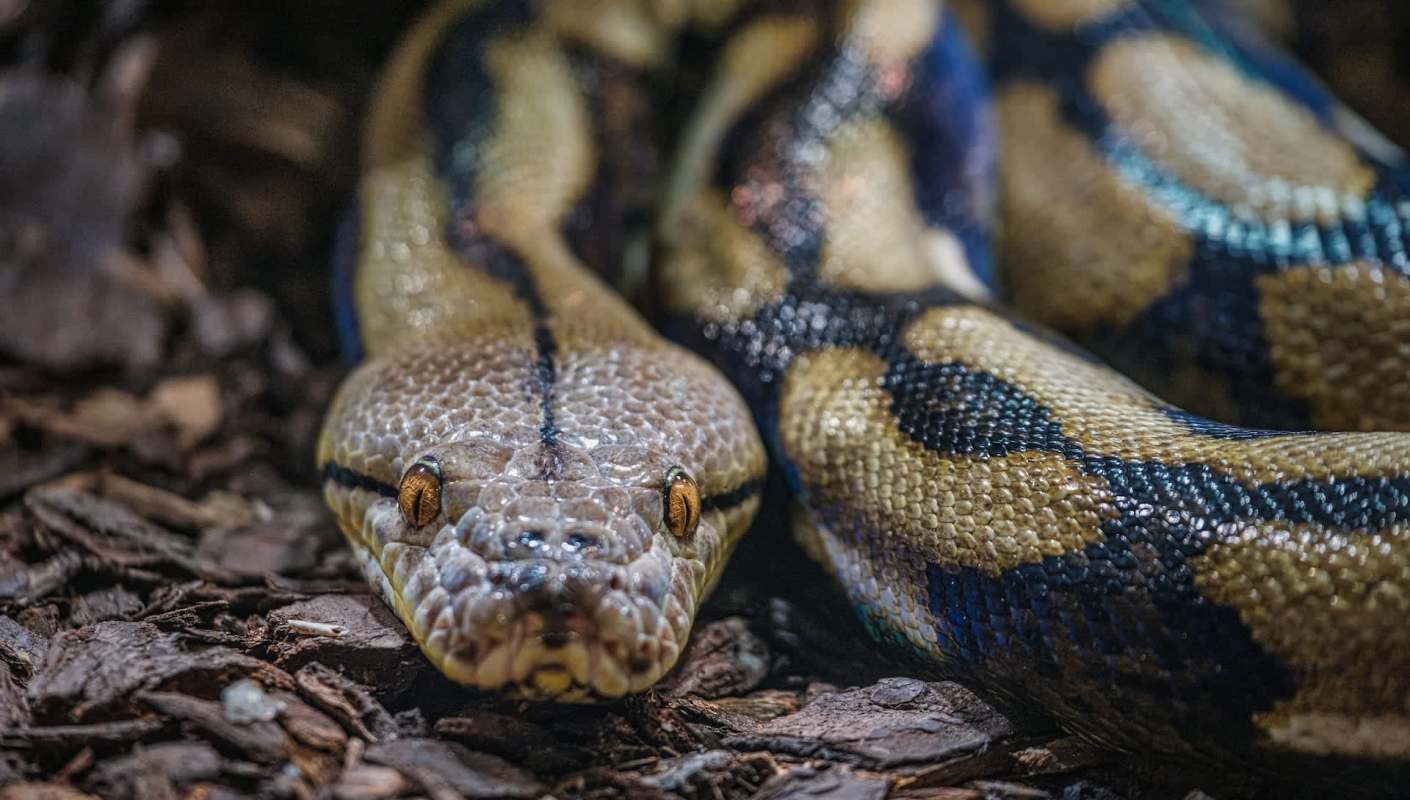
Two arrests in Delareyville, South Africa, followed a tip that a live Southern African python was being sold on social media for R5,000.
The case, reported by The Citizen, shows how protected wildlife can be treated like an everyday product online, a trend that puts animals at risk and pulls police resources away from other work.
Here's what to know
An intelligence-led investigation in Delareyville began after police got a social media tip about a wildlife sale. The inquiry led officers to the alleged seller and then to two suspects in town, where the live python was recovered from a blue bag.
Police spokesperson Colonel Anne Magakoe said the operation "resulted in the arrest of two suspects and the recovery of a live Southern African Python in Delareyville," per The Citizen.
Authorities arrested both men on allegations that they possessed a protected wild animal without the permits required under section 57(1) of South Africa's National Environmental Management: Biodiversity Act of 2004. They also faced an allegation tied to carrying out a restricted activity without authorization.
Magakoe said the pair briefly appeared before the Delareyville Magistrate's Court on Aug. 31, were released on warning, and still have the matter pending before the court.
TCD Picks » Quince Spotlight
💡These best-sellers from Quince deliver affordable, sustainable luxury for all




More background
Investigators said the alleged sale involved a protected python advertised on a private social media platform with a set asking price.
When protected animals are captured, transported, and sold outside the law, species are pulled out of local ecosystems, and communities can be exposed to unsafe animal handling and trafficking networks.
Snakes such as pythons play an important role in keeping ecosystems balanced, including by helping regulate prey populations. Drawing them into illicit trade can weaken those natural systems over time.
Conservation laws like the one cited in this case are meant to keep species like the Southern African python from being taken out of the wild for profit.
What's being done?
Officials said the case was addressed through coordination among multiple agencies. Magakoe said the joint investigation included "the Sannieshof Stock Theft and Endangered Species Unit (STESU), the North West Department of Economic Development, Environment, Conservation and Tourism (DEDECT), and the Wildlife Crime Information Network (WCIN)."
This case moved from an online listing to a physical handoff in town, which is why it took police, environmental officials, and an intelligence-sharing group working together to make the arrests.
North West Provincial Commissioner Lieutenant General Arthur Adams said his department will keep working with other agencies on wildlife crime and asked residents to speak up if they see something, The Citizen reported.
"Members of the community are encouraged to report suspicious activities involving the illegal possession, transportation, or sale of protected wildlife to the police," Adams said.
Where can I learn more?
These stories look at similar wildlife trafficking cases involving online sales and enforcement action. They cover illegal animal and animal part sales and the wider global trade.
• In Mexico, conservationists found illegal jaguar parts sales on social media rather than hidden markets.
• Along the U.S.-Mexico border, traffickers used U.S. social media platforms to sell spider monkeys.
• In Vermont and Quebec, authorities tracked smuggled protected turtles across the border for profit.
• Investigators are pursuing wildlife traffickers across the globe to disrupt the shark fin trade.
• In Nigeria, investigators uncovered a brutal black market targeting gorilla body parts.

Get TCD's free newsletters for easy tips, smart advice, and a chance to earn $5,000 toward home upgrades. To see more stories like this one, change your Google preferences here.







