


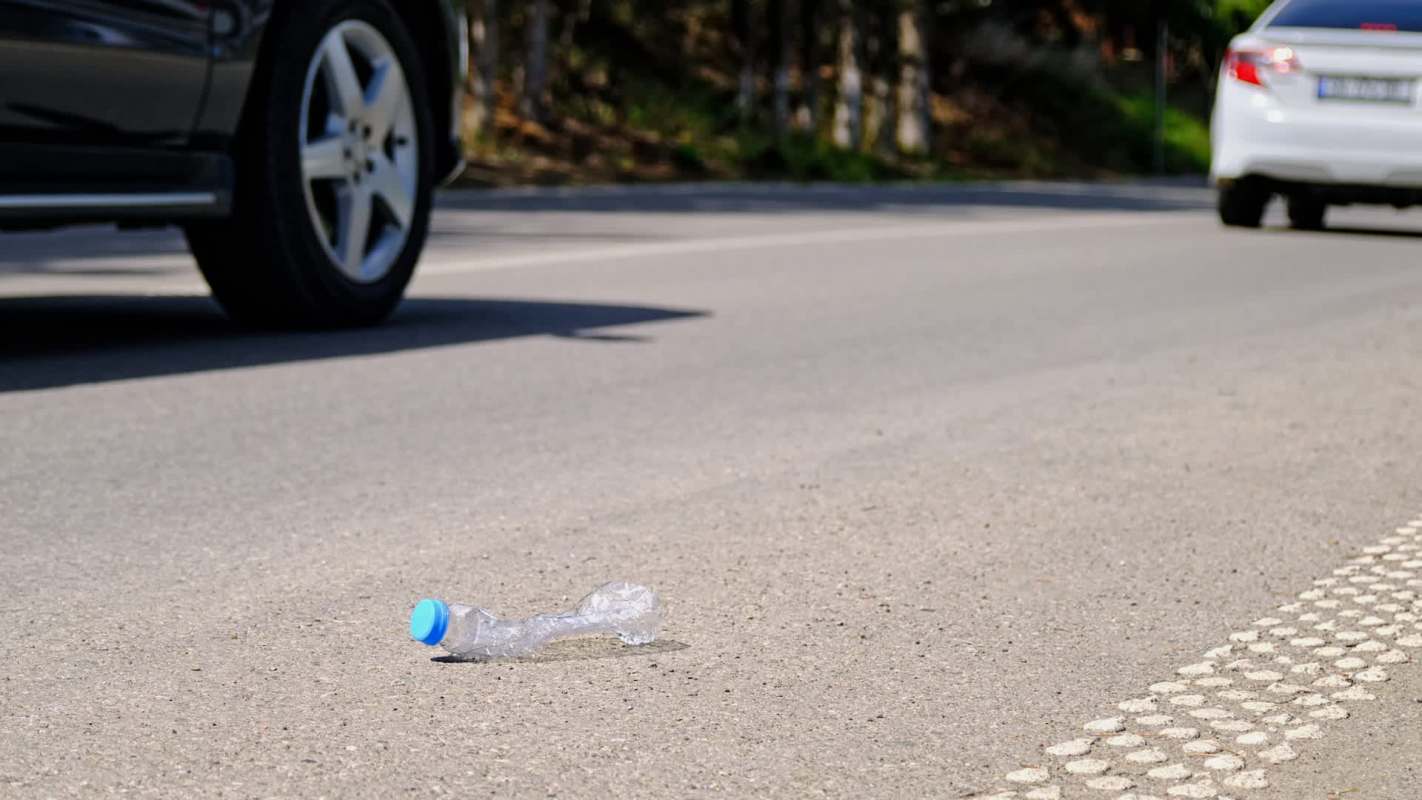
America's roads and waterways are somewhat cleaner than they were a few years ago, but research has suggested there is still significant work to be done.
According to the New York Post, a national study found litter in the United States has fallen sharply since 2020, suggesting that cleanup campaigns and local action are making a real difference, even if the country still has a long way to go.
Findings from Keep America Beautiful's 2026 National Litter Study show that litter along U.S. roads and waterways has fallen 34% since 2020.
That is a notable improvement, but the study also estimated that roughly 35 billion pieces of trash still lie scattered nationwide. In other words, progress is happening, but the scale of the problem remains massive.
One of the biggest findings was that cigarette butts remain America's most commonly littered item, but the amount littered has decreased by 62% since 2020. At the same time, some categories moved in the wrong direction: litter from tires and vehicle scraps increased 36%, while cardboard litter rose 50%.
Keep America Beautiful CEO Jennifer Lawson summed up the mixed picture to the New York Post.
TCD Picks » Quince Spotlight
💡These best-sellers from Quince deliver affordable, sustainable luxury for all




"The declines show us what's possible when communities act with urgency and commitment," Lawson said. "But our work is far from done."
Cleaner streets, parks, and waterways do more than improve appearances. Less litter can mean healthier public spaces, safer neighborhoods, and fewer trash items washing into storm drains, rivers, and habitats where they can harm wildlife.
Overflowing garbage cans, loose packaging, and tossed cigarette butts can make sidewalks harder to navigate, create unpleasant smells, serve as breeding grounds for disease-carrying pests, and add to the cleanup burden for cities, businesses, and residents. When neighborhoods stay cleaner, communities often feel more welcoming and cared for.
The study also found that 92% of Americans said the country should prioritize cleaning up litter. It's rare when the vast majority of people agree that more should be done about an issue.
Local groups are already proving that neighborhood-level action works. In New York City, nonprofit Litter Legion said it has seen less litter over time in Hell's Kitchen. The New York Post reported that the group collected 3,097 pounds of trash in 2021 and 2,266 pounds in 2025, while holding the same number of cleanup events in both years.
However, advocates have said the issue ultimately comes down to broader shifts in behavior and social norms.
"There's no way to clean ourselves out of the litter issue," Litter Legion founder Catie Savage said.
While cleanup events can help reduce the problem, advocates have said the real solution is preventing litter in the first place.
If you're looking to clean up frustrating litter in your area, joining a local cleanup group, carrying a small trash bag on walks, or talking with neighbors about recurring problem spots can help.
For people wondering where to start, Savage offered a direct reminder: "Grab a pair of gloves and a plastic bag and just go out and pick up trash."

Get TCD's free newsletters for easy tips, smart advice, and a chance to earn $5,000 toward home upgrades. To see more stories like this one, change your Google preferences here.







