


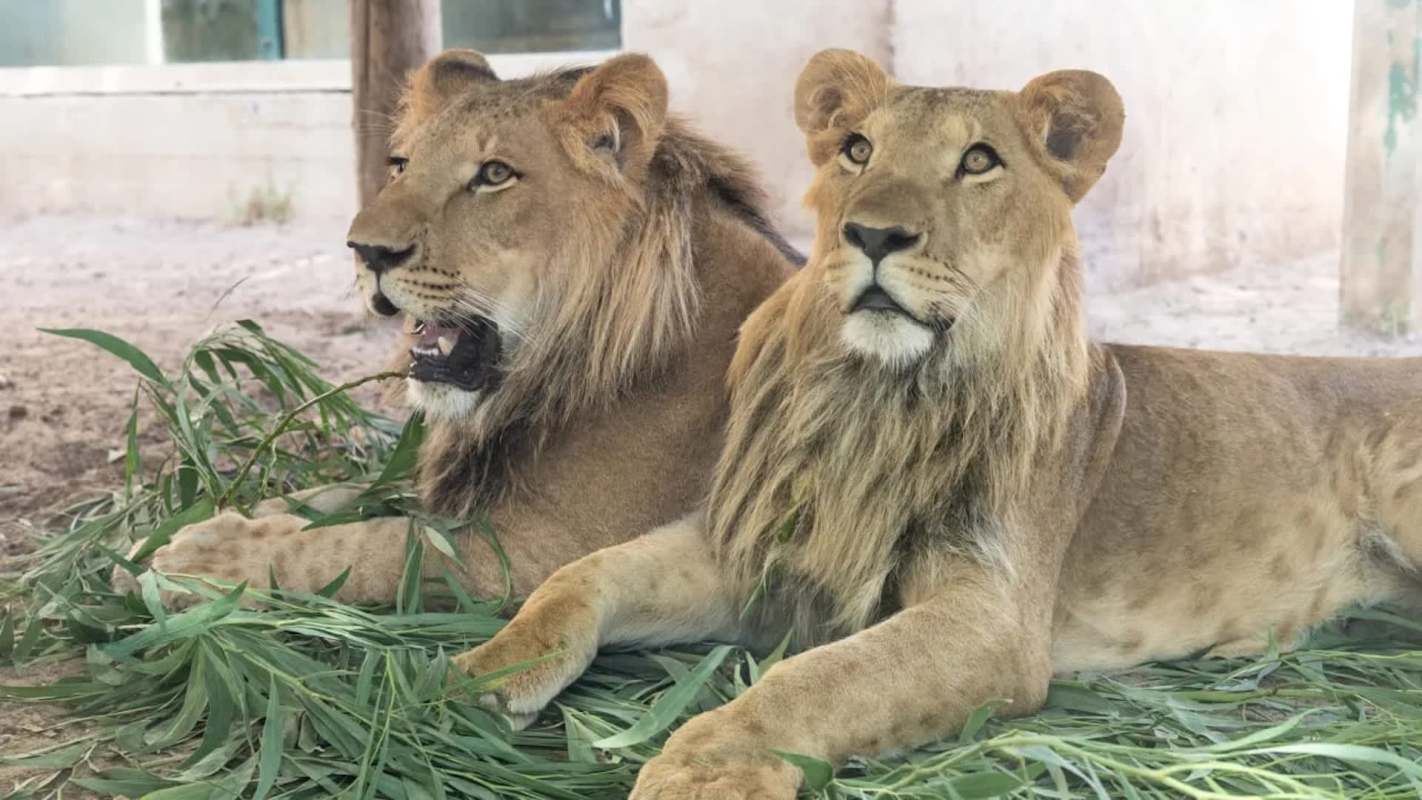
Two lion cubs that survived illegal trafficking into Israel have begun a new chapter in South Africa, where they were released into a big-cat sanctuary after an international rescue effort.
The case reflects the broader toll wildlife trafficking takes on animals, communities, and the authorities working to stop organized environmental crime.
What happened?
After a roughly 30-hour trip that included a stop in Germany, Ben Tzur and Uri arrived at an Animal Defenders International sanctuary in South Africa, The Jerusalem Post reported. They were then released into an enclosure intended for their long-term care.
Their rescue was part of a wider 2025 case involving six lion cubs that were trafficked into Israel and later found in Palestinian Authority-administered areas.
Uri, the youngest, was found by Kafr Qassem police in poor condition, while Ben Tzur had been located tied to a tree, the Israel Nature and Parks Authority said.
Both cubs were then moved to Hai Park in Kiryat Motzkin as a temporary home before the transfer.
TCD Picks » Quince Spotlight
💡These best-sellers from Quince deliver affordable, sustainable luxury for all




The agency said its cooperation with Animal Defenders International helped secure a more appropriate home for the lions.
Why does it matter?
It points to a criminal market that harms animals, generates profits for organized networks, and puts added pressure on law enforcement, rescue centers, and public institutions.
Ben Rosenberg, who heads the Wildlife Protection Division at the Israel Nature and Parks Authority, said, "The captured lion cubs have indeed captured public attention due to their unusualness, but they are only the tip of the iceberg of the disturbing criminal phenomenon."
Rosenberg added, "In 2025 alone, more than 560 wild animals were captured that were illegally traded, and some of them were illegally smuggled, among them many reptiles, monkeys, birds, marine wildlife and more."
When protected animals are bought and sold illegally, communities can face public safety risks, increased criminal activity, and the financial burden of rescue, veterinary care, and enforcement.
Cracking down on wildlife trafficking protects both biodiversity and the rule of law.
What's being done?
The immediate priority was moving the lions to a safer, more suitable home. The Israel Nature and Parks Authority said the South African sanctuary can provide the kind of environment Ben Tzur and Uri need after surviving trafficking and neglect.
Officials say the response must go beyond rescuing individual animals.
Shai Peretz, the Israel Nature and Parks Authority's chief prosecutor, referred to wildlife trafficking as a "cruel criminal phenomenon" and said enforcement should focus on the larger business behind it.
Peretz said illegal trade in protected wildlife "constitutes an economic engine for criminal elements, including criminal organizations and crime families, who derive enormous profits from this depraved trade."
She pointed to the Money Laundering Prohibition Law and related wildlife protections as tools that can help authorities disrupt the finances supporting the trade.
Peretz added, "This is a real change in the perception of the fight against environmental crime."

Get TCD's free newsletters for easy tips, smart advice, and a chance to earn $5,000 toward home upgrades. To see more stories like this one, change your Google preferences here.







