


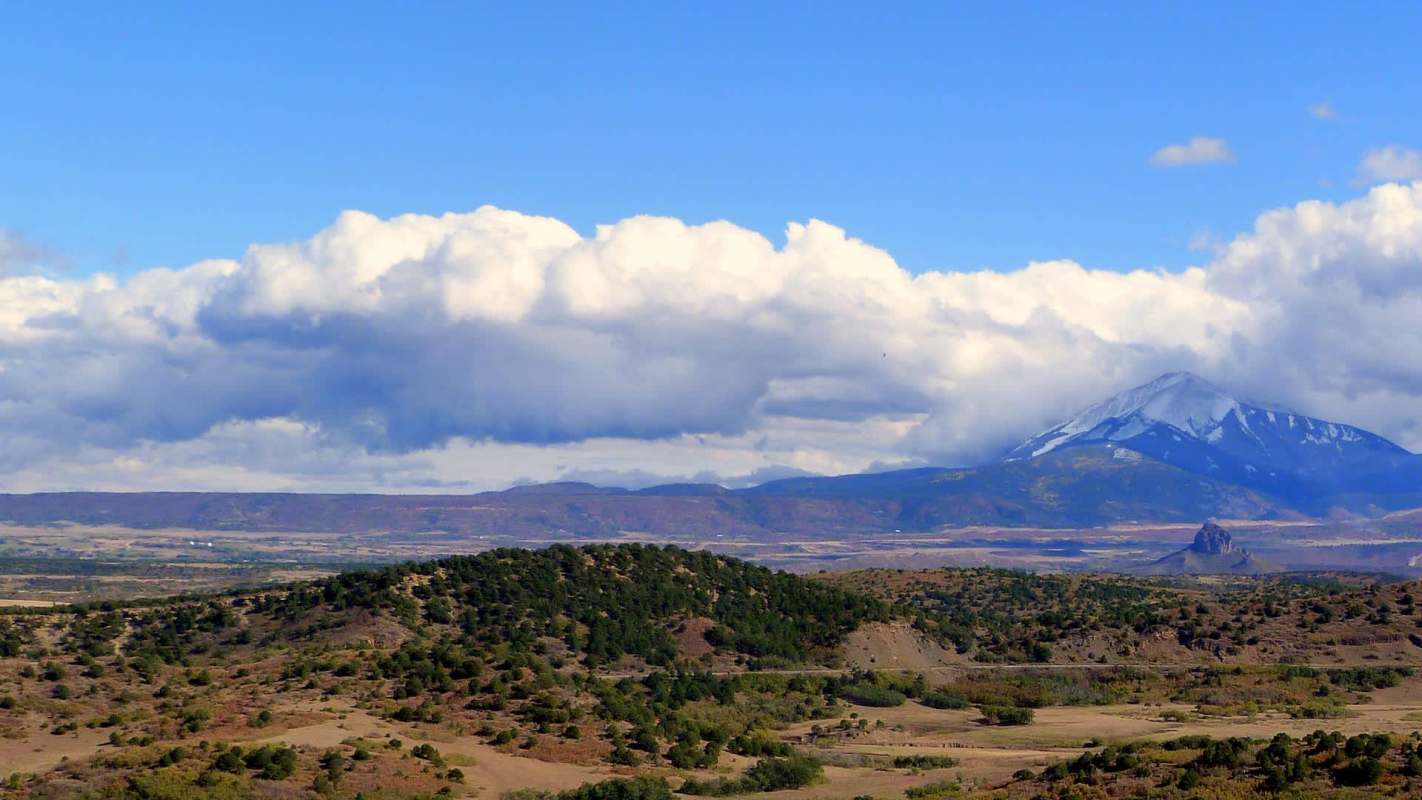
La Veta, Colorado, is confronting a growing fear: running out of water after its local river dried up.
Here's what to know
According to The Denver Gazette, the small town's water troubles came into focus when the Cucharas River went dry.
In Huerfano County, where La Veta has about 850 residents, drought conditions have worsened into the extreme-to-exceptional range. This is the county's second-most severe drought year in 132 years, and neighboring counties — especially those west in the San Luis Valley — are seeing similar conditions.
After tightening restrictions, La Veta moved to stage four rules, which ban all outdoor water use.
La Veta Mayor Doug Brgoch said, "We're getting by. It's not great."
On the edge of town, the Wahatoya and Daigre reservoirs have been drawn down nearly to the bottom to serve downstream users, leaving cracked lakebeds and stranded, dying crawfish behind. Elsewhere across the area, wells are going dry, and creek beds have turned dusty.
TCD Picks » Quince Spotlight
💡These best-sellers from Quince deliver affordable, sustainable luxury for all




More background
For a town relying on limited water supplies, the situation raises urgent questions about drinking water, sanitation, firefighting capacity, and how long normal daily life can continue without serious disruption.
Worsening extreme weather is placing growing strain on the systems communities depend on most. When drought intensifies, it can threaten public health through reduced water access and increased dust exposure, community safety through elevated wildfire risk and weaker emergency response, and local economies through losses tied to farming, ranching, recreation, and small businesses.
Dry reservoirs and shrinking streams can harm fish and other wildlife, while parched soils and disappearing surface water can make it harder for rural households that rely on wells to get through the season. In small communities, even a water shortfall lasting a few months can quickly spiral into a larger crisis.
What's being done?
Brgoch told the Gazette that, with current water use, he believes the town can make it through the winter until spring runoff is expected to rise.
"The problem with telling people that there's 150 days of water left is that they'll think tomorrow there's 149 days left, and so on, and it doesn't really work that way," he said.
If that estimate proves too optimistic, Brgoch said that La Veta losing its water supply would be an "incomprehensible" situation.
Where can I learn more?
Increasing drought levels are squeezing water supplies, farms, and rural communities. These articles look at how shortages are unfolding in other Colorado mountain towns, overseas, and in farming regions hit by sudden dry spells.
• Across Colorado, officials are shifting emergency water as mountain towns and ranches near their limits.
• In Spain, drought has left tap water in short supply and residents relying on bottles.
• Across major farming regions, flash droughts pose unprecedented risk as heat rapidly drains soil moisture.

Get TCD's free newsletters for easy tips, smart advice, and a chance to earn $5,000 toward home upgrades. To see more stories like this one, change your Google preferences here.







