A storm chaser was walking through a Mississippi trailer park when he heard a tiny sound cut through the wreckage left behind by a slew of recent tornadoes.
Ashton Lemly told the Associated Press that he could hear faint meowing and had no idea where the kitten could possibly be. But he was determined to find it.
What happened?
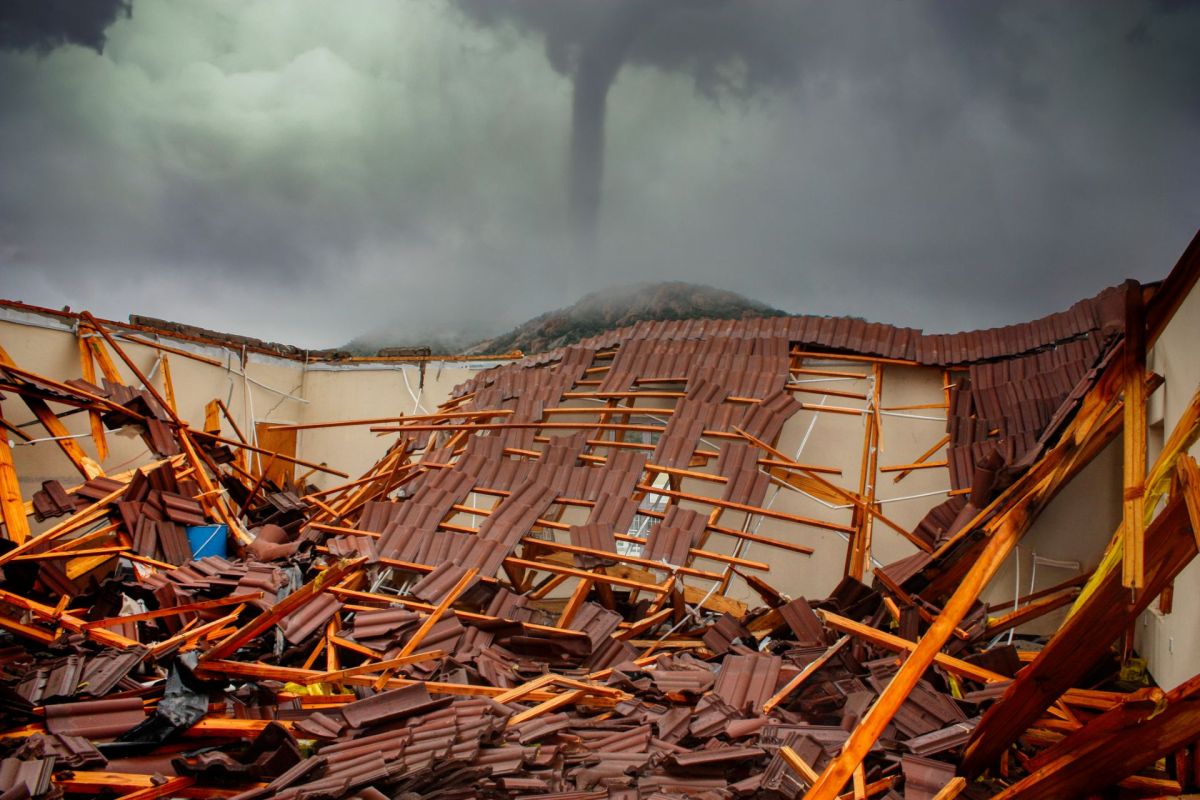
Lemly had been looking around the trailer park in Bogue Chitto when he heard the meowing, and suddenly it stopped. He told the Associated Press that he panicked, but it eventually picked up again, and he began digging through the remains of a flattened wall until he found a little kitten.
"Oh my goodness, I found him!" Lemly says in a video he recorded during the search. "Are you OK? Come here – it's OK. … We'll get you cleaned up, baby. Don't you worry."
Lemly then took the kitten to a commander with the United Cajun Navy, who dried the cat and removed it from the unsafe environment.
Why does it matter?
For many families, pets are part of the household, and disasters threaten not only homes and infrastructure but also put animals at risk. Tornadoes can separate pets from their owners in seconds, trapping them under debris or sending them into dangerous conditions, according to the American Society for the Prevention of Cruelty to Animals.
TCD Picks » Quince Spotlight
💡These best-sellers from Quince deliver affordable, sustainable luxury for all




A faint cry, bark, or scratch can mean the difference between life and death.
Severe weather can leave hidden dangers behind for days. Even after the skies clear, damaged buildings, unstable materials, and disrupted utilities create hazardous conditions for people searching for loved ones and pets.
A storm plan that overlooks pets can make an already traumatic event even harder.
What's being done?
In the immediate aftermath of tornadoes, rescue efforts often expand beyond human survival to include pet recovery, veterinary care, temporary sheltering, and reunification.
Animal welfare groups, local shelters, and volunteers frequently step in to care for displaced pets while families sort through the damage, the ASPCA reported.
For individual households, one of the most effective steps is to build a pet emergency kit before storm season. That can include food, water, medications, vaccination records, a leash or carrier, and a comfort item. Updated ID tags and microchip information can also make reunification much easier if a pet becomes separated.
It is also helpful to identify the safest place in the home for both people and animals before a warning is issued. Keeping carriers accessible and practicing how to move quickly into shelter can save crucial time.
After a storm, experts generally advise people to move carefully through damaged areas and listen closely.

Get TCD's free newsletters for easy tips, smart advice, and a chance to earn $5,000 toward home upgrades. To see more stories like this one, change your Google preferences here.