


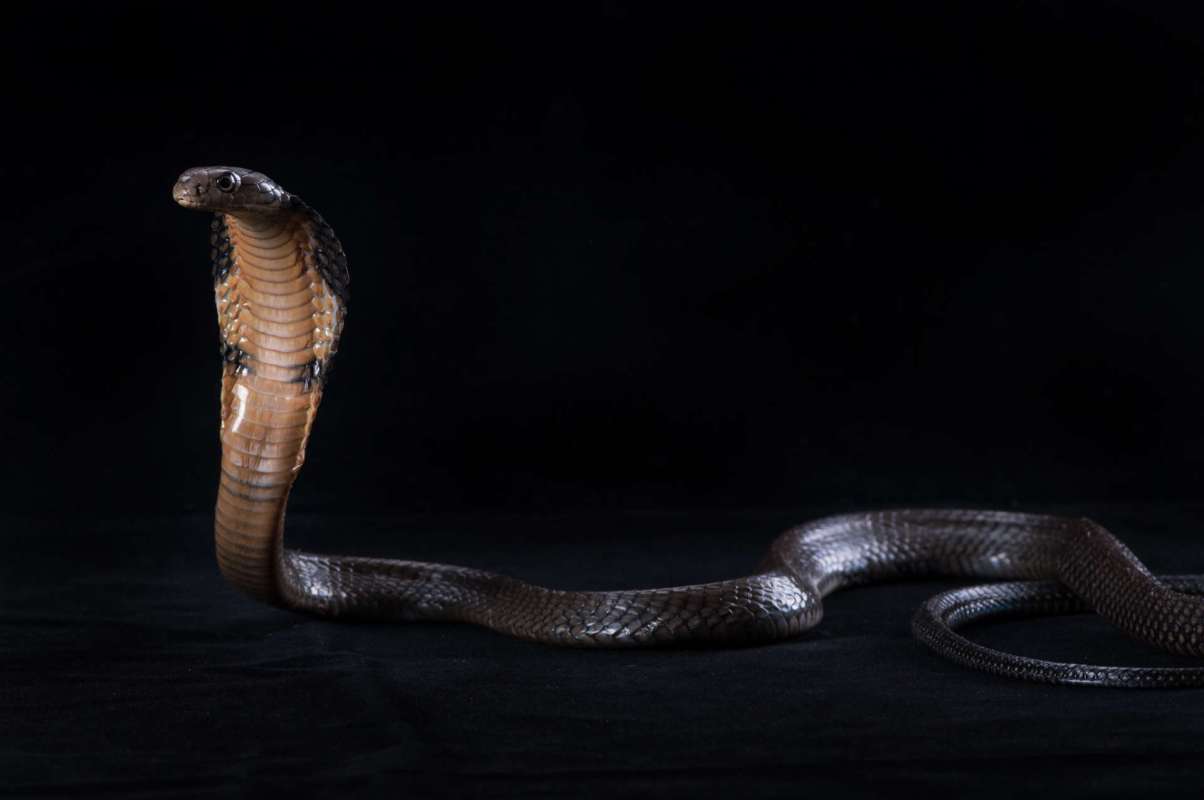
King cobras are turning up in living spaces in West Bali, including under beds.
Across Tabanan Regency, 18 king cobras have been removed from homes and other residential settings, with the largest measuring 15.4 feet (4.7 meters).
Here's what to know
Asih Tabanan Reptile Foundation carried out the rescues across Tabanan Regency, as Bali Discovery reported, citing NusaBali.
According to foundation chairperson Ni Putu Astridayanti, Sept. 29 falls in the stretch of the year when king cobra encounters usually rise. More sightings are typically recorded from September through December as the snakes search for mates and nesting areas.
Astridayanti said that pattern can extend into January as hatching begins. She also noted that king cobra mating season usually lasts from July to September, a period that drives more movement across the region.
She said the appearance of king cobras in houses should not automatically be blamed on food left around by residents. Because the snakes prey on reptiles, including other snakes, they may be following that prey into populated areas.
TCD Picks » Quince Spotlight
💡These best-sellers from Quince deliver affordable, sustainable luxury for all




More background
NusaBali said reports have come from multiple parts of the regency, including the districts of Tabanan, Marga, Penebel, Baturiti, Kerambitan, and East and West Selemadeg.
Reports place the snakes in residential spots, ranging from private yards and front entrances to bedrooms, where some were discovered beneath beds.
Rescuers faced one of their toughest jobs in Banjar Sekartaji, Sesandan Village, where a king cobra became lodged in a storm drain near the home of Tabanan Regional Secretary I Gede Susila, making for a lengthy extraction.
Why Tabanan sees so many cobras isn't fully understood, though human activity may play a role. One explanation ties back to how the area has handled rescued snakes in the past: Releasing them into nearby forests over the years may have built up a larger population there than elsewhere on the island.
What's being done?
The foundation's teams have continued responding to king cobras found in houses and surrounding neighborhoods throughout Tabanan Regency.
During the Sesandan Village incident, the snake's position inside a tight culvert made the job especially hard, so the foundation brought in local firefighters to get the cobra out of the drainage channel safely.
Astridayanti has also cautioned against handling a cobra alone, since cornering, grabbing, or chasing it can provoke the snake to strike in self-defense. She advises residents to stay calm and report a sighting to the foundation instead. Trained wildlife rescuers and emergency crews, not residents, have carried out the removals.
Astridayanti said in comments reported by NusaBali: "So far, most captures have taken place in residential areas. Some have been found in bedrooms, under beds, at the front of the house, and in the yard."
Where can I learn more?
Elsewhere, similar encounters have brought large or venomous snakes into neighborhoods, schools, and homes. Related stories also cover warnings about snakes entering settlements.
• In Odisha, rescuers returned a 12-foot king cobra to the forest after panic near a bank.
• At an Odisha school, a 15-foot king cobra reared up before being safely removed.
• In Kota, cobras turned up in two homes, deepening alarm over indoor snake encounters.
• In Telangana, an Indian cobra inside grandparents' house was bagged and relocated by a snake catcher.
• In Dhaka, experts warned that venomous snakes are increasingly entering settlements as urbanization squeezes wildlife habitat.

Get TCD's free newsletters for easy tips, smart advice, and a chance to earn $5,000 toward home upgrades. To see more stories like this one, change your Google preferences here.







