


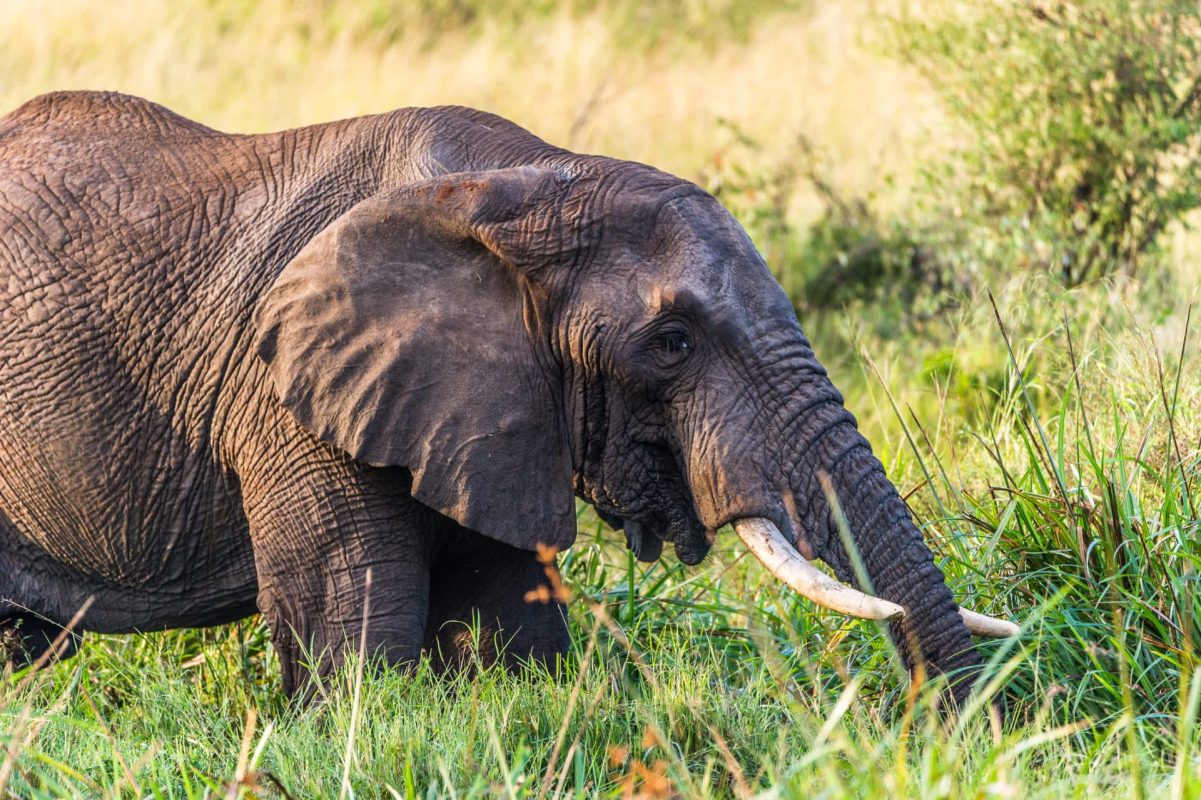
A wildlife rescue video out of Kenya is giving viewers a rare look at what it takes to help a massive bull elephant in obvious pain.
In the widely shared Instagram reel, veterinarians locate a limping bull elephant, sedate him in the field, and identify the injury that had left him struggling to move.
What happened?
The video, posted by the Kenya-based Sheldrick Wildlife Trust, shows a helicopter rescue to help save the wounded elephant.
The clip shows the trust's aerial team coordinating with a mobile vet unit, which operates in partnership with the Kenya Wildlife Service.
In the caption, the trust added that it does not know what caused the injury, writing: "We're not sure how this bull elephant came to be injured — some root causes always remain a mystery — but whatever he trod on left him in deep pain and struggling to move."
In the video, Dr Lawi, the veterinarian narrating the treatment, says, "Today we've spotted an injured elephant, he's limping on his front right leg, so we're gonna check, gonna immobilize and see what is happening."
TCD Picks » Quince Spotlight
💡These best-sellers from Quince deliver affordable, sustainable luxury for all




The team uses a dart gun from the helicopter with sedatives to knock out the massive animal. After the elephant goes down, the teams find the root of the injury, clear signs of infection in its foot, before draining out the pus.
"He's in flipping pain when you grab, when you press the bottom of his foot there," Lawi says. Moments later, he adds, "That's why it was that painful. That's a unique injury, right?"
The Sheldrick Wildlife Trust concluded that the operation got him "stepping strong again."
Why does it matter?
In this case, one painful step on an unknown object appears to have been enough to significantly affect the elephant's mobility, a serious problem for an animal that depends on constant movement to find food, water, and safety.
The footage shows a less visible side of conservation: rapid medical intervention. Aerial spotting, immobilization, diagnosis, and treatment must all occur quickly and carefully, especially when a large wild animal is under stress.
The trust indicated this kind of response is routine, adding: "These scenes play out every day across the country, saving wild lives and helping animals in need."

Get TCD's free newsletters for easy tips, smart advice, and a chance to earn $5,000 toward home upgrades. To see more stories like this one, change your Google preferences here.







