


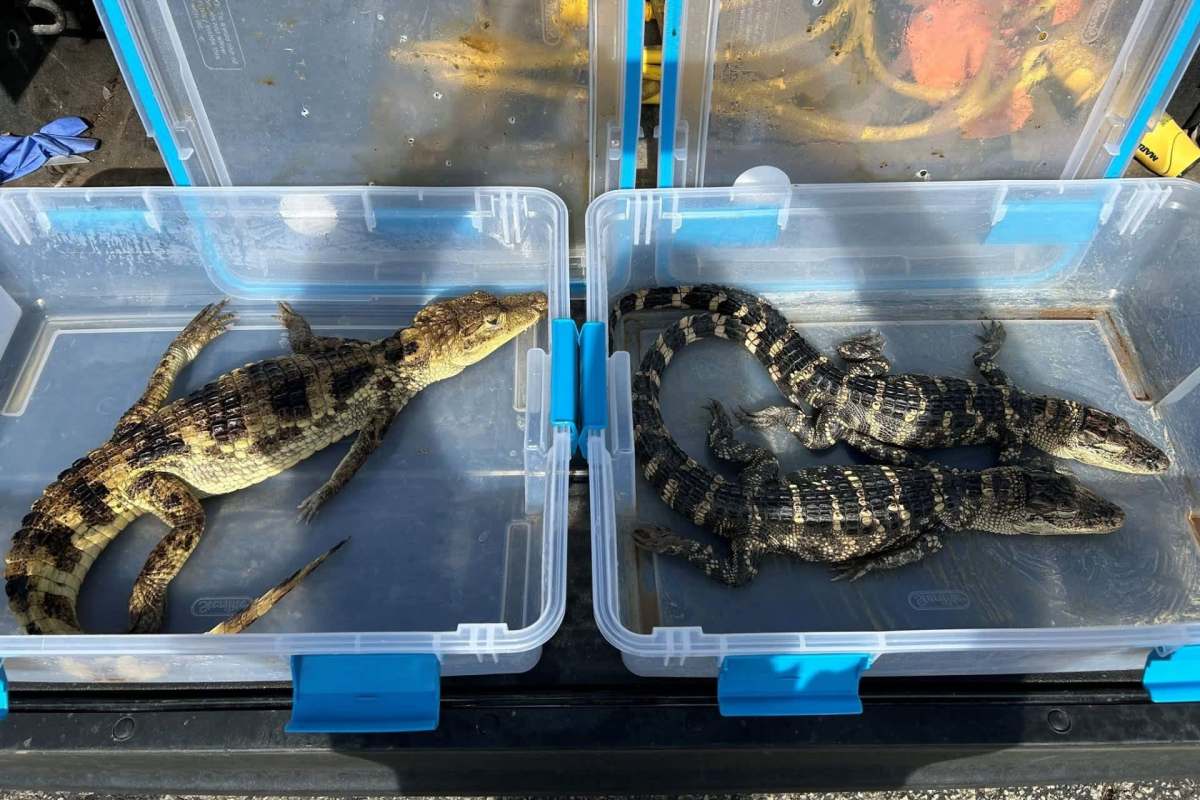
A wildlife call in Kentucky took an unexpected turn when Kentucky Fish and Wildlife officers responding to a tip from local police found two alligators and a caiman in the basement.
The incident occurred in a Mount Washington home in Bullitt County, leading to criminal charges against the property owner, according to WNKY.
What happened?
Police arrested the homeowner, who now faces three criminal counts alleging the unauthorized possession and breeding of protected wildlife. Officials released no other information about the person or the surrounding circumstances.
While alligators are native to parts of the southeastern United States, they are not animals anyone would expect to find in a Kentucky basement.
Caimans, which are closely related to crocodiles and alligators, are also wild animals with specialized care needs that make them poorly suited to private homes.
The case involved the keeping and breeding of exotic wildlife outside natural habitats and legal channels. Rather than a chance encounter with a wild animal, this appears to have been a situation created by people taking wildlife from its natural habitat to be used as pets.
TCD Picks » Quince Spotlight
💡These best-sellers from Quince deliver affordable, sustainable luxury for all




Just as concerning, bringing powerful reptiles into a residential setting puts everyone in the area at risk.
Why does it matter?
Cases like this raise concerns about both public safety and animal welfare.
Large reptiles can seriously injure people, especially if they are stressed, improperly contained, or handled without training. If they escape, they can also put neighbors, pets, and first responders at risk.
There is also the question of what life looks like for wild animals kept in confined indoor spaces. Basements are not natural ecosystems, and crocodilians require carefully managed heat, water, space, and nutrition. When those needs are not met, the animals can suffer physically and behaviorally.
Many dangerous wildlife encounters are tied to human activity, whether through habitat disruption, feeding wild animals, or placing them in unnatural environments. BBC Future has put together a good resource explaining the interaction.
What's being done?
Authorities stepped in, and the criminal charges reflect wildlife laws meant to prevent this kind of high-risk scenario. Restrictions on possessing and breeding protected species are designed to protect the public while also preventing wild animals from being treated like household pets.
This case is a reminder that unusual wildlife incidents are not always about animals showing up where they do not belong, but can also be about people putting them in those situations.
Enforcing wildlife laws can help protect both communities and the animals caught in the middle.

Get TCD's free newsletters for easy tips, smart advice, and a chance to earn $5,000 toward home upgrades. To see more stories like this one, change your Google preferences here.







