


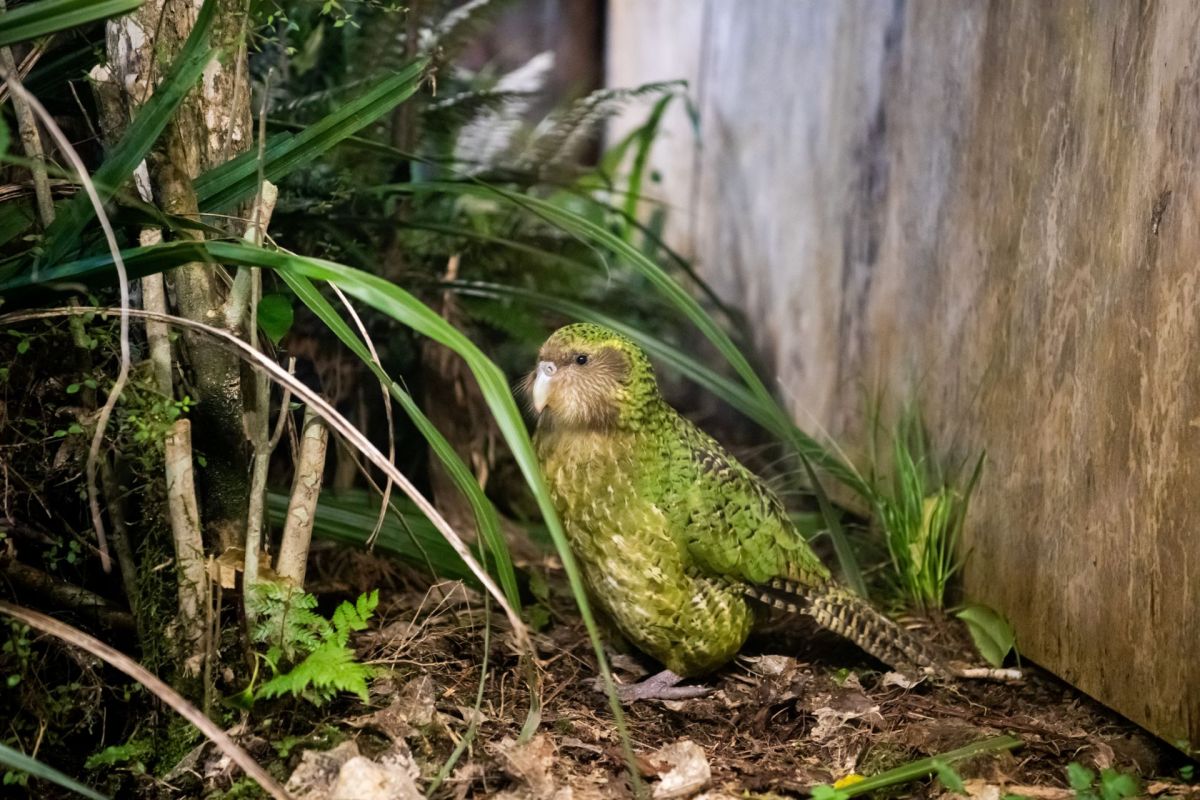
One of the world's most unusual birds is having a moment online. National Geographic's recent Instagram carousel turned the spotlight on the kākāpō, a chunky parrot that cannot fly and is famous for its sweet smell, as the species moves into a hopeful but still delicate phase of recovery.
What happened?
In its caption, National Geographic says the kākāpō in New Zealand "has made an extraordinary comeback in recent decades." The post centers on that comeback as chicks arrive during the current breeding season and describes the bird as "Chunky, flightless, sweet-smelling, and once perilously close to extinction."
The post also says New Zealand conservationists are now "stepping back from one of the world's most intensively managed birds." That shift raises the question of whether the species can eventually survive with less human intervention.
Close-up portraits in the carousel, credited to the New Zealand Department of Conservation, offer viewers a detailed look at the mossy-green parrots. The caption presents this as a turning point, with a new generation of chicks arriving even as the next challenge becomes helping the species reclaim some independence.
Why does it matter?
The kākāpō's recovery shows that extinction is not always a one-way road. When governments, scientists, and conservation teams commit to sustained recovery work, even species that come dangerously close to disappearing can rebound.
It also points to a harder truth: Saving a species is one thing, but helping it thrive without constant emergency-level management is another. The post asks whether the kākāpō can "regain its independence and fend for itself." The goal is not just to keep animals alive, but to restore ecosystems that can function on their own.
TCD Picks » Quince Spotlight
💡These best-sellers from Quince deliver affordable, sustainable luxury for all




The tools, monitoring systems, and habitat decisions used in recoveries like this can help guide communities in protecting other vulnerable species before they reach a crisis point. Successful conservation can preserve biodiversity, strengthen natural systems, and offer a model for a more stable future for both people and wildlife.
What are people saying?
People loved to hear the good news about the kākāpō.
One person commented, "The way these beautiful birds have fought their way back from the brink of extinction is nothing short of a miracle. Hats off to all the conservationists working behind the scenes!"
Another wrote, "Hope these parrots continue to thrive."
And one person said what many of us were thinking: "Imma need you to elaborate on 'sweet-smelling.'"

Get TCD's free newsletters for easy tips, smart advice, and a chance to earn $5,000 toward home upgrades. To see more stories like this one, change your Google preferences here.







