


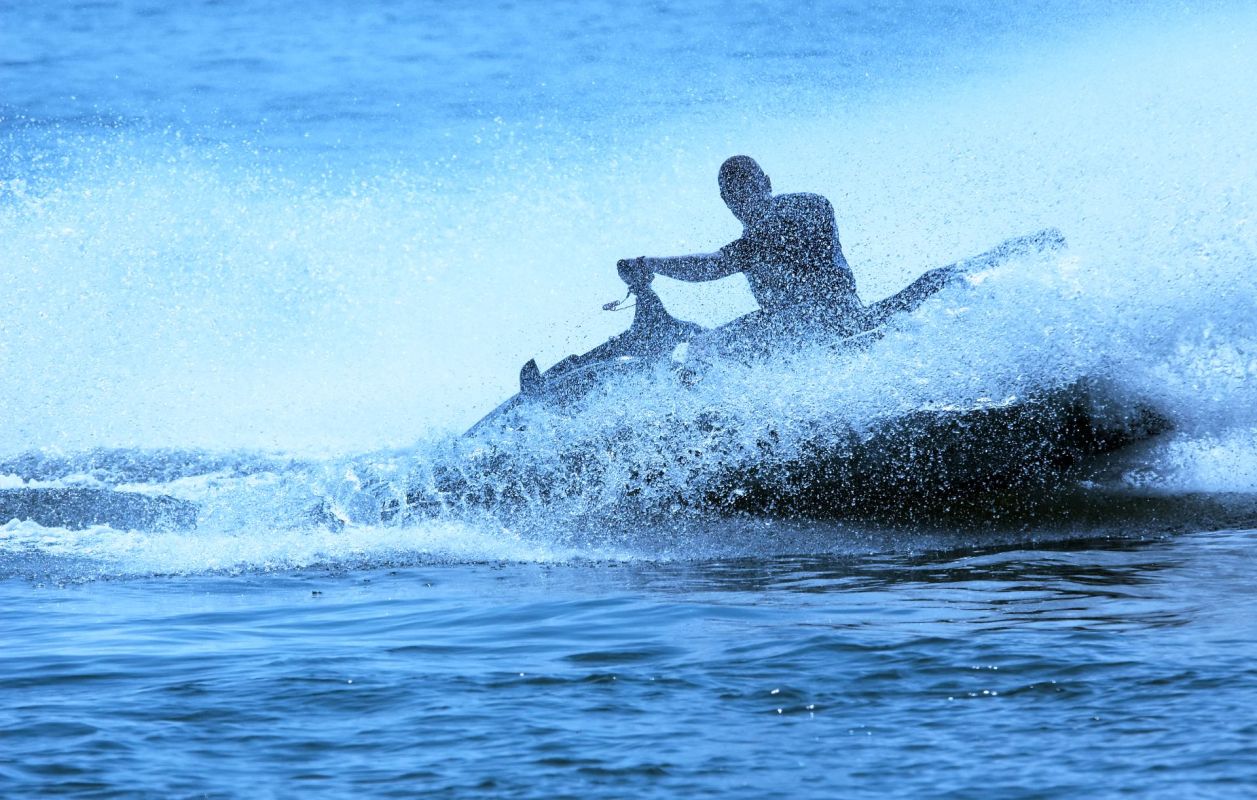
A jet ski collision involving a whale off the coast of Vancouver is drawing renewed attention to a growing threat for marine mammals: dangerous encounters with human watercraft. After the rider was rescued, Canadian authorities used the incident to remind boaters that keeping their distance from whales is not just guidance — it is the law.
What happened?
According to Houston Today, a jet skier needed rescue after an apparent collision with a whale in waters off Vancouver.
In the wake of the incident, Fisheries and Oceans Canada reminded the public of the country's minimum approach distances for marine mammals. Boaters must remain 200 meters away from resting whales, dolphins, or porpoises, as well as from those traveling with calves, and 100 meters away from other cetaceans.
As Houston Today detailed, even small recreational craft such as jet skis can seriously harm large marine mammals, and a strike can leave a whale injured or stressed, even when it is not fatal.
Why is this concerning?
This kind of encounter is a problem because it shows how human activity can put both wildlife and people at risk.
In this case, the whale did not "attack" a rider — the allegation is that a human-operated vehicle struck the animal. That distinction matters. Many troubling wildlife encounters are at least partly caused by people getting too close to animals, entering sensitive habitat, or interacting with creatures already under pressure from noise, pollution, and changing environmental conditions.
TCD Picks » Quince Spotlight
💡These best-sellers from Quince deliver affordable, sustainable luxury for all




For whales, those pressures are already intense. Populations are dealing with heavy shipping traffic, plastic pollution, and warming oceans. That means a close pass by a recreational vessel is not always an isolated stressor; it can add to a long list of human-caused disruptions. Even when whales survive a collision, the consequences can be serious.
There is also a broader ecological cost. Whales play an important role in healthy ocean ecosystems, helping cycle nutrients that support marine food webs. When whale populations are harmed, the effects can ripple outward through coastal ecosystems that people depend on as well.
And for humans, the danger is immediate as well. A collision with a whale can throw riders into the water, damage vessels, and trigger rescue operations — making this a public safety issue too.
What's being done about whale safety?
Canada already has approach-distance rules in place, and this latest incident is serving as another public reminder that they need to be followed. Meanwhile, marine wildlife groups are calling for stronger enforcement.
For everyday people, the most useful adjustment is simple: If you are heading onto the water, learn the local marine wildlife rules first.
People can also support groups working to protect marine mammals and back broader efforts to reduce the human pressures whales face, including plastic pollution, shipping traffic, and warming oceans.
While this case appears to be isolated, incidents like this are a reminder that sharing the water responsibly is not optional. For whales already navigating a world affected by human activity, distance can mean the difference between safe passage and another preventable injury.

Get TCD's free newsletters for easy tips, smart advice, and a chance to earn $5,000 toward home upgrades. To see more stories like this one, change your Google preferences here.







