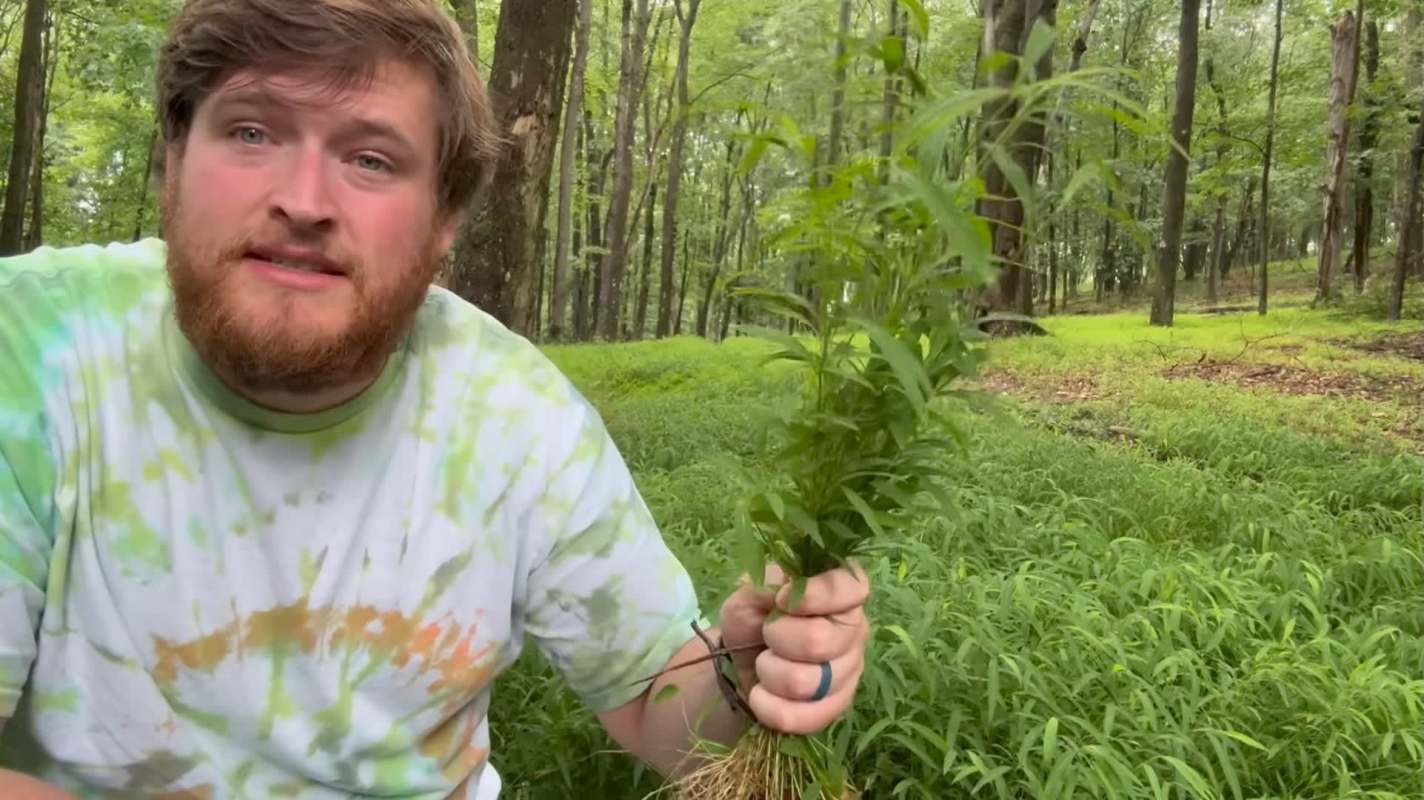
A seemingly delicate grass with a silvery stripe is quietly reshaping forests across the eastern United States.
By carpeting woodland floors and crowding out young saplings, Japanese stiltgrass is making it harder for some forests to regenerate on their own.
What's happening?
In a YouTube video, Thai-d up with the Morgans (@ThaidupwiththeMorgans) examined the spread of Japanese stiltgrass, an invasive plant from Asia that likely reached the United States in the early 1900s in packing material used on cargo ships.
The creator said the plant spreads so well because it handles shade, produces abundant seed, and is generally avoided by deer.
"Today, Japanese stiltgrass covers millions of acres across the eastern United States," they continued.
Because it is an annual, it dies back each fall only after dropping seeds that can stay viable for as long as five years.
TCD Picks » Quince Spotlight
💡These best-sellers from Quince deliver affordable, sustainable luxury for all




Identifying the grass can be tricky at first, but the creator pointed to one especially useful clue: a "silvery stripe" running down the center of each leaf.
In the comments, one viewer wrote: "I've already started my battle with stiltgrass."
Why does it matter?
The problem goes beyond a yard nuisance. When Japanese stiltgrass dies back each season, it can leave a dense layer on the forest floor that blocks light and keeps tree seedlings from getting established.
To show what that looks like, the creator highlighted a wooded area with mature trees but almost no younger ones, saying the grass appeared to be interfering with the forest's natural regeneration.
When native seedlings, wildflowers, sedges, and ferns are crowded out, forests can become less resilient and less able to support the mix of species that belong there.
The issue can also hit closer to home for gardeners and homeowners. Invasive plants that spread into yards, beds, and along property edges can make it harder to maintain healthy landscapes or grow food.
Replacing invasive plants with better-behaved native species — or protecting garden space from aggressive weeds — can support healthier outdoor spaces while making room for homegrown produce that often tastes better, cuts grocery bills, and boosts both mental and physical health.
What can I do?
For smaller infestations, the creator recommended hand-pulling, especially after rain when the soil is softer and the shallow roots come up more easily. The key, they said, is to remove the plant before it goes to seed.
For medium-sized patches, the video recommended mowing, string trimming, or brush hogging before seed set. Because seeds can remain viable for years, this usually takes repeated effort rather than a one-time cleanup, and the creator suggested approaching it as a five-year plan.
For larger properties, the creator discussed a grass-selective herbicide as one possible way to target stiltgrass while preserving non-grass native plants. Many homeowners may prefer to start with lower-impact options and restoration.
Reclaiming that space for native plants — or even starting a backyard food plot — can pay off in several ways.
The creator called Japanese stiltgrass "one of the most destructive plants to ever hit the eastern United States."
One commenter wrote, "Every year I continue where I left off."

Get TCD's free newsletters for easy tips, smart advice, and a chance to earn $5,000 toward home upgrades. To see more stories like this one, change your Google preferences here.