


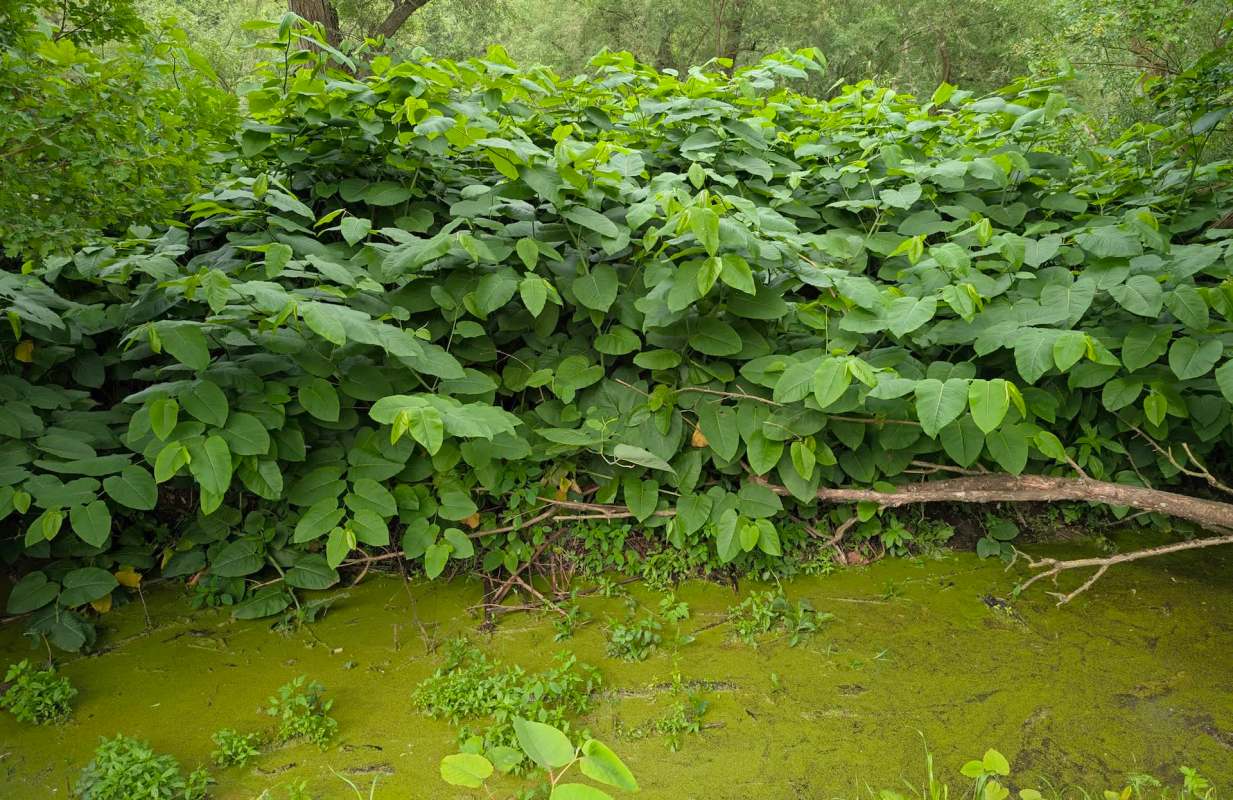
A fast-spreading plant, Japanese knotweed, is overtaking parts of Pennsylvania, and stopping it has proved to be incredibly difficult, according to The Republican Herald.
The plant may seem manageable at first, but along creekbanks and on disturbed ground, it can quickly turn into a stubborn and costly problem for nearby communities.
What's happening?
The Republican Herald reported that Japanese knotweed's ability to regrow from bits of stem or root makes ordinary control work risky. Cutting, mowing, or moving contaminated soil can unintentionally help spread it, making it a stubborn problem.
On roadsides and along creekbanks, it can grow into thick stands that take over the space. Once that happens, native plants that support wildlife can be quickly crowded out.
Pennsylvania has been especially impacted, but the problem is not limited to one state.
Why does it matter?
When people improperly manage land, the effects can spread outward. Native plants tend to have deeper ecological relationships with birds, pollinators, and other wildlife, so losing them can weaken entire local habitats.
TCD Picks » Quince Spotlight
💡These best-sellers from Quince deliver affordable, sustainable luxury for all




There is also a direct impact on communities. Healthy streamside vegetation helps hold soil in place, filter runoff, and reduce erosion.
If a single plant species exists in an area, the area doesn't get the benefits of biodiversity. That can also create more work and expense for municipalities and property owners already dealing with flood risk and land management challenges.
What's being done?
A one-time cleanup usually will not solve the problem. Land managers often need repeated treatments, regular monitoring, and careful disposal methods so plant fragments do not spread to new areas.
In many cases, the most effective response combines targeted removal with replanting native species that can compete over time and help restore streambank stability. Bare soil can create another opening for plants to grow overabundantly.
If a suspected displaced plant is growing on a property, careless cutting or dumping yard waste irresponsibly can make the infestation worse. Homeowners are generally better off checking with local extension offices, conservation districts, or plant guidance before trying to remove it on their own.
The longer it is left alone, the more expensive and disruptive it can become for neighborhoods and public agencies.

Get TCD's free newsletters for easy tips, smart advice, and a chance to earn $5,000 toward home upgrades. To see more stories like this one, change your Google preferences here.







