


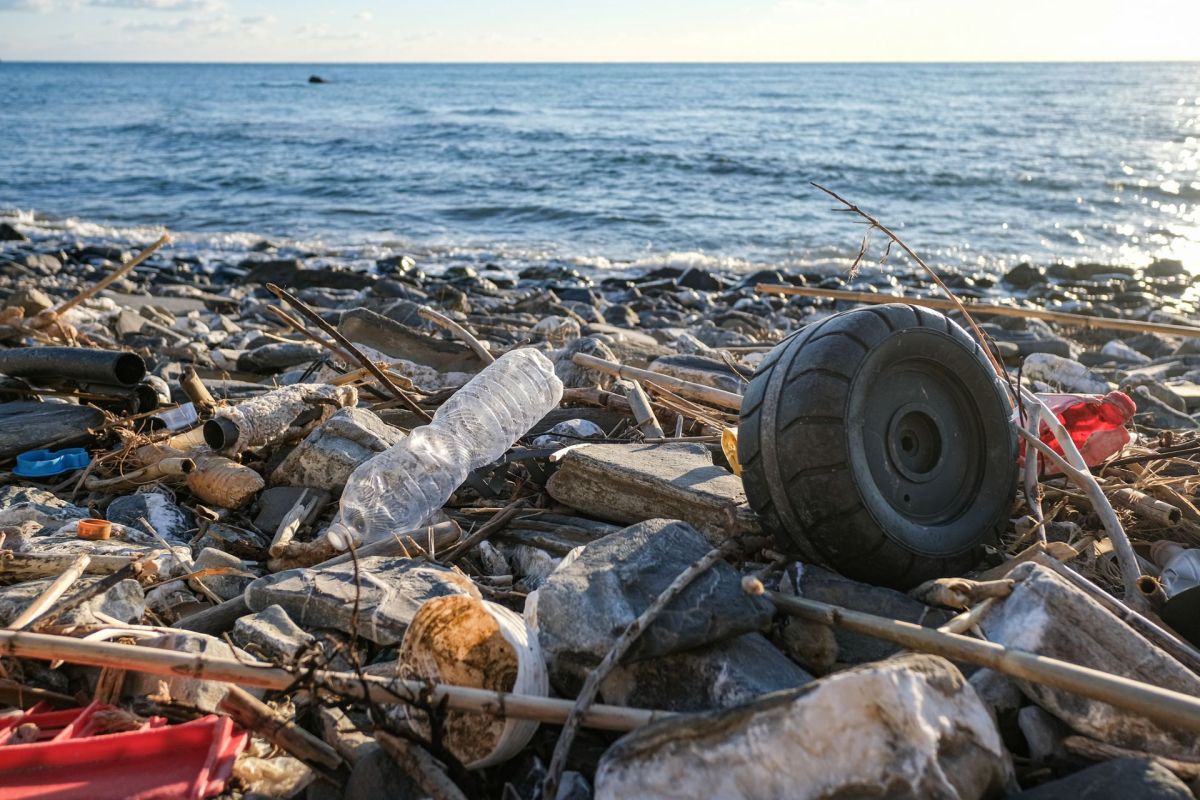
A coastal cleanup group on the Isles of Scilly has collected more than 43,000 pieces of litter in just 18 months, with around 98% believed to have come from beyond the islands, according to Scilly Coastal Cleanup Director Nikki Banfield.
Here's what to know
Scilly Coastal Cleanup collected over 2 tonnes of litter, including 8,000 plastic bottles and 16,000 fragments of rope and netting, according to BBC News. The community group began sorting debris from the sea in February 2025.
"The majority, around 98%, comes from far beyond our islands and can be traced to the mainland U.K., Europe, Africa, America, Canada, and farther afield as a result of global shipping," Banfield said.
More background
Fridge freezers, wheelie bins, and toilet seats were among the bulky household items recovered, Banfield told BBC News. The collected waste also included nurdles, which are tiny fragments of plastic.
"Plastic pollution doesn't limit itself to our peninsula beaches and waters, and efforts like this highlight what an issue discarded or lost fishing gear and other plastics can be to Scilly, its people, businesses, and wildlife," Exeter City Council recovery manager Matt Hulland said.
What's being done?
According to BBC News, Scilly Coastal Cleanup partnered with marine-waste recycler Odyssey Innovation and the Exeter City Council to recycle 1.2 tonnes of rigid plastic materials and rope and netting. More than 1 tonne of collected rubbish was exported for recycling.
TCD Picks » Quince Spotlight
💡These best-sellers from Quince deliver affordable, sustainable luxury for all




Banfield said an additional 770 kilograms (1,698 pounds) of rope and netting had gone through recycling.
Meanwhile, the Council of the Isles of Scilly has disposed of 640 kilograms (1,411 pounds) of waste classified as hazardous or non-recyclable, according to BBC News. These materials require a separate disposal process from the plastics and fishing gear being recovered for reuse.
"Scilly is at the mercy of the wind and the tides. Each rise and fall means fresh debris is deposited around our coastlines," Banfield said.
Where can I learn more?
The plastic washing up on Scilly shows how far pollution can travel from its source.
• On Japan's Okinawa beaches, researchers have found plastic fused with coral, dubbed "plasticoral."
• In Panama, a massive river plastic haul dwarfed a person standing alongside it.
• Guatemala's Interceptor 006 stopped 210,000 kilos of trash from reaching the Gulf of Honduras.

Get TCD's free newsletters for easy tips, smart advice, and a chance to earn $5,000 toward home upgrades. To see more stories like this one, change your Google preferences here.







