


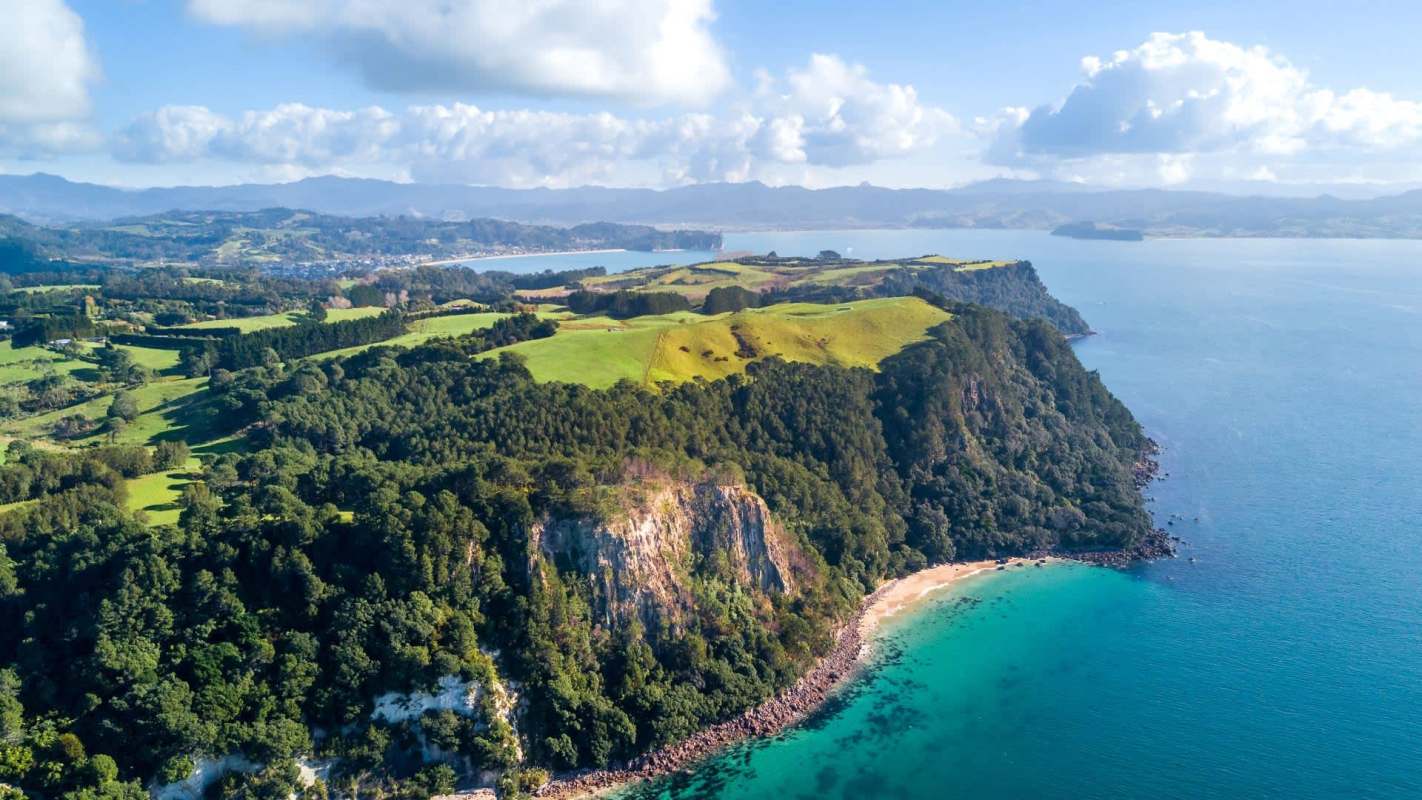
Aotearoa New Zealand has imposed an indefinite ban on taking many types of sea life from large stretches of the Auckland and Coromandel coastlines after years of concern over stripped rockpools and thinning marine life.
Here's what to know
RNZ reported that officials set the intertidal zone's outer edge at a 6.6-foot (two-meter) depth, so any beach, shoreline, or rockpool left exposed when the tide pulls out falls inside the new limits.
Fisheries Minister Shane Jones said that, within that area, many marine invertebrates can no longer be taken from Auckland's east and west coasts, Waiheke Island, and Coromandel. Cockles, crabs, kina, and pīpī are exempt.
The change follows an assessment of intertidal species across both regions, driven by ongoing disputes over rockpool gathering, and builds on a two-year harvesting restriction Jones had already set for the northern Hauraki Gulf's intertidal zone.
Although he said closing stretches of coastline wasn't a decision he wanted to make, Jones argued it was necessary given how vulnerable so many species have become to overharvesting.
He said: "Fossicking in a rockpool is a Kiwi tradition. It's a pastime that's been enjoyed by generations of New Zealanders. However, it's being exploited by a selfish few who are taking far too much kaimoana. This behaviour is endangering these fragile ecosystems and putting at risk our beloved coastal areas."
TCD Picks » Quince Spotlight
💡These best-sellers from Quince deliver affordable, sustainable luxury for all




More background
Jones said the Auckland-Coromandel area is facing a "steep decline in sea life," even as he described fossicking in rockpools as "a Kiwi tradition" and the ability to interact with the marine environment as a "key birthright feature." He said rising population pressure and heavy harvesting keep wearing down the local marine environment.
Hauraki Gulf Forum co-chair and Ngāti Manuhiri chief executive Nicola MacDonald called it "a generational decision" and said: "We've never seen anything of this size or scale before in the history of New Zealand ocean conservation. It's a fantastic step forward."
Still, not everyone believes the policy goes far enough.
Protect Muriwai Rockpools founder Jeremy Jones argued that allowing the continued gathering of species such as octopus, oysters, pāua, scallops, sea cucumbers, squid, and tuatua amounts to "managed decline," while Piha local Fiona Anderson said sea cucumbers, octopi, and squid have "all but disappeared."
What's being done?
There's no end date built into the new rules. They'll stay in force until the Oceans and Fisheries Minister decides to lift them, and officials plan to keep watching how coastal life responds before deciding whether anything more needs to change.
Where harvesting is still allowed, limits are tighter than before: crabs, octopus, prawns and shrimp, sea cucumbers, and squid now carry lower daily caps. Any species that didn't already have its own limit is now capped at 10 shellfish a day.
Fisheries officers will use their own judgment in each case, with options ranging from education and a warning to an infringement notice or prosecution.
MacDonald said the law change should also come with greater investment in marine education and local groups, arguing that "the best health advocates are primary school children" because they talk to their parents about their environmental lessons in school and calling for support to "monitor the shoreline."
For advocates like Anderson, the hope is that pulling back now gives the coast a chance to recover before more species disappear. As she put it, "Let the moana recover, let the species recover."
Where can I learn more?
New Zealand isn't alone in trying to protect marine life from overharvesting. Elsewhere, officials have tried seasonal crab closures, island fishing bans, bottom-trawling crackdowns, and other harvest restrictions to help stressed ecosystems recover.
• In Australia, officials imposed a seasonal harvest ban to protect blue swimmer crabs.
• On Amorgos, leaders approved a sweeping new ban to restore strained island waters.
• In Greece's Fourni archipelago, the government banned a common fishing practice blamed for seabed destruction.
• Florida imposed an urgent two-year ban on harvesting Suwannee bass from vulnerable rivers.
• A before-and-after study showed the shocking impact of fish bans on commercial fleets and conservation strategy.

Get TCD's free newsletters for easy tips, smart advice, and a chance to earn $5,000 toward home upgrades. To see more stories like this one, change your Google preferences here.







