


A small Illinois farm sanctuary is drawing attention for the kind of work that often happens quietly and out of sight: caring for animals that need a second chance.
What's happening?
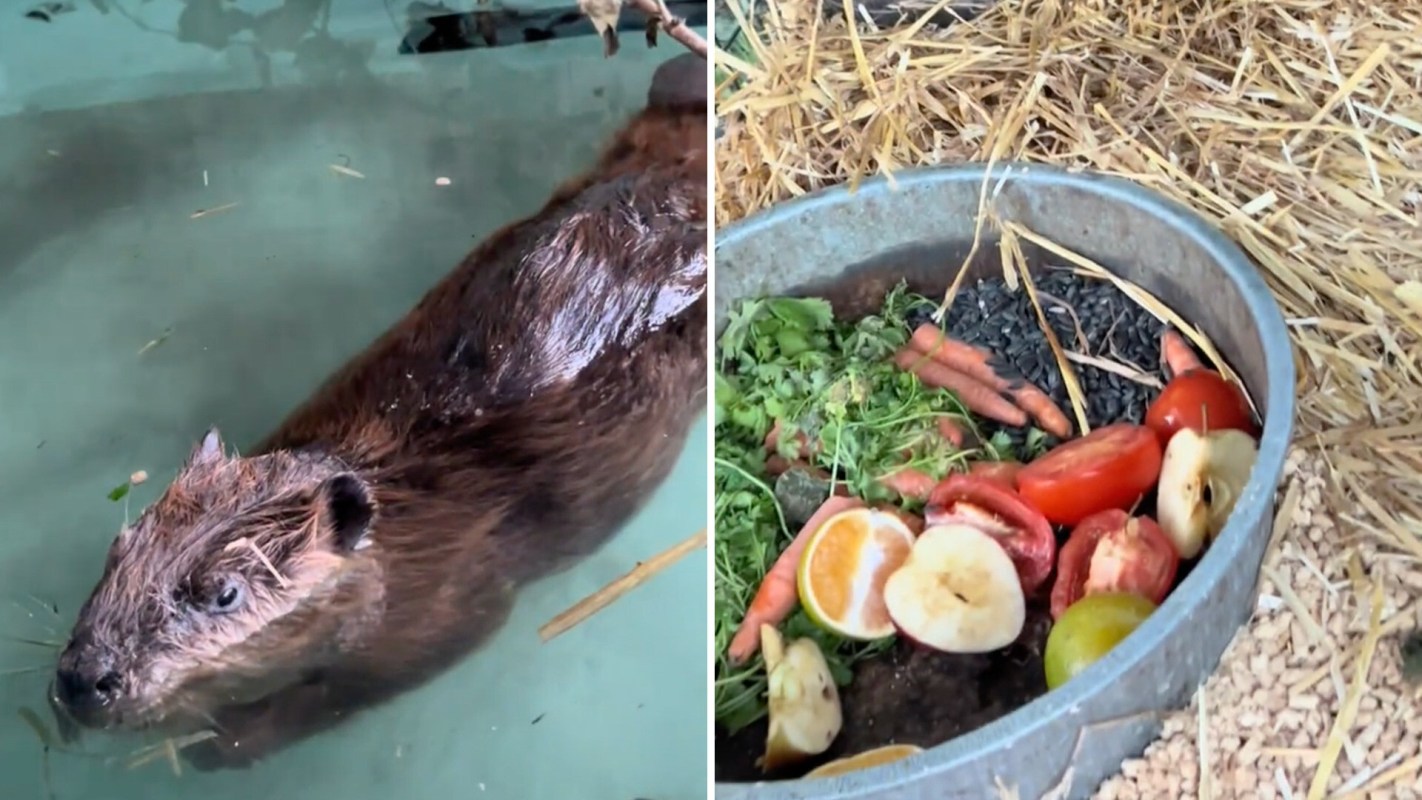
On a recent TikTok, the founders of Kitzman's Farm Sanctuary gave an update on a beaver they rescued. While he's coming along, he has neurological issues that cause him to lose balance.
@kitzmansfarmsanctuary We are a 501c3b farm sanctuary located in Dixon, Illinois. Both my farm manager and myself are certified Illinois wildlife rehabbers. This year we have saved numerous raccoons, bunnies, opossums and this beaver. We have tours coming up on September 7th. You can donate, or book a tour here. https://kitzmansfarmsanctuary.com/#beaver #animalsanctuarylife #sanctuary #sanctuary ♬ original sound - Kitzman's Farm Sanctuary
He's been set up with a large pool to swim in, with a turtle roommate, and they are cohabiting well. He also has a den to sleep in.
The sanctuary expects the beaver to be with them through the winter, so they are planning on getting more supplies for him.
While the road to recovery may be long for the animal, he seems to be enjoying his pool, as you can see him swimming around in it.
Why does it matter?
Wildlife rehabilitation can play an important role in protecting local ecosystems, especially when animals are injured by cars, habitat loss, storms, or other human-made dangers.
TCD Picks » Quince Spotlight
💡These best-sellers from Quince deliver affordable, sustainable luxury for all




When trained rehabbers step in, they also support a healthier balance in the surrounding environment by giving native species a better chance to recover and, when possible, return to the wild.
Local sanctuaries and rehabbers often become trusted resources for communities that may not know what to do after finding a hurt bird or orphaned mammal.
Without that support, well-meaning residents may accidentally make the situation worse by handling wildlife improperly.
What's being done?
The sanctuary is already carrying out that mission by taking in animals, applying wildlife rehabilitation knowledge, and sharing its work publicly.
One practical step is supporting licensed local rescue and rehabilitation groups by donating or volunteering.
If you find injured wildlife, the safest move is usually to contact a licensed wildlife rehabilitator or local animal authority rather than trying to care for the animal yourself.
If you want to back organizations doing this kind of work, The Cool Down has a guide on how to donate money to climate causes.

Get TCD's free newsletters for easy tips, smart advice, and a chance to earn $5,000 toward home upgrades. To see more stories like this one, change your Google preferences here.







