


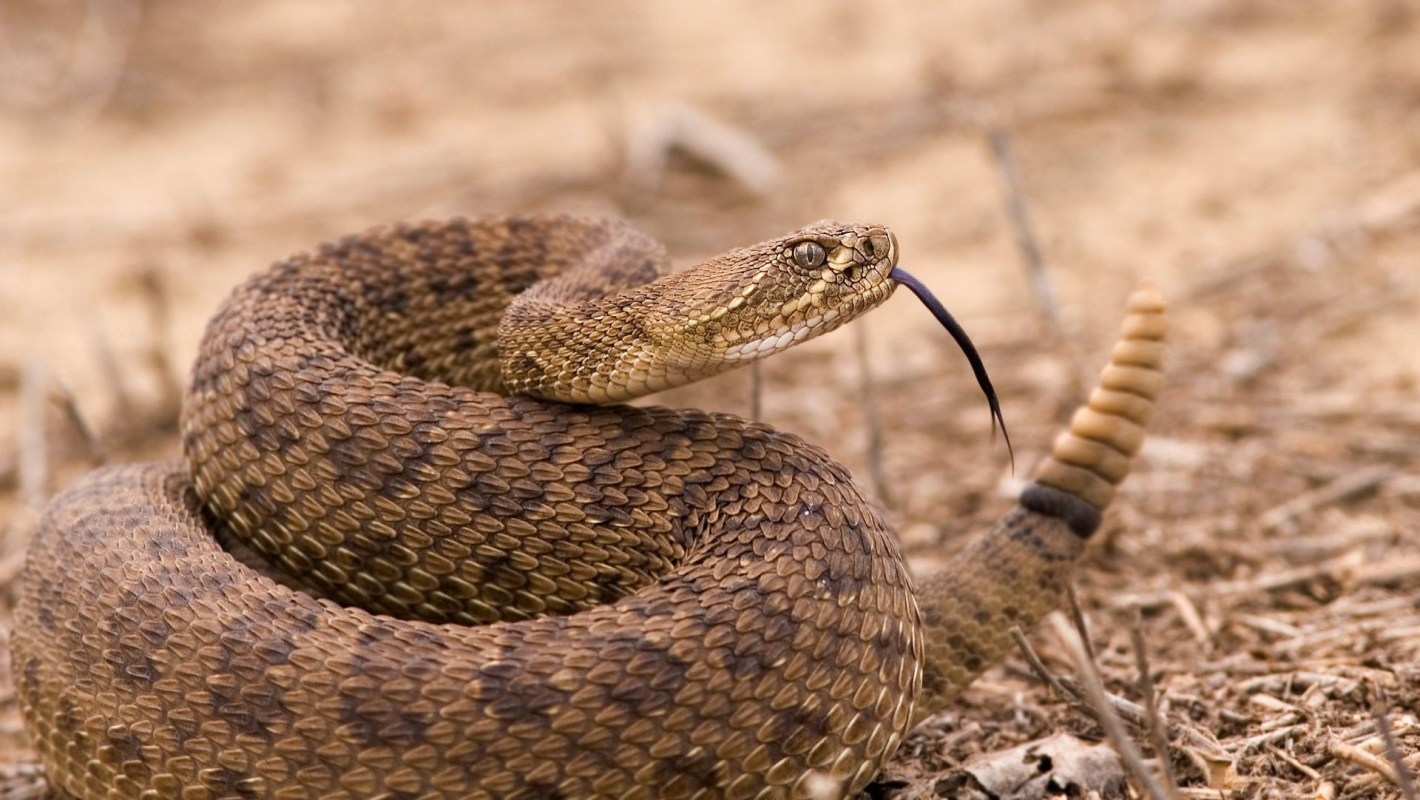
An Idaho man's visit with family in Northern California turned into a life-threatening ordeal after a quick trip into the backyard ended with two rattlesnake bites and an extraordinary 54 doses of antivenom.
What happened?
Chris Howarth, an Idaho resident, was in Oroville on May 26 when he went into his parents' backyard to inspect a waterline.
Howarth told SFGate that once outside, he believed that he had accidentally stepped on something sharp. But instead, a rattlesnake had bitten his lower right leg twice. The first strike was shallow, while the other penetrated a vein and quickly made the situation far more dangerous.
The venom from the snake bite led to "disseminated intravascular coagulation," which KTSM described as a dangerous disorder that can lead to organ damage and uncontrollable bleeding.
Within roughly 90 minutes, at the Oroville hospital, Howarth was given dose after dose of anti-venom, but more was needed. Once the hospital's antivenom supplies were depleted (after six days), Howarth was airlifted about 200 miles to Stanford Hospital, as KTSM reported.
By the end of his second hospital stay, it had been almost two weeks, and Howarth had received 54 doses of antivenom, an unusually high amount.
TCD Picks » Quince Spotlight
💡These best-sellers from Quince deliver affordable, sustainable luxury for all




Howarth's ordeal can be understood within the broader rise in rattlesnake bites across California. As of early July, the state had recorded nearly 250 bites and three deaths.
Why does it matter?
Rattlesnake bites are medical emergencies under nearly any circumstance, but a bite that delivers venom directly into a vein can turn catastrophic especially quickly.
Access to specialized treatment is another factor. Antivenom is lifesaving, but it is also limited, expensive, and not always available in large quantities at every hospital. When supplies run short, patients may need emergency transport.
The encounter happened in a backyard, where irrigation lines, landscaping, shade, and rodent activity can all create conditions that draw snakes closer to people.
Research has repeatedly shown that wildlife attacks are often tied to increasing overlap between animals and human activity, as reported by BBC Future.

Get TCD's free newsletters for easy tips, smart advice, and a chance to earn $5,000 toward home upgrades. To see more stories like this one, change your Google preferences here.







