


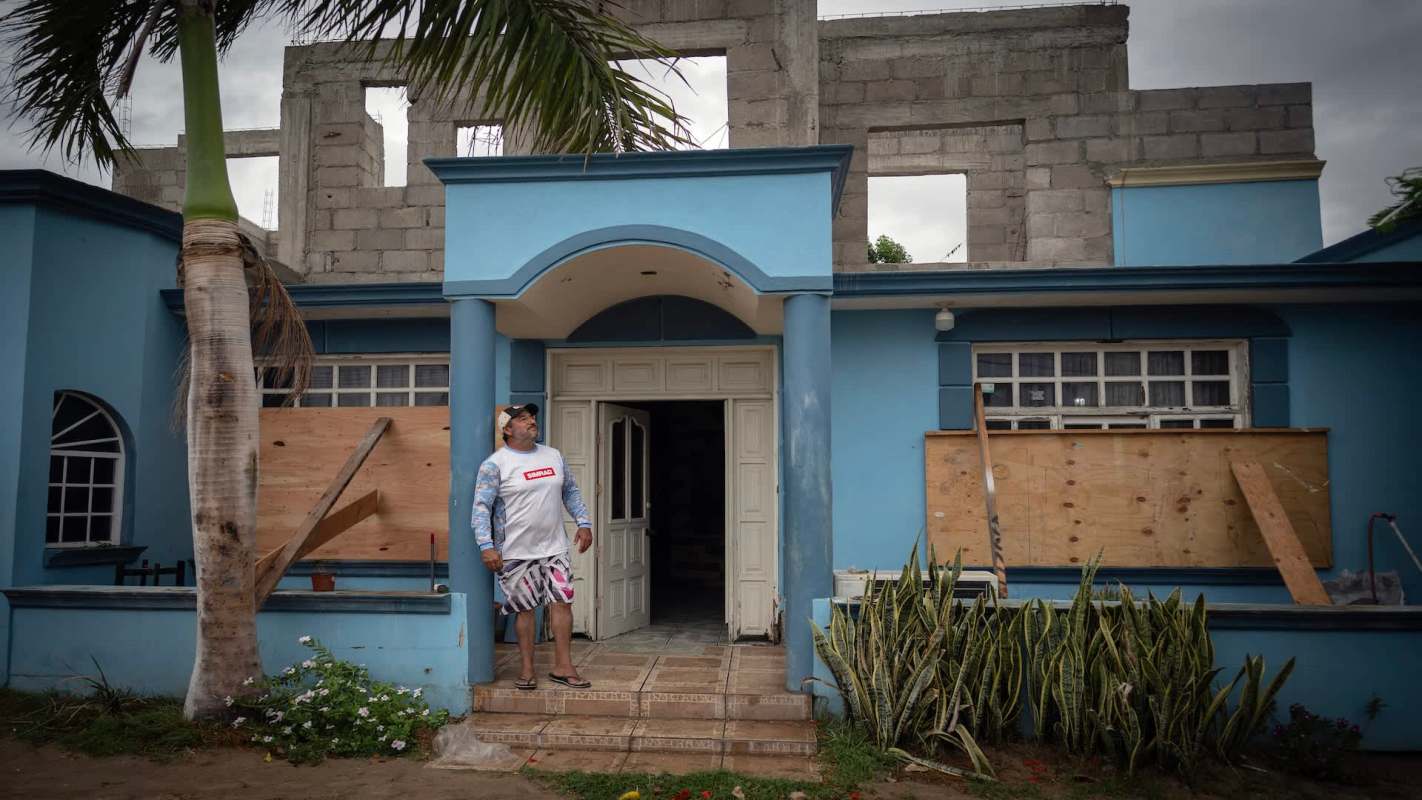
Residents in Mexico's Baja California Sur state were boarding up homes, reinforcing embankments, and weighing evacuations as Hurricane Polo approached the peninsula with dangerous winds, rain, and surf, raising fears of flooding, road washouts, power outages, and coastal damage in small communities with limited resources.
Here's what to know
According to Global News, forecasters warned that Polo could dump heavy rain on Baja California Sur, creating life-threatening flood and mudslide risks before the storm reaches mainland Mexico. The U.S. National Hurricane Center in Miami said the hurricane was a Category 3 system with sustained winds of 115 mph.
High tides and pounding surf were a major worry in Puerto San Carlos, a fishing town of about 5,700 people, where residents feared seawater could push past barriers and into the community. Some families planned to go to shelters in Ciudad Constitución, about 37 miles away, and dozens of other people in the state had already been evacuated.
Rocío Sánchez, a fisherwoman, described the danger starkly, stating: "Civil Protection told those of us here in San Carlos to evacuate because this is a high-risk area. With the current tides, the expected waves and the wind, the earthen barriers they built (to prevent flooding) could give way."
The threat came amid a burst of Pacific storm activity. Hurricane Nolo, though moving away from Hawaiʻi, was still expected to bring torrential rain, while Tropical Storm Rachel had also formed off Mexico's southwest coast.
In places such as San Juanico on Baja's Pacific coast, washed-out roads could cut people off from medical care, while already fragile power access could become even more unreliable.
TCD Picks » Quince Spotlight
💡These best-sellers from Quince deliver affordable, sustainable luxury for all




Bob Oravec, a lead forecaster for the National Weather Service, said Pacific storm activity has been above-average during the peak of hurricane season and noted that the pattern is consistent with El Niño years, when the Pacific often sees more tropical storms and hurricanes, Global News reported.
What's being done?
Laura Velázquez, national coordinator of Mexico's Civil Protection Agency, told residents to avoid the streets and move to shelter if their homes were at risk. She also said travel would be suspended in the expected landfall area and ports across the region would close.
The Mexican navy said it had assembled personnel and humanitarian aid in the Pacific ports of Guaymas and Mazatlan. It also deployed three vessels that could deliver supplies to coastal communities cut off by the storm.
In San Juanico, Gloriely Robles Meza, a manager at a small hotel, said army soldiers arrived to prepare a shelter and support possible emergencies.
"Our people are concerned about this event," Robles Meza said, per Global News. "We haven't faced such a worrying situation in many years."
Where can I learn more?
These stories add context on the risks hurricanes can pose before and after landfall.
• Across storm-hit communities, post-hurricane heat deaths threatened workers and vulnerable residents.
• Forecasters warned inland U.S. residents that hurricane flooding risk skyrockets far from shore.
• In the southern Appalachians, post-hurricane ecosystem damage created new risks across battered landscapes.

Get TCD's free newsletters for easy tips, smart advice, and a chance to earn $5,000 toward home upgrades. To see more stories like this one, change your Google preferences here.







