


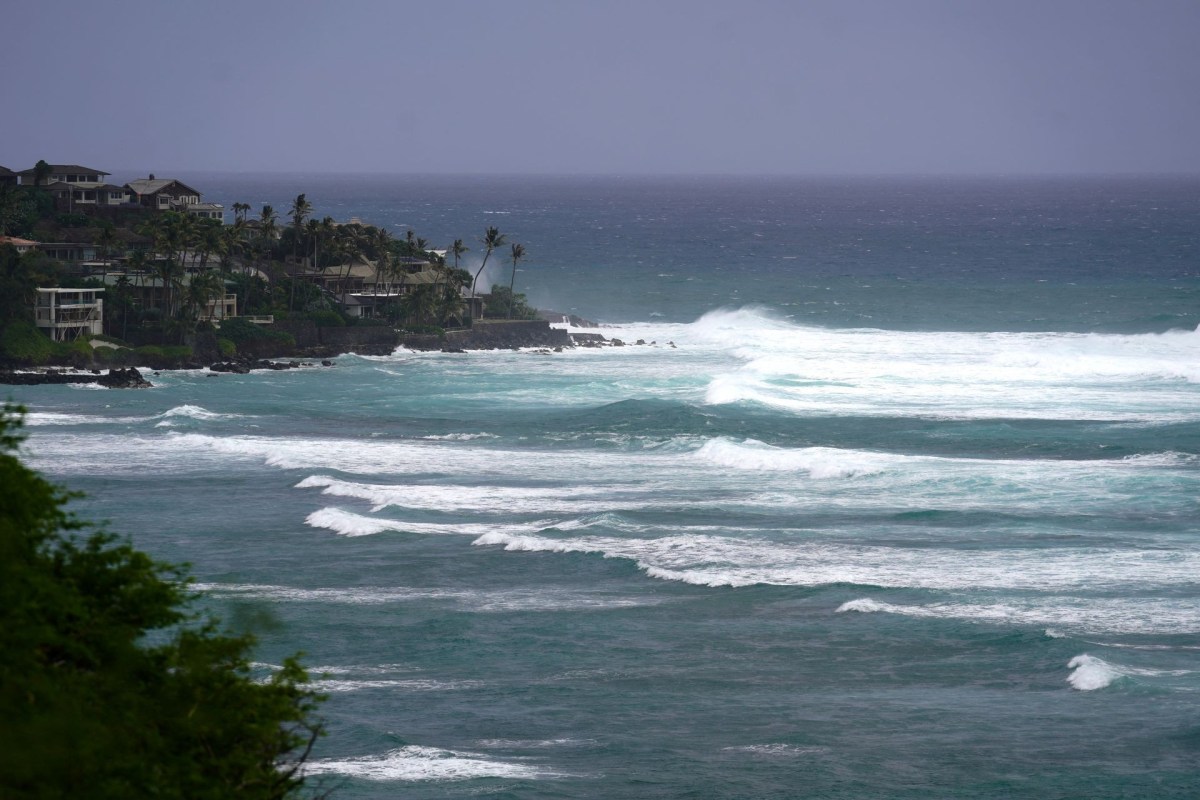
A startling social media clip showed what hurricane damage can look like before floodwaters even recede.
Inside a Kauai hotel, wind and rain from Hurricane Lowell dragged dirt and debris straight into an indoor space.
Here's what to know
In a Sept. 8 post, FOX Weather (@foxweather) shared the unsettling footage.
@foxweather STORM INVASION 🌀⚠️: Hurricane Lowell is leaving its mark on Kauai as dirt and debris pile up inside a hotel amid the storm's powerful impacts. The jarring scene shows the mess left behind as Lowell lashes the island, forcing the storm's fury straight indoors. #FoxWeather #Weather #Hurricanes #Pacific #Hawaii ♬ original sound - FOX Weather
"Hurricane Lowell is leaving its mark on Kauai as dirt and debris pile up inside a hotel amid the storm's powerful impacts," a caption began.
"The jarring scene shows the mess left behind as Lowell lashes the island, forcing the storm's fury straight indoors," it continued.
Because the post did not name the property, multiple commenters asked which hotel was shown.
TCD Picks » Quince Spotlight
💡These best-sellers from Quince deliver affordable, sustainable luxury for all




Others reacted to the conditions, including one person who wrote, "This is actually [a] best case scenario — coming from a Floridian."
More background
Hurricane damage is not limited to dramatic scenes along the shoreline.
When mud and debris get inside buildings, they can make floors dangerously slippery, cause unhealthy contamination, damage all the belongings in the building, and force businesses to close until repairs can be finished.
Those consequences can also ripple through the local economy.
In places that rely heavily on tourism, hotel disruptions can affect guests, staff, businesses, and planned events, adding financial strain on top of the storm's immediate safety risks.
Worsening disasters threaten people's lives and finances, not just their property.
Powerful storms damage homes, interrupt medical access, cut power, and put a strain on emergency services, while expensive repairs and lost business are hard for the community financially.
For families and workers, that toll can include health risks, lost wages, canceled plans, and fewer safe places to go during an emergency.
What can be done?
The most important step during a hurricane is to follow local emergency guidance and avoid unnecessary movement during high winds or flooding, whether you're local or a visitor.
Keeping phones charged, storing medications and important documents in waterproof containers, and knowing where to shelter can make a dangerous situation more manageable.
For hotels and other businesses in storm-prone areas, preparation can help limit at least some of the damage.
Cleanup also has to be handled carefully, since floodwater and debris can conceal sharp objects, contamination, and electrical hazards.
Reinforcing vulnerable openings, protecting ground-floor interiors, improving drainage, and maintaining clear guest communication plans can all make a difference when conditions rapidly deteriorate.
That concern also appeared in the comments.
"Knowing this can happen, they should be more prepared. Like um, put a cover over openings," one commenter wrote.
"Horrible, hope everyone is safe," another replied, adding a broken heart emoji.
Where can I learn more?
These stories look at the toll storms can take, from Florida businesses bracing for another active season to communities and recovery crews dealing with hazards that linger long after landfall.
• In Florida, businesses begged for the return of tourists last year as hurricane threats lingered.
• In western North Carolina, flood dangers returned as storm recovery grew more complicated.
• After catastrophic storms, recovery workers face dangers in extreme post-hurricane heat.
• Across Alaska and Maine, the worst threats are hitting places exposed to escalating climate risks first.
• In Himachal Pradesh, hailstorms were still having some impact on damaged crops last year.
Storm damage rarely ends with the images that first grab attention. Stories like these show why preparation, recovery planning, and worker safety matter when extreme weather hits the places people live, work, and visit.

Get TCD's free newsletters for easy tips, smart advice, and a chance to earn $5,000 toward home upgrades. To see more stories like this one, change your Google preferences here.







