


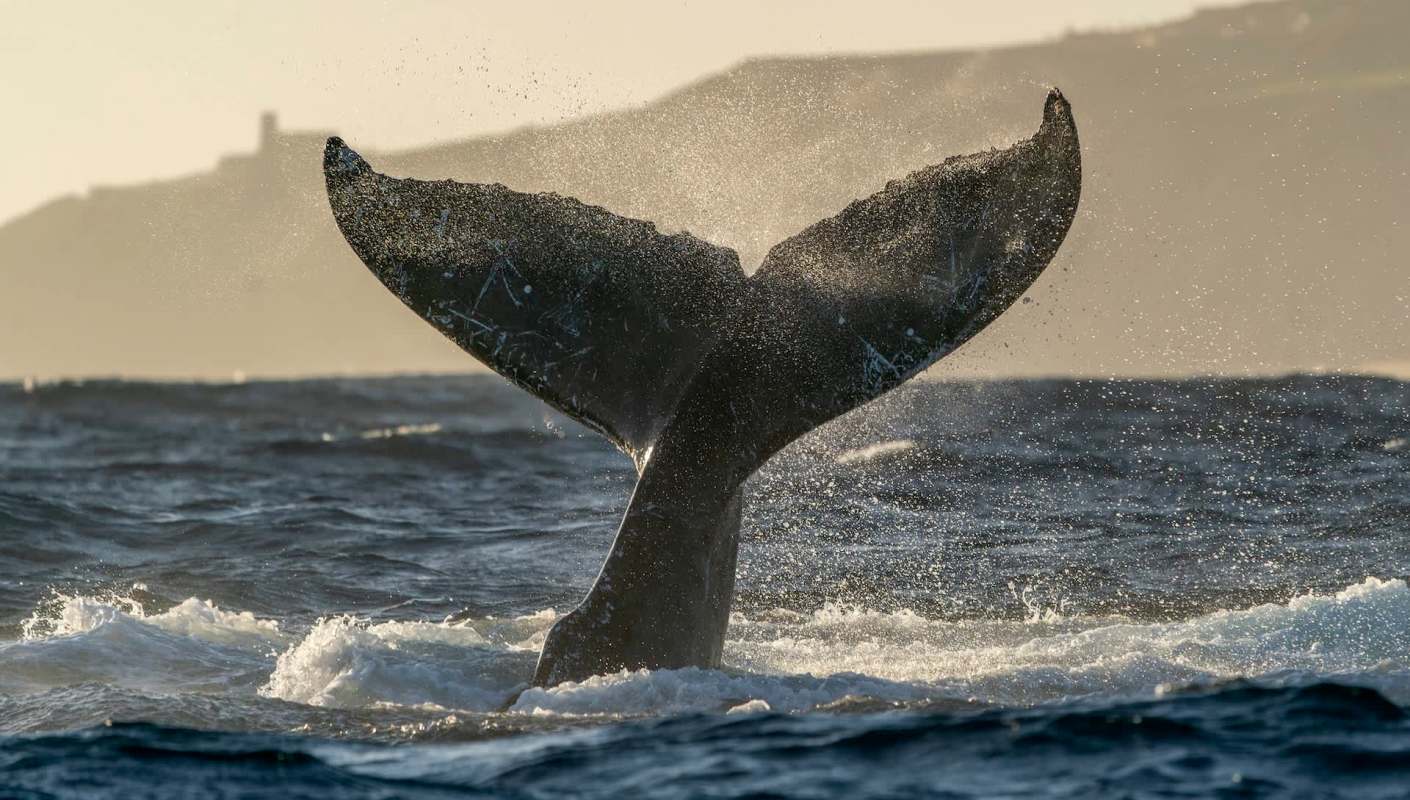
Humpback whales are increasingly showing up in New York's waters, a sign of a population rebounding after centuries of being hunted. But the same waters that now attract them are also some of the busiest shipping lanes in the country, and experts warn the overlap is turning deadly, according to the Guardian.
What's happening?
When Gotham Whale, a New York-based research group, began tracking humpbacks in 2012, only five individuals had been recorded. That number has since grown to more than 470, many of them juveniles drawn by menhaden schools close to shore. The shift has created a new problem: Whales are now feeding directly in the path of cargo ships, tankers, and cruise vessels.
Since 2017, federal scientists have documented an ongoing Unusual Mortality Event among humpbacks along the East Coast, with vessel strikes identified as a leading cause of injury and death. In 2024, a cruise ship even arrived at a New York port with a dead endangered sei whale draped across its bow.
"It is this perfect storm of events," marine scientist Lesley Thorne of Stony Brook University told the Guardian, pointing to warming waters, shifting food supplies, and recovering whale populations converging in one of the world's busiest maritime corridors.
Why is this change important?
The loss of whales is not only a biodiversity issue. It also affects the health of marine ecosystems that communities rely on. Whales help regulate fish populations and cycle nutrients that feed phytoplankton, the tiny organisms that produce much of the world's oxygen and absorb carbon from the atmosphere.
If collisions continue unchecked, scientists warn it could set back decades of conservation progress. Large whale populations, including humpbacks, fin whales, and the critically endangered North Atlantic right whales, all use the New York Bight, a stretch of ocean roughly the size of Switzerland.
The rising number of deaths threatens both ecological balance and the growing whale-watching economy that has brought new tourism dollars to the region.
What's being done about the new population of whales?
The National Oceanic and Atmospheric Administration says slowing ships to 10 knots can dramatically reduce both the likelihood and severity of collisions. But earlier this year, federal regulators pulled back from expanding seasonal speed limits to cover more vessels and longer time periods, citing industry pushback. That decision leaves whales dependent on voluntary slowdowns, which experts say are far less effective.
TCD Picks » Quince Spotlight
💡These best-sellers from Quince deliver affordable, sustainable luxury for all




Local conservationists argue that public pressure remains key. Choosing whale-safe seafood, supporting stricter vessel regulations, and backing organizations like Gotham Whale all help push for stronger protections.
Similar campaigns have gained ground elsewhere — such as efforts to protect Florida manatees and Pacific salmon runs — showing that grassroots advocacy can influence policy.
Janet Coit, former head of NOAA Fisheries, said that in the 1970s, whale conservation was seen as a public ethical problem. "I'm concerned that this ethic is not underpinning our values any more," she told the Guardian. "If people want to save the whales, they are going to have to change their behavior."
|
Do you think America does a good job of protecting its natural beauty? Click your choice to see results and speak your mind. |
 Definitely 👍
Join our free newsletter for good news and useful tips, and don't miss this cool list of easy ways to help yourself while helping the planet.







