


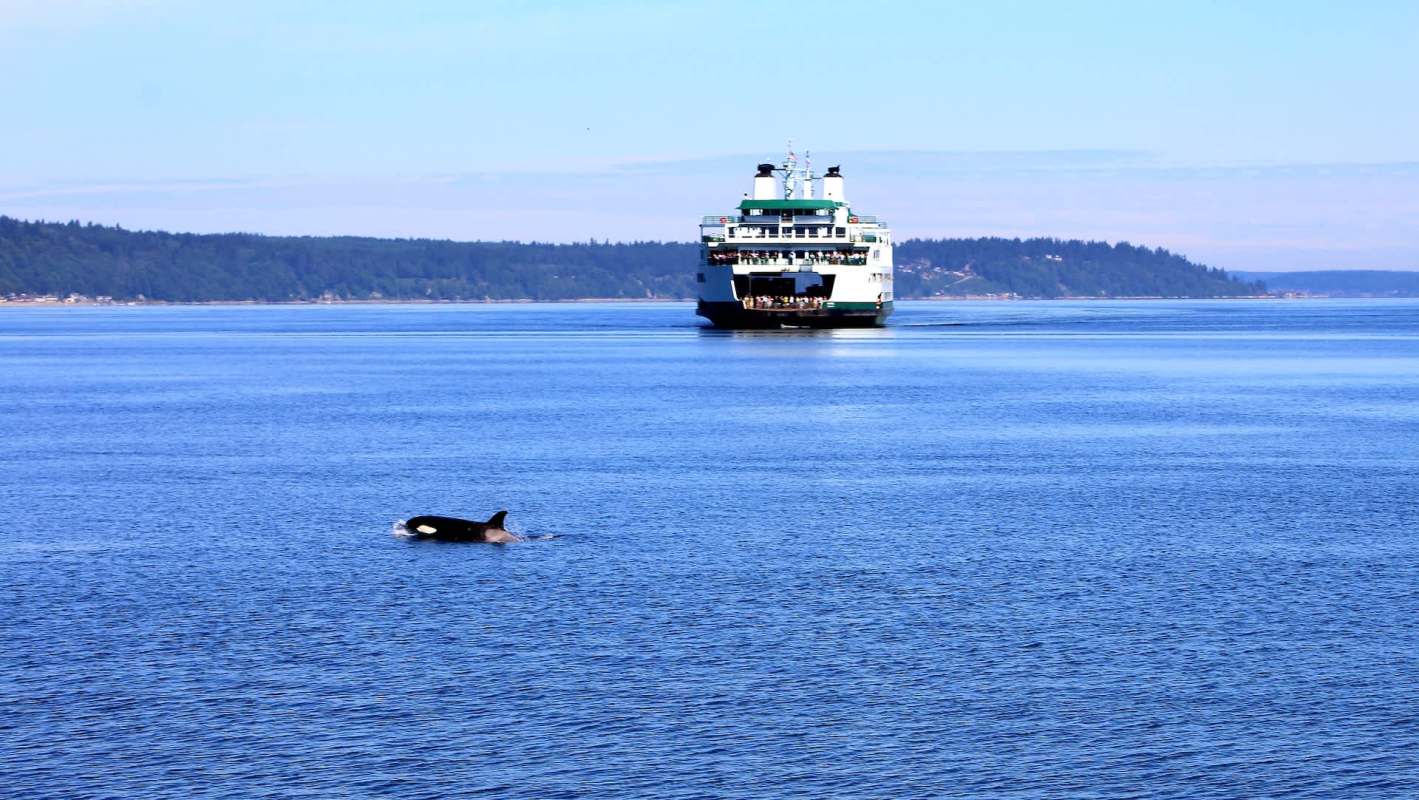
A deep wound that exposed blubber behind a young humpback whale's dorsal fin left whale watchers fearing for months that the young female named Skipper would not live.
But this week, the 2-year-old reappeared in Puget Sound, a sighting many marine observers experienced as nearly miraculous, according to Castanet Kamloops.
What happened?
Skipper had not had a confirmed sighting since Dec. 6, when she was seen near Orcas Island, Washington, until a whale-watching boat spotted her breaching and diving on Monday.
Photographs taken last fall had shown a massive injury that some researchers considered among the worst they had seen, which is why the new sighting brought such relief.
The possibility that Skipper had been hit by a Hullo ferry had left experts unsure whether she could survive the winter.
The return north puts humpbacks through busy marine corridors, after a winter journey to warmer waters where they fast and lose weight.
TCD Picks » Quince Spotlight
💡These best-sellers from Quince deliver affordable, sustainable luxury for all




Erin Gless, executive director of the Pacific Whale Watch Association, summed up the challenge plainly: "It's a real gauntlet."
Breaching and diving are behaviors Gless said indicate a whale is doing well, giving observers fresh reason for optimism about Skipper.
"She's a fighter," she said, per Castanet Kamloops.
Why does it matter?
Vessel strikes remain a serious threat in waters shared by ferries, fishing boats, whale-watch tours, and recreational boaters.
Catriona Day, public education and engagement fishery officer for the Whale Protection Unit of Fisheries and Oceans Canada, said humpbacks face more risk from boats because their movements are slower and less predictable, and unlike orcas, they do not use echolocation.
Protecting whales helps sustain marine ecosystems and the tourism economies built around them, while safer boating rules can reduce traumatic encounters for both animals and people on the water.
Day said the rules call for a 1,000-meter (~3280 feet) buffer around southern resident killer whales, along with distances of 200 meters (~656 feet) for a resting humpback and 100 meters (~328 feet) for an active one.
Signs that a whale may be nearby include spouts, splashing, bird activity, and even nearby whale-watch vessels.
As Gless put it, "Anywhere with salt water, a whale can be there."
What are people saying?
Researchers expressed relief.
Months of uncertainty about whether Skipper had made it through her migration made the sighting, in Gless's words, "just a huge relief."
The injury has also left Skipper with a clear identifying mark: a notch near her dorsal fin, Gless said.
Officials urged caution.
Day's advice to boaters was simple: "Give them more space than they need."

Get TCD's free newsletters for easy tips, smart advice, and a chance to earn $5,000 toward home upgrades. To see more stories like this one, change your Google preferences here.







