


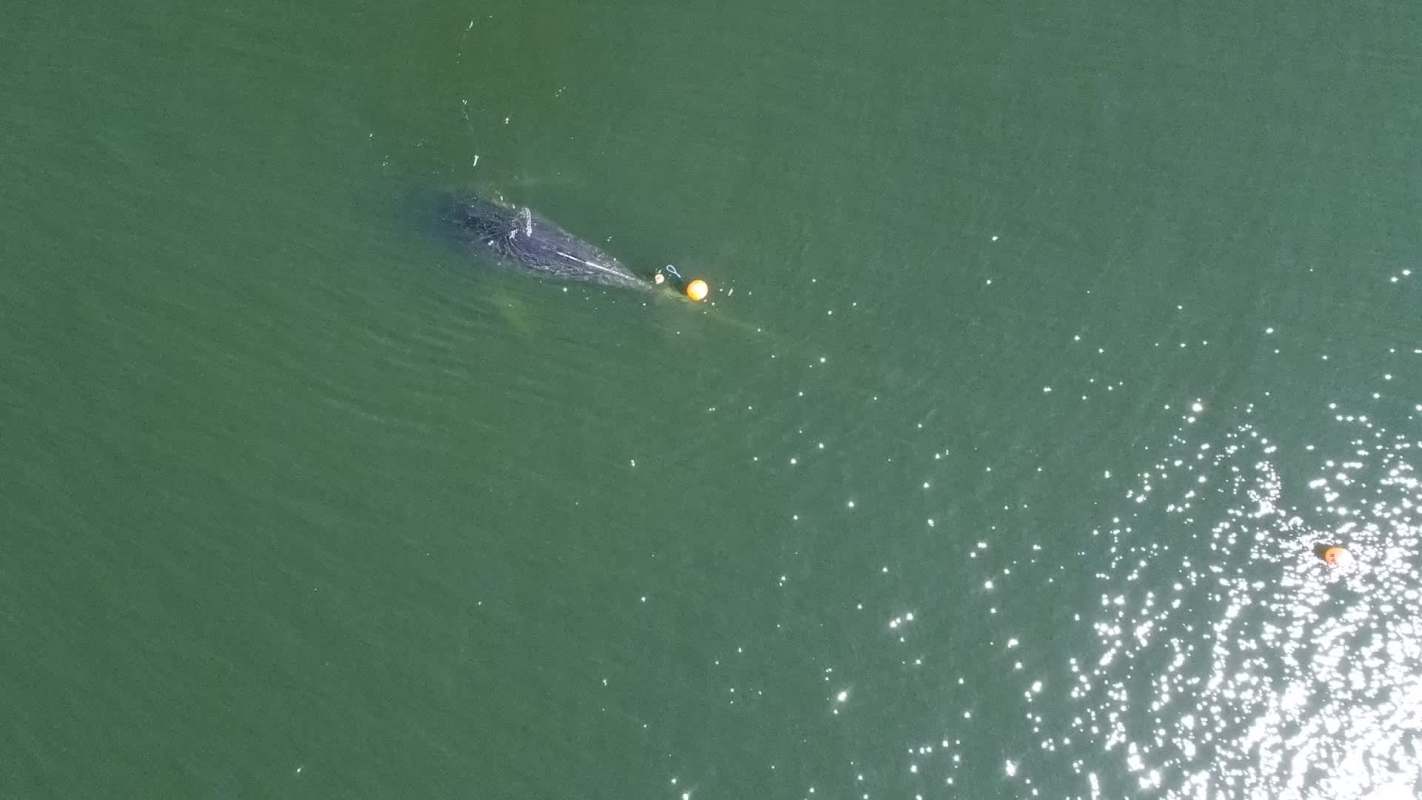
A juvenile humpback whale trapped under the weight of two massive crab pots is swimming free again after a careful rescue in Alaska's Endicott Arm — and the save is drawing attention as a powerful example of how quickly community reporting can help protect wildlife.
What happened?
About 50 miles southeast of Juneau, Endicott Arm is a narrow, remote fjord that still sees regular traffic from cruise ships and commercial fishing vessels, creating hazards for whales and other marine animals.
The entangled juvenile humpback, identified as Megaptera novaeangliae, was found near the mouth of that waterway, reported Popular Science.
The whale was dragging lines attached to two commercial Tanner crab pots, each weighing about 800 pounds, a load that left it largely stuck in place and unable to move normally.
In a June 24 statement, the National Oceanic and Atmospheric Administration said several mariners reported seeing the animal on the evening of May 10, which helped trigger a rapid response.
The rescue effort began the next day, with biologists from NOAA Fisheries, the Alaska Department of Fish and Game's marine mammal program, and Alaska Sea to Shore heading out to assist.
TCD Picks » Quince Spotlight
💡These best-sellers from Quince deliver affordable, sustainable luxury for all




Over more than five hours on the water, the team made four careful cuts that removed the pots and much of the entangling gear from the whale.
"We formed a network of eyes on the water — vessel crews coordinating real-time updates between one another and relaying them to us," said NOAA Fisheries Marine Mammal Specialist Suzie Teerlink, per Popular Science. "That communication was critical. It gave us insight into the nature of the entanglement, helped us build a safe response plan, and gave us confidence that we could relocate the whale."
Why does it matter?
Alaska has documented more than 140 confirmed reports of entangled large whales since 1998, and the true number is likely much higher because many incidents are never seen or reported. That makes entanglement a continuing problem in the state.
For whales that become trapped in gear, the consequences can be severe: they may drown, starve, develop serious infections, or face a greater risk of vessel strikes.
Mariners and crews on the water played a direct role by giving specialists the information they needed to respond quickly and safely
What are people saying?
Responders stressed that rescues like this are anything but simple.
"Cutting gear off an animal of this size can be dangerous," said John Moran, a NOAA research fisheries biologist and advanced responder on the team, per Popular Science. "We use long poles fitted with specialized knives to extend our reach. That allows us to cut lines while reducing the risk of being injured by a 40-ton animal."
Officials also credited the public with helping make the rescue possible.
"We are incredibly grateful to the whale watch community and everyone who reported this entangled whale to the NOAA Fisheries hotline," said Sadie Wright, Large Whale Entanglement Response Coordinator for the NOAA Fisheries Alaska Region, per Popular Science. "The details provided by the public enabled our response team to prepare and execute a safe response to this life-threatening entanglement, leading to a successful outcome."

Get TCD's free newsletters for easy tips, smart advice, and a chance to earn $5,000 toward home upgrades. To see more stories like this one, change your Google preferences here.







