


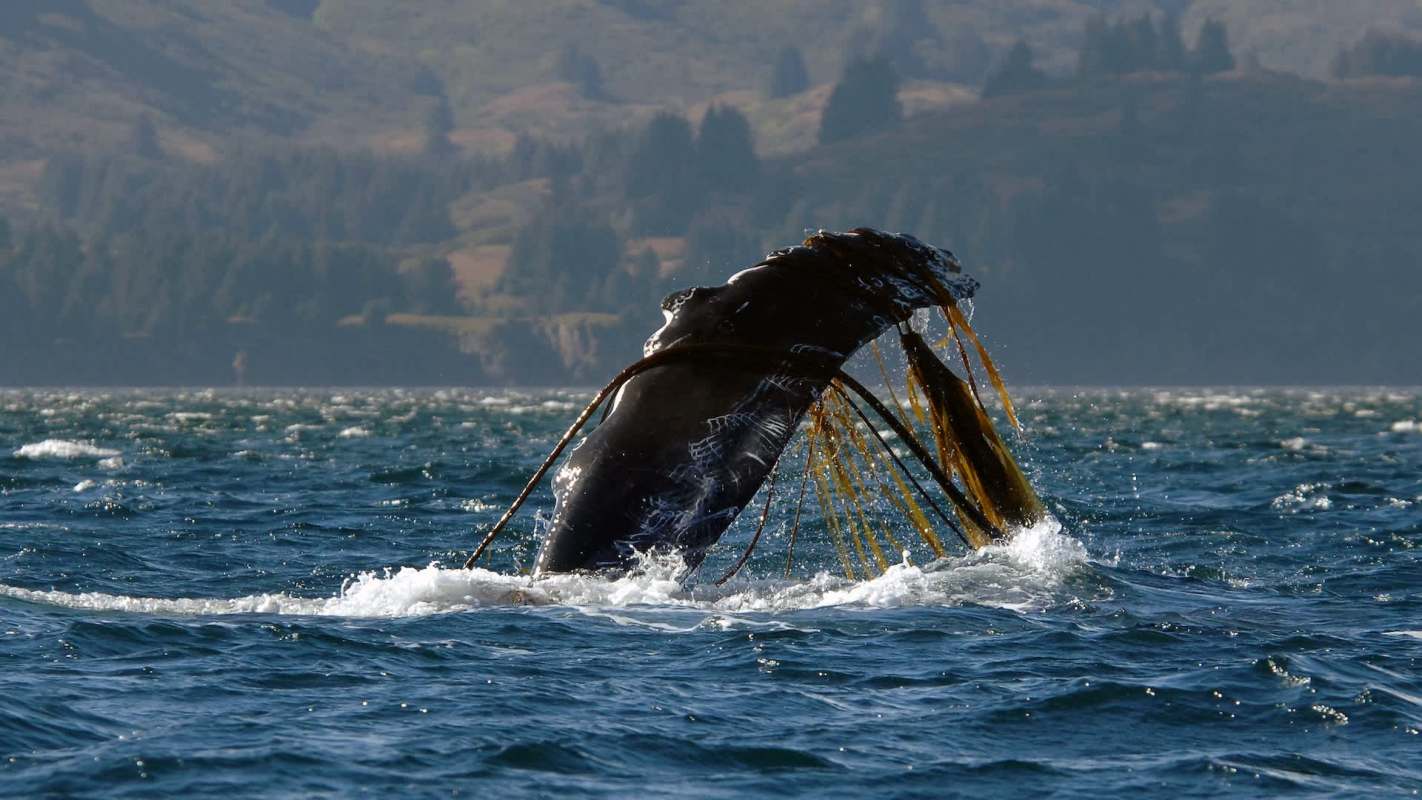
After nearly a week spent dragging fishing gear through busy coastal waters, Pop Tart, a humpback whale beloved in the Salish Sea, is swimming freely again.
The outcome came after several days of work by whale-watching crews and marine responders operating on both sides of the U.S.-Canada border.
What happened?
According to the Pacific Whale Watch Association, as reported by KOMO News, Pop Tart was first seen by the crew of Orca Spirit Adventures on July 2 off Victoria, British Columbia.
The Pacific Whale Watch Association said the whale got the name Pop Tart because she surfaced and breached so often when she was a young calf.
After seeing the animal caught in fishing gear, Fisheries and Oceans Canada sent out its Marine Mammal Response Team, and whale-watching vessels from British Columbia and Washington helped maintain visual contact.
Drone footage later revealed a buoy and more than 98 feet of fishing rope were attached around one of Pop Tart's pectoral flippers.
TCD Picks » Quince Spotlight
💡These best-sellers from Quince deliver affordable, sustainable luxury for all




Teams monitored the whale for days. Pop Tart disappeared on July 3 and 4, resurfaced July 5 near the Strait of Juan de Fuca, and then vanished again into the fog after a dive.
On July 6, companies including Prince of Whales and Orca Spirit Adventures resumed the search, and responders managed to secure a tracking buoy to the gear despite rough weather, according to KOMO News.
On July 8, Eagle Wing Tours found Pop Tart off Race Rocks, the Pacific Whale Watch Association said, as KOMO News reported. The gear was no longer on her, and drone footage confirmed she had been fully disentangled.
Why does it matter?
Entanglement remains one of the most serious dangers facing large whales, even in areas where humpback populations have shown signs of recovery.
Ropes and buoys can make it harder for whales to feed, travel, surface normally, and avoid injury or infection.
Healthy whale populations help support ocean ecosystems and coastal communities tied to tourism, wildlife viewing, and recreation.
Local workers — including captains, crews, and marine responders — can serve as an early warning network when wildlife is in distress.
What's being done?
The rescue effort relied on a coordinated marine response system.
Fisheries and Oceans Canada supplied trained disentanglement expertise, while commercial whale-watching boats provided time on the water, visibility, and coverage across a vast area.
The partnership helped crews relocate Pop Tart multiple times, even after weather and fog disrupted earlier rescue efforts.
People should not attempt to intervene directly if they encounter a whale in distress.
Entangled marine mammals should be reported to the proper authorities, and trained responders should be given space to work.
"Entanglement in fishing gear is one of the greatest threats to humpback whales not just in the Salish Sea, but globally," Pacific Whale Watch Association Executive Director Erin Gless said in a news release as reported by KOMO News. "Pop Tart's positive outcome was the result of collaboration between PWWA whale watchers and DFO's trained marine mammal responders."

Get TCD's free newsletters for easy tips, smart advice, and a chance to earn $5,000 toward home upgrades. To see more stories like this one, change your Google preferences here.







