


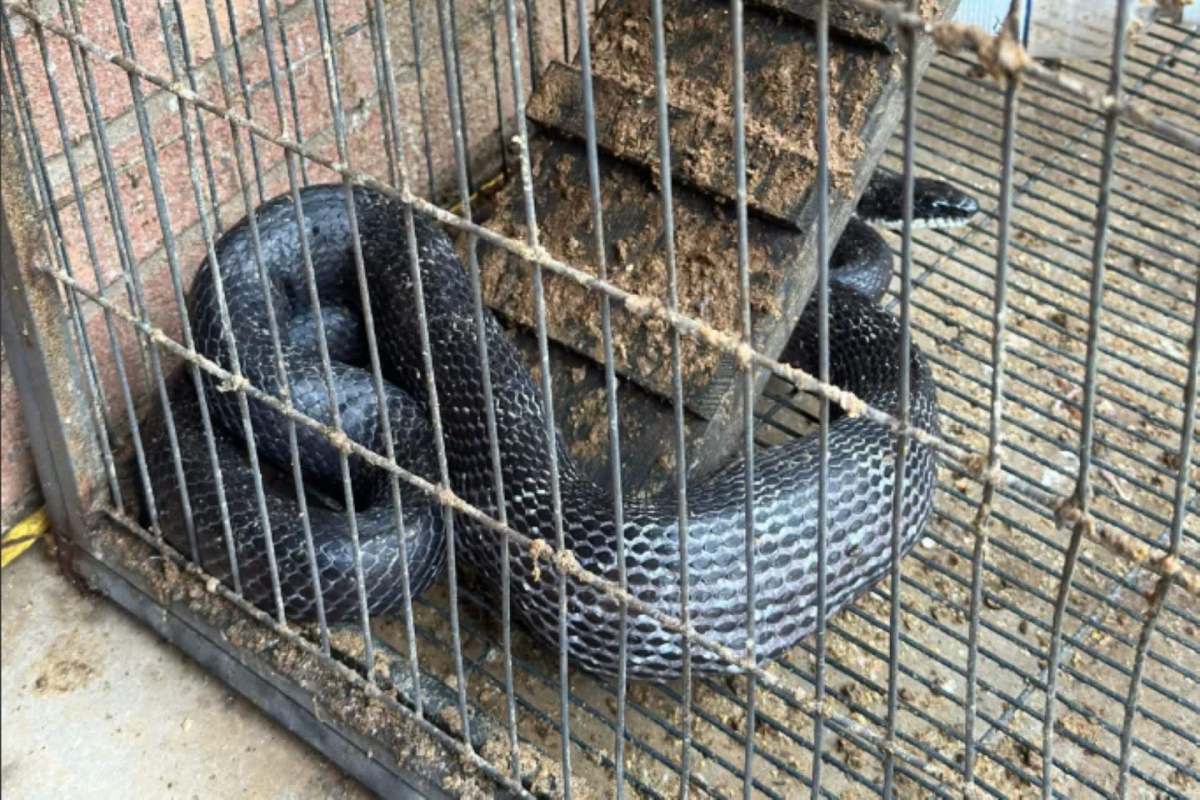
A North Carolina homeowner drew attention online after sharing that a large snake had entered their chicken coop in search of a meal. The post included photos of a noticeably large bulge in its body, serving as evidence of the encounter.
What happened?
Posting on Reddit, the user included photos of the snake and asked commenters to help identify the species, noting that it had eaten one of their chickens.
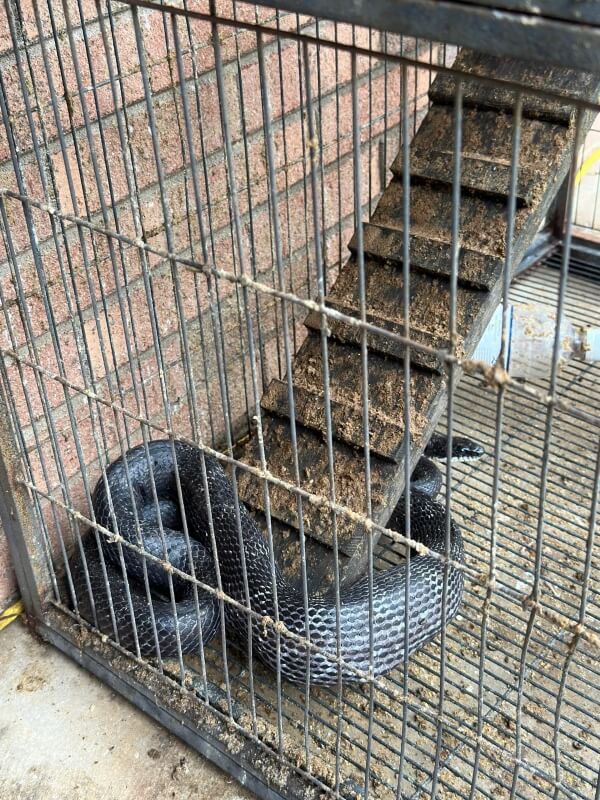
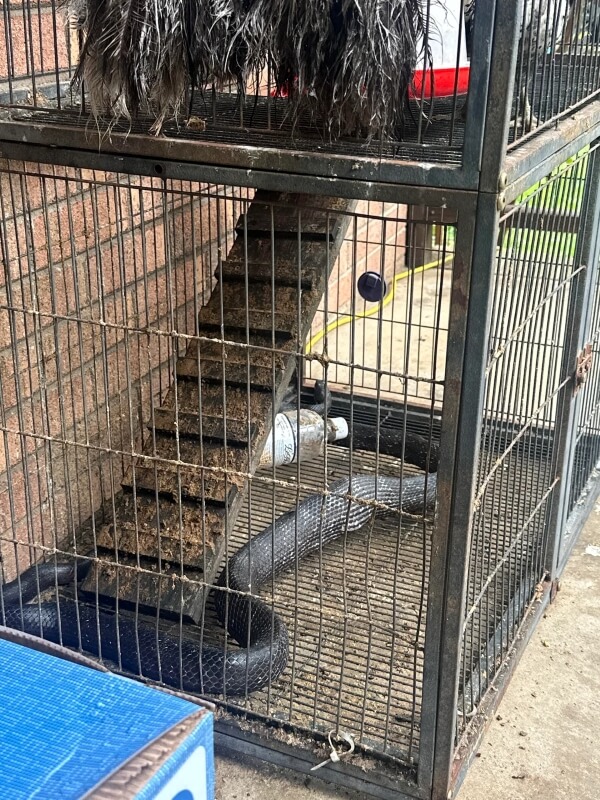
A user in the comments identified the animal as a central ratsnake, a nonvenomous snake that is harmless to humans but preys on eggs, chicks, and other small poultry.
One commenter added: "That's probably the biggest rat snake I've ever seen. He's harmless to you but obviously not for your chickens."
Many replies advised the owner to relocate the snake and make the coop more secure.
Why does it matter?
A chicken coop can become an easy target for predators when gaps or weak points let animals get inside, because it concentrates birds, eggs, and feed in one place.
TCD Picks » Quince Spotlight
💡These best-sellers from Quince deliver affordable, sustainable luxury for all




For rat snakes, the attraction is not limited to chicks and eggs. Rodents that gather around feed can also draw them in.
In cases like this, some see killing a snake as a fast solution, but it can create other problems. Rat snakes help keep rodent numbers down, which can reduce feed loss and other issues around sheds, homes, and farms.
As people keep animals outdoors near wildlife habitats, such encounters are likely to become more frequent. In many situations, better prevention works more effectively than punishing the predator after the fact.
What can I do?
The main advice from the Reddit thread was to reinforce the coop itself.
One commenter wrote: "To keep chicken and egg eating snakes out of the coop, wrap it in 1/4 inch wire."
Owners can also make the area less attractive by cleaning up spilled feed, storing food securely, and checking for any route a predator could climb, squeeze through, or force open. A snake that has recently eaten may also move slowly and may not leave quickly on its own.
If you spot a snake in or around a coop, the safest choice is usually to stay back and call a local wildlife professional or animal control officer, especially if you do not know what species it is. Laws on handling and relocation vary, and moving a snake improperly can injure it.

Get TCD's free newsletters for easy tips, smart advice, and a chance to earn $5,000 toward home upgrades. To see more stories like this one, change your Google preferences here.







