


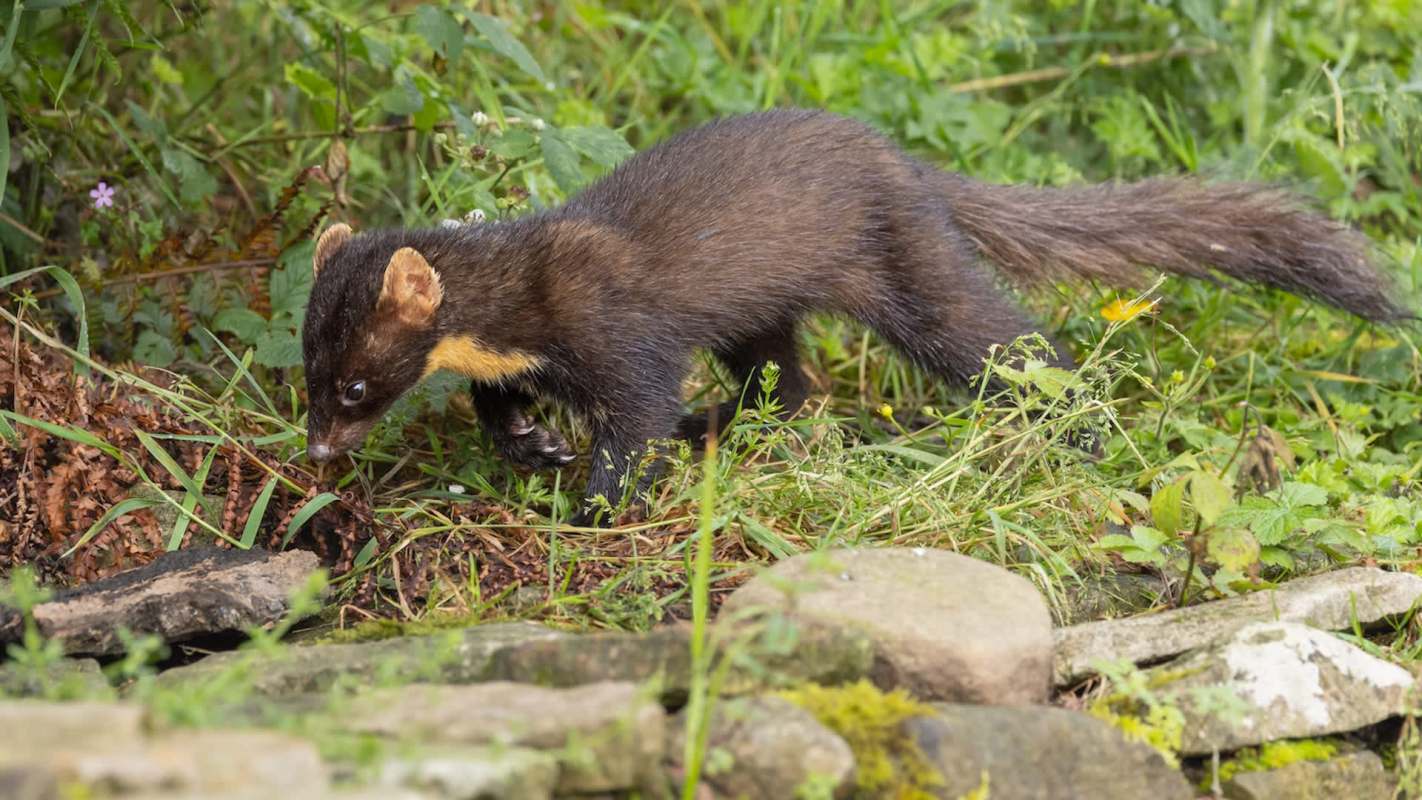
A Sussex homeowner got an extraordinary surprise while having his morning coffee: a critically endangered pine marten wandered into his back garden.
What happened?
On Sunday, Worthing resident Andrew noticed the animal among his flower beds and managed to snap a couple of photographs before it vanished.
Sussex Wildlife Trust said the last recorded sighting in the area was in Woolbeding in 1923.
Recalling the moment to the BBC, Andrew said: "I was having my morning coffee when I saw something but wasn't exactly sure what it was. It was just sitting there on the path minding its own business and enjoying the sunshine."
He said foxes and squirrels are regular visitors to the garden, "But it was the first time for anything as unusual as this."
In the photos Andrew took, the pine marten — a weasel relative about as big as a small cat — is standing on a garden path.
TCD Picks » Quince Spotlight
💡These best-sellers from Quince deliver affordable, sustainable luxury for all




Calling the encounter "magical and completely unexpected," Andrew added: "It was there long enough for me to grab my phone and take a few photos, but then it scurried away."
Why does it matter?
Once common across Britain, pine martens saw their numbers fall sharply because of hunting and the loss of woodland habitat.
The return of native species can indicate healthier local ecosystems, better-connected habitats, and conservation efforts that are starting to succeed.
That makes any confirmed pine marten sighting significant in England and Wales, where the species is critically endangered, especially in an area where it has been missing for a century.
The animal was identified by Sussex Wildlife Trust from its distinctive cream-coloured "bib-shaped" chest marking.
Dr. Louisa Mamalis, the trust's monitoring and evidence manager, said the trust is working with several other conservation groups on the South East Pine Marten Restoration Project, which is studying whether the mammals could live and prosper if brought back to Sussex.
What are people saying?
Andrew said the animal "seemed fairly confident, which made me wonder if it has been exposed to humans before."
Mamalis said pine martens are "really slow breeders, which makes this a really beautiful and special thing to see."
She added: "There's plenty of potential there, but maybe this little one has already beaten us to it."

Get TCD's free newsletters for easy tips, smart advice, and a chance to earn $5,000 toward home upgrades. To see more stories like this one, change your Google preferences here.







