


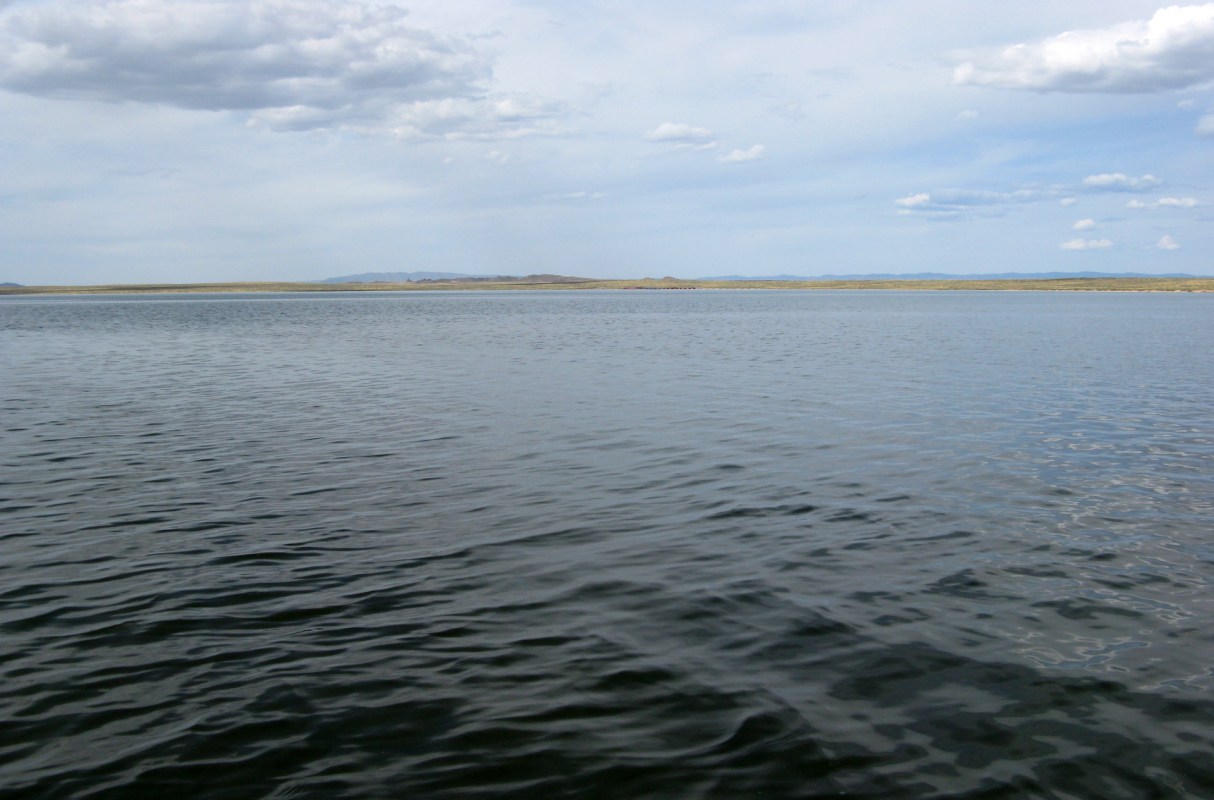
Holloman Lake: a lesson in waste management.
Holloman Lake, located on Holloman Air Force Base in New Mexico, was closed to public use earlier this month. Dangerous levels of "forever chemicals," called per-/polyfluoroalkyl substances (PFAS), have been found within the previously accessible waters.
What's happening?
Las Cruces Sun News outlines how "a 2024 environmental report by the New Mexico Environment Department revealed record-breaking levels of PFAS concentrations in plants and wildlife at Holloman Lake. The report showed the highest PFAS levels ever recorded in any wild animal and plant worldwide."
According to researchers at the University of New Mexico, the cause of such contamination is a foam that had been utilized by the nearby base, after which the chemical compounds would run off into Holloman Lake.
These high levels pose a significant risk to the population surrounding the lake, as even the immediate soil near the lake has been confirmed to contain abnormal amounts of these harmful chemicals.
Why is this important?
The effect that forever chemicals can have on people's health and quality of living cannot be understated.
TCD Picks » Quince Spotlight
💡These best-sellers from Quince deliver affordable, sustainable luxury for all




New Mexico Health reported on the dilemma: "Potential health risks associated with exposure to PFAS include … increased cholesterol levels, reduced birth weight, kidney and testicular cancer, pregnancy-induced hypertension, [and] liver enzyme changes."
The surrounding environment of Holloman Lake has been heavily altered by the PFAS, with "all the samples collected at Holloman Lake, whether water, soils, plants, algae, or animal tissues had very high PFAS concentrations (up to 120,000 ng/g in the liver of a kangaroo rat), up to 10,000 times or more the EPA's drinking water standards."
This is an extreme case of what can happen to both people and the environment around them when where waste ends up is not taken into account. Without preventative measures, chemicals like PFAS can become a consistent, troubling issue.
What's being done about this?
Measures have been taken to mitigate further damage to those affected by Holloman Lake.
|
Do you worry about having toxic forever chemicals in your home?
Click your choice to see results and speak your mind. |
 Majorly 😥
 "U.S. Air Force Col. John Ethridge … changed access because of the risks to public health and safety …," according to Las Cruces Sun News.
Even better, the lake does not affect people's access to water — wells do. Those who live in Holloman consistently use PFAS-tested wells to get their drinking water, with the knowledge that what they are putting into their bodies is forever chemical-free. Researchers have even begun to develop a game-changing device to combat dangerous toxins in the water supply.
It is important to take waste into account when using chemicals, even in everyday life. Taking a look at which soaps you use, where you toss your old batteries, and how you dispose of non-reusable containers can help contribute to better management of waste both in communities and the environments around them.

Join our free newsletter for good news and useful tips, and don't miss this cool list of easy ways to help yourself while helping the planet.







