


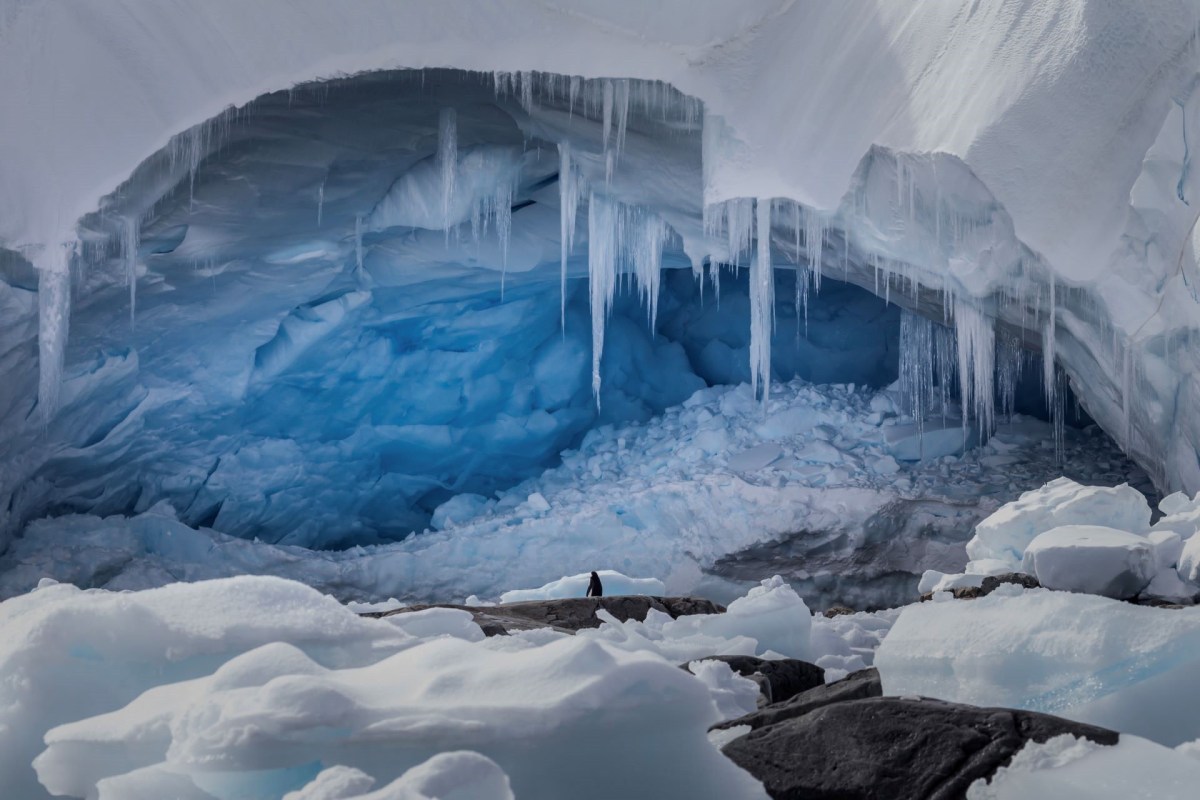
Scientists are investigating a "whodunnit" scenario involving an Antarctic glacier that rapidly retreated about 16 miles between 2022 and 2023.
What's happening?
The Hektoria Glacier melted significantly between January 2022 and March 2023, according to the BBC. Researchers have been trying to figure out the cause of such intense loss. A new study suggested that this was the first instance of a glacier resting on a seabed destabilizing so quickly.
Hektoria has been deteriorating since 2002, when the ice shelf Larsen B collapsed. Ice shelves typically keep glaciers from flowing into the ocean, according to UC Davis scientists. Sea ice eventually formed to restabilize the structure, but it recently broke up. That's when this recent ice loss, the most significant that Hektoria has endured, occurred.
Scientists are divided about whether the lost ice from the front of the glacier was affixed to the seabed or was floating. Some disagree with this recent study, arguing that the grounding point of Hektoria — where it meets the seabed — is unknown.
"While we disagree about the process driving this change at Hektoria, we are in absolute agreement that the changes in the polar regions are scarily rapid, quicker than we expected even a decade ago," Anna Hogg, professor of Earth observation at the University of Leeds, told the BBC.
Why is determining the cause of this melt important?
If these researchers are correct, sea levels are at risk of rising faster if this kind of melting continues throughout Antarctica. This exacerbates the effects of extreme weather events, which have been supercharged due to warming global temperatures. For example, coastal communities are at increased risk of flooding due to these two issues converging.
TCD Picks » Quince Spotlight
💡These best-sellers from Quince deliver affordable, sustainable luxury for all




As glaciers across the world continue to melt, the water supply of millions is also threatened. This ice is typically a boon for downstream communities during the drier summer months. These people have been understandably concerned about losing access to much-needed water.
What's being done about melting glaciers?
While they may disagree on certain research, scientists continue to monitor the deterioration of Antarctic glaciers. Their work gets us closer to understanding how and why this critical ice is melting.
The best thing that individuals can do is educate themselves on critical climate issues impacting their communities. This way, we can all take action to curb planet-warming behaviors and preserve a healthier future for everyone.
|
Do you think we should be trying to pull pollution out of the atmosphere? Click your choice to see results and speak your mind. |
 Absolutely 👍
💰Get TCD's free newsletters for easy tips to save more, waste less, and make smarter choices — and earn up to $5,000 toward clean upgrades in TCD's exclusive Rewards Club.







