


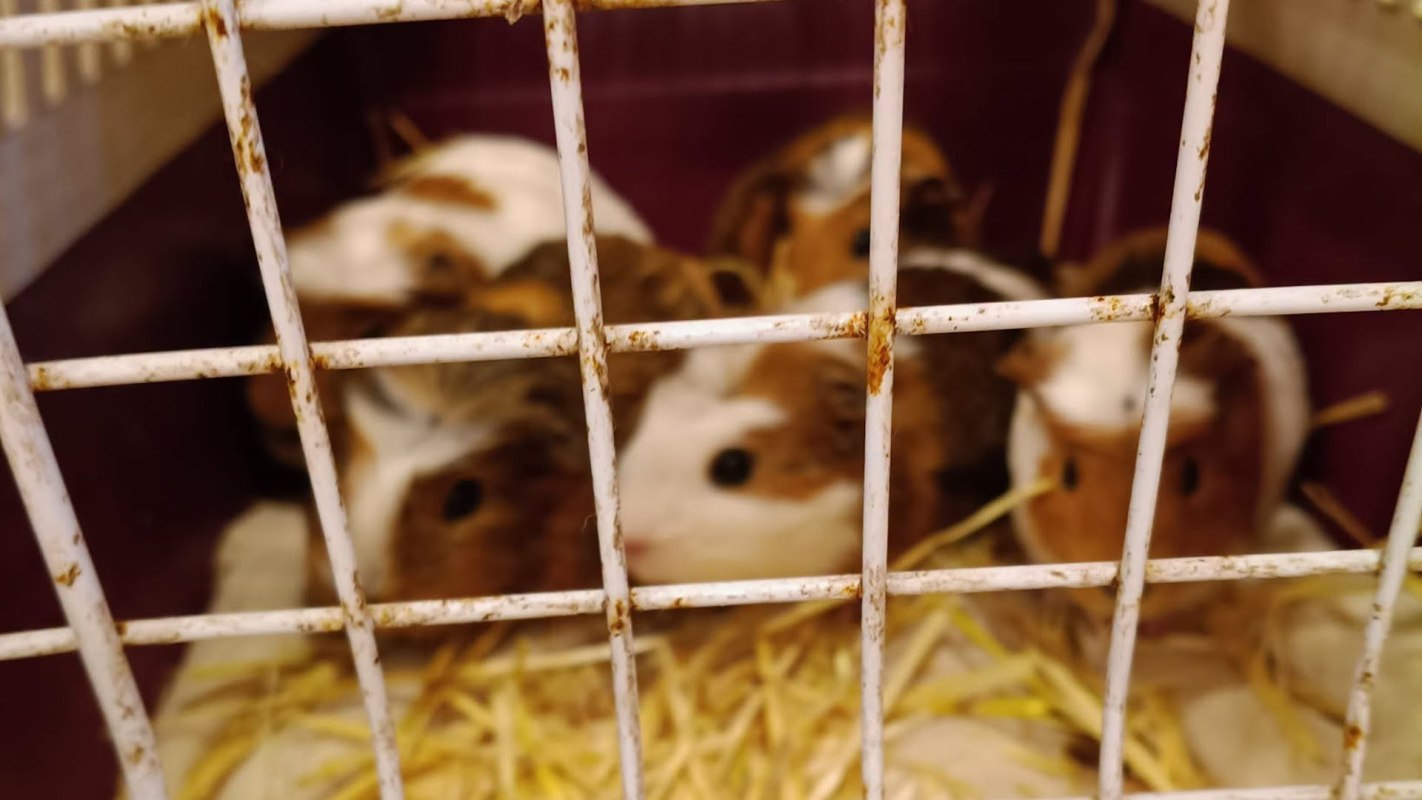
The Royal Society for the Prevention of Cruelty to Animals in England and Wales is making a "desperate" appeal for foster carers after removing 120 guinea pigs from a home in England. Some of the rescued animals have already given birth.
Here's what to know
RSPCA branches and centers worked with Cambridgeshire-based Woodgreen Pets Charity on the rescue, dubbed "Operation Guinea Pig." The BBC reported that the owner could no longer manage the growing number of animals.
The RSPCA spread care for the adults and newborns across several locations. Its Milton Keynes and South Buckinghamshire branches received 21 and 10 guinea pigs respectively, while Cambridge took in 69. Additional centers also took animals.
Four guinea pigs were euthanized, although the charity said most were healthy. The owner was allowed to keep some of the animals.
RSPCA Animal Rescue Officer Maya Thakrar said the situation did not involve deliberate cruelty.
More background
Many of the rescued females were pregnant, so the RSPCA expects to have more guinea pigs to care for.
TCD Picks » Quince Spotlight
💡These best-sellers from Quince deliver affordable, sustainable luxury for all




Louise Norman, a small animal sanctuary operator and an RSPCA volunteer in Buckinghamshire, said, "On the day they arrived, one baby was born and she weighed 100 grams (3.5oz) - thankfully she was mum's only baby."
"We do, however, strongly suspect that all the females are pregnant — and some of the girls are only eight to 10 weeks old," she added.
What's being done?
Taking in so many animals with little warning has left RSPCA branches needing additional foster carers.
Rosemary Rodd, treasurer of the charity's Cambridge and District Branch, thanked volunteers and foster carers.
"We are so grateful to our amazing team of volunteers and fosterers who all rallied to our cry for help and enabled us to help so many of these little ones," she said. "Our branch took 69 in total, but the numbers are already starting to increase as one foster carer has already reported the birth of some babies."
The charity arranged same-sex pairs for the guinea pigs left with their owner to prevent any more breeding.
Thakrar said, "As with many multi-animal rescues, this was not a case of deliberate cruelty — but something we are seeing far too often when people are overwhelmed unintentionally by not neutering early enough."

Get TCD's free newsletters for easy tips, smart advice, and a chance to earn $5,000 toward home upgrades. To see more stories like this one, change your Google preferences here.







