



A new homesteader in North Wales, U.K., is asking if a small piece of land supports enough wild rabbits to provide a modest food source.
What's happening?
On Reddit, the conversation encompassed wishful thinking and practical habitat advice.
The Reddit user said rabbit numbers on their newly acquired "three acres in north wales, U.K." are still low, but they hoped their collie would help keep away predatory foxes.
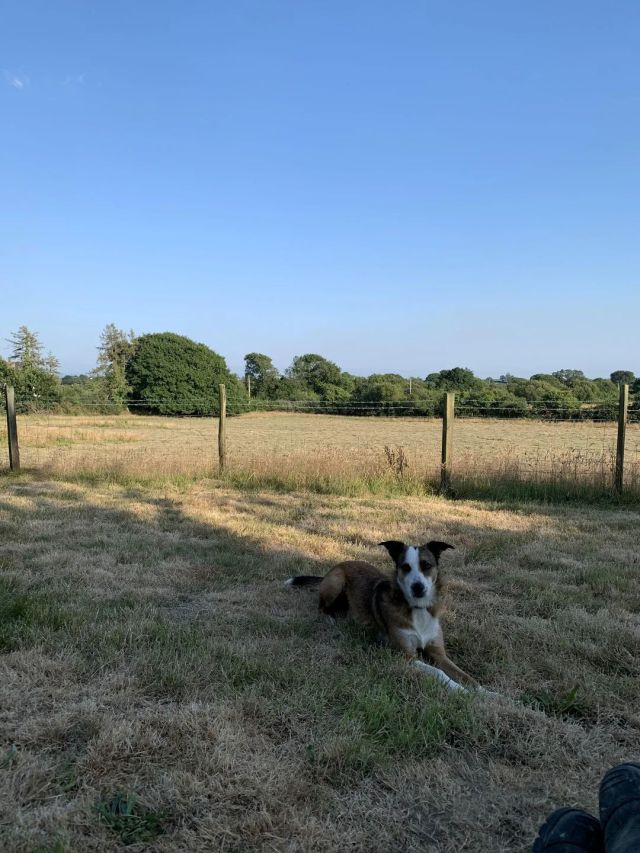
They said they regularly spot only a few rabbits on their own land, even though there are more in the surrounding fields. Since that is not enough to take any for food, they asked whether boosting the population is realistically possible.
Commenters largely centered their advice on making the property more usable for rabbits.
One person said, "For increasing numbers, brush piles are your friend. Rabbits need cover more than anything, especially with stoats around."
TCD Picks » Quince Spotlight
💡These best-sellers from Quince deliver affordable, sustainable luxury for all




"Look up their preferred local forage in different seasons and plant that," another commenter wrote. "Grow some tall native grasses inside your property and fence it so your dog can't get them, so they have a place to keep their young safe."
The OP also clarified, "Not at all point yet where we can actually get livestock in as we're not living there when doing renovations hence wanting a passive way to increase their number."
Why does it matter?
For many new homesteaders, the appeal of wild game can include lower food costs, greater self-reliance, and a closer relationship with the land.
On a small property, habitat improvements may help attract wildlife, but they may not create the kind of stable population needed for regular harvesting.
A few rabbits each year could help supplement meals, but they are unlikely to replace store-bought protein for most households.
Even with habitat work, some of the biggest constraints may lie outside the owner's property, as Reddit commenters pointed out, from predators and dogs to nearby landowners who may not want more rabbits spilling into adjacent fields.
What can I do?
A habitat-first plan is likely the most practical option. Piles of pruned branches and other cutback material can offer shelter, while native grasses and rabbit-friendly forage may provide both food and cover across the seasons.
Success may depend as much on the surrounding land as on anything planted at home. And a passive system on a small plot may offer some enjoyment and a little food, but not much certainty.
The OP seemed content with that tradeoff: "I like having them around as they're fun to watch and I like eating them so win win."
Another commenter shared, "Passive farming on that scale probably means getting 2-3 a year max, more of a occasional treat than reliable food source."

Get TCD's free newsletters for easy tips, smart advice, and a chance to earn $5,000 toward home upgrades. To see more stories like this one, change your Google preferences here.







