


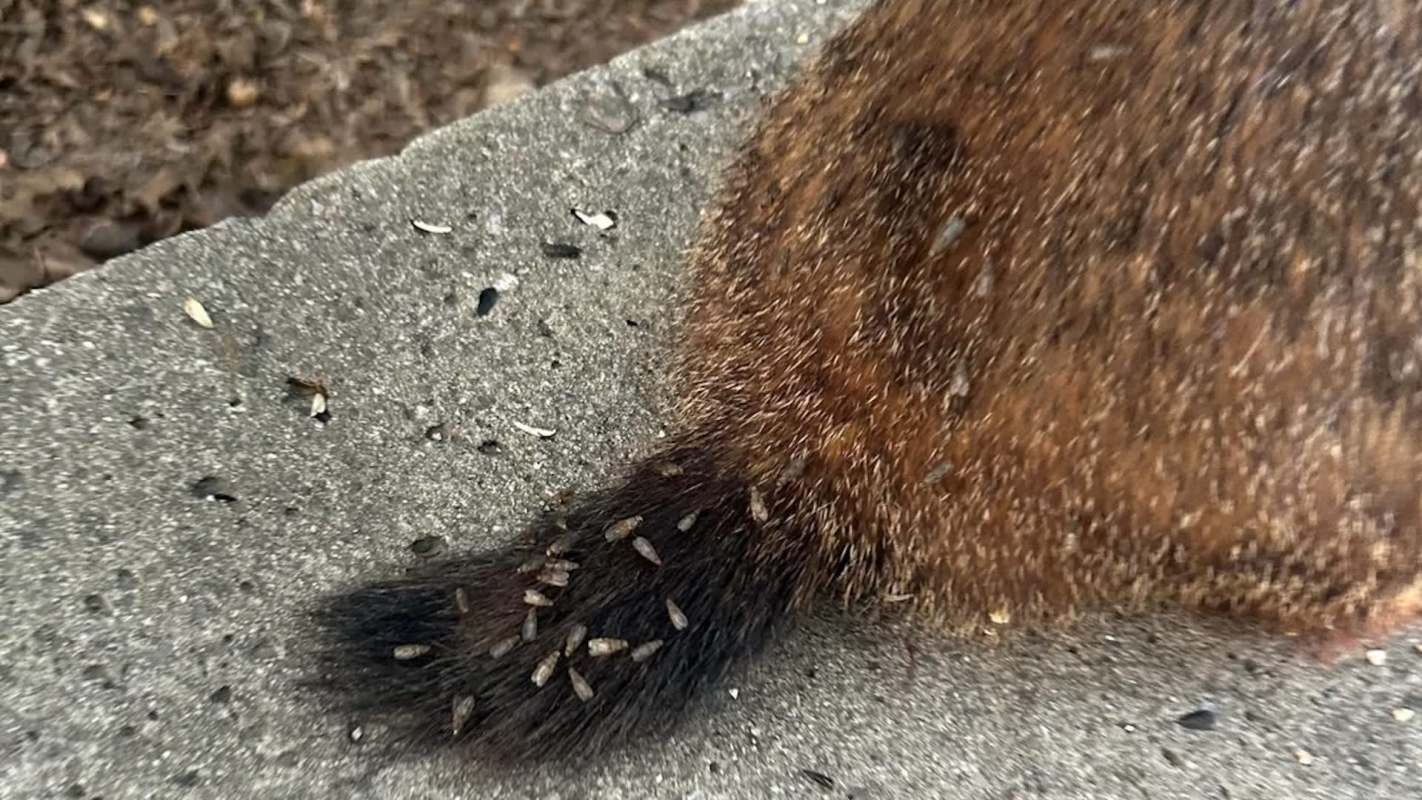
Photos posted from southern Ontario showed a groundhog that did not appear sick or injured, yet one part of the image stood out: several fly-like insects were clustered around its tail. The odd scene prompted questions online about whether the bugs were merely a nuisance or a sign that something was wrong.
Here's what to know
According to the Reddit post, the animal showed no obvious distress: "The groundhog seems active and healthy, but didn't seem bothered by the swarm of flies on her."
The user said the photos were less clear than they wanted because "I tried getting a clearer shot, but the groundhog kept moving around."
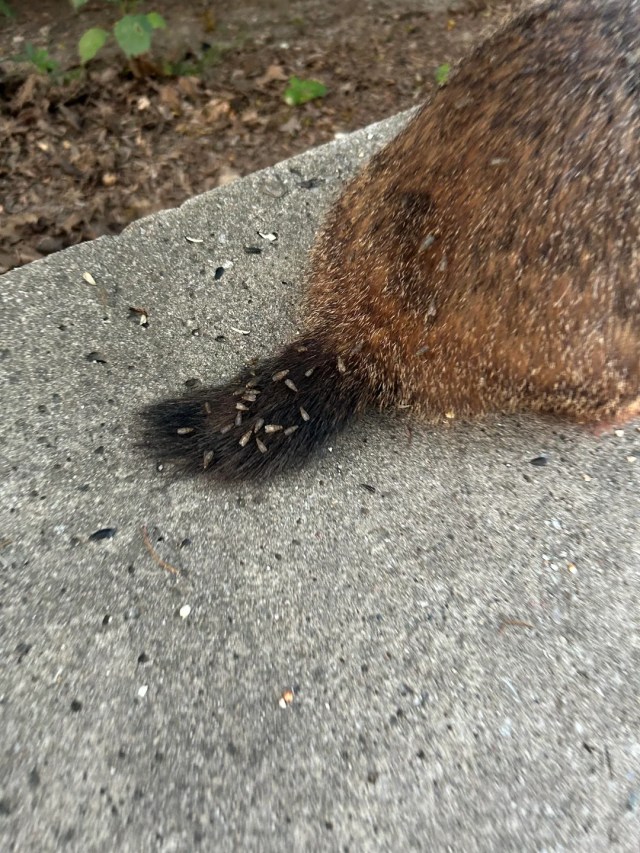

By the end of the discussion, nobody had confidently named the insects. The OP even went back and added, "is anyone actually gonna ID the flies?" but the question still went unanswered.
Replies split between a benign explanation and a more serious one.
One user said, "If they are all adult flies there is probably no issue... If there are maggots, that can indicate a more serious issue."
TCD Picks » Quince Spotlight
💡These best-sellers from Quince deliver affordable, sustainable luxury for all




Another suggested, "Could be the beginning of flystrike. Flies can be attracted to an open wound, or animal waste and start festering there."
More background
Groundhogs are common in many neighborhoods, work sites, and semi-rural areas across Canada and the U.S., meaning people often get unusually close looks at them.
That familiarity can make the animals seem less wild than they are, while also leaving bystanders unsure when, or whether, they should step in.
As human activity pushes wildlife and people into closer contact, everyday encounters can reveal health issues, stress, or hygiene problems that might otherwise go unnoticed. Landscapes shaped by roads, lawns, buildings, gardens, and food waste also influence how animals live and where insects gather.
While the OP described the groundhog as active and unconcerned, one person in the thread said they had seen something similar before: "We have a friendly groundhog at work, the same flies are on its tail! Never seems to be bothered so we don't think much of it either."
Users also pointed out that flies can be drawn to feces, wounds, or decaying tissue. What looks like a minor issue could be nothing at all — or it could warrant closer attention if the animal starts acting lethargic, injured, or distressed.
What can be done?
The safest response is usually to observe from a distance. If a wild animal is moving normally, eating, and not obviously injured, disturbing it may do more harm than good.
There are a few clear red flags to watch for: visible wounds, maggots rather than adult flies, trouble walking, severe hair loss, or an animal that appears weak or unusually approachable. Those are the kinds of signs that may justify contacting a licensed wildlife rehabilitator or local wildlife center.
People can also reduce the chances of attracting both wildlife and insects by securing trash, cleaning up pet waste, and avoiding intentional feeding. Human-created food sources and altered habitats often make these encounters more common — and more confusing.
The OP also said, "This is a local friendly groundhog. I wasn't sure if I should call a wildlife centre because the groundhog seems unfazed by the flies ... Couldn't find much info on if this is normal or not, so I wanted to see what kind of bugs they were first. I hope it isn't anything like a fly strike."
Where can I learn more?
Unexpected wildlife encounters can make it hard to tell what's normal and what might be a warning sign. Cases from Ontario, Chicago, and other neighborhoods show how quickly an ordinary sighting can turn into a bigger question about safety and coexistence.
• In Napanee, Ontario, residents described uncanny encounters with massive cougar-like animals near homes.
• In city neighborhoods, typically harmless city wildlife can suddenly become the source of alarming confrontations.
• Near Chicago, an unusual event unfolded when a coyote appeared in a residential area.
As wild animals keep showing up in familiar places, those questions are only becoming more common. Knowing when to keep your distance and when to call for help can make everyday sightings a lot less confusing.

Get TCD's free newsletters for easy tips, smart advice, and a chance to earn $5,000 toward home upgrades. To see more stories like this one, change your Google preferences here.







