


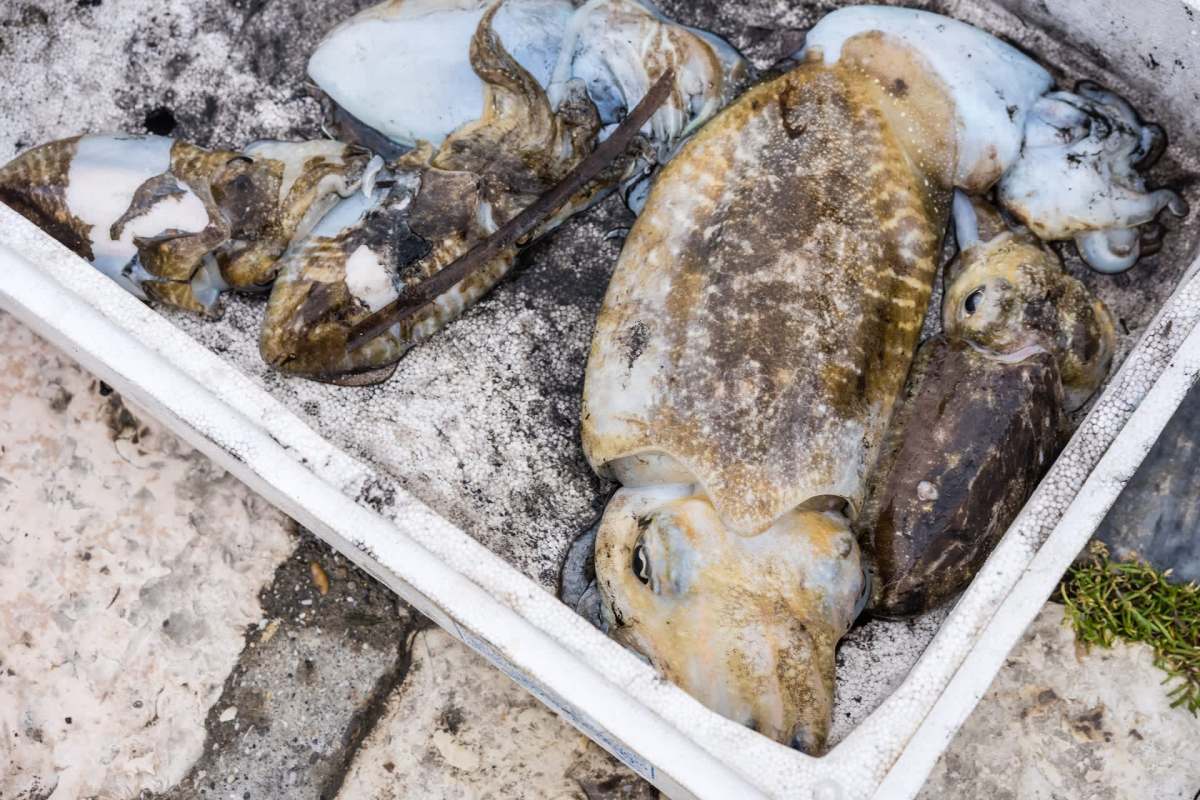
A fishing boat stranded at Point Reyes National Seashore is no longer leaking fuel, but the cleanup is still far from finished as crews are now dealing with 50 tons of dead squid still aboard the vessel.
Here's what to know
Cleanup work continues at North Beach after the 58-foot Lake Bay ran aground. Even though its fuel and oil have already been removed, there remains a massive quantity of dead squid still on board, according to the San Francisco Chronicle.
In an update, the U.S. Coast Guard said the boat has been repositioned outside the active surf zone, which lowers the immediate pollution risk. The agency said the mission has now moved from emergency pollution response into salvage and recovery.
That change came after crews took about 1,400 gallons of diesel off the vessel, along with 175 gallons of hydraulic and lubricating oil, the Chronicle reported. The recovered petroleum was put into containers for disposal rather than left to leak into the surrounding marine environment.
More background
The grounding happened at a national seashore, where protecting coastal habitat, wildlife, and public shoreline access is a major priority. Even after the most urgent fuel danger has been addressed, a damaged vessel and decaying cargo has kept recovery crews busy much longer than expected.
What was once a commercial seafood catch becomes a disposal problem as food must be safe for human consumption before it can be donated, redirected, or shared. In a situation involving a grounded vessel, prolonged exposure, contamination concerns, and decomposition can make that impossible.
TCD Picks » Quince Spotlight
💡These best-sellers from Quince deliver affordable, sustainable luxury for all




There are also broader costs that do not show up in the cargo hold alone, including the labor, fuel, equipment, and emergency response required after an accident like this.
What's being done?
Now that the vessel's diesel and oil can no longer pollute the coast, the operation is now focused on salvage and recovery, including the dead squid still left aboard. Because seafood can only be redirected when it is safe, disposal is likely the only practical outcome.
The clearest solutions are prevention and preparedness. Commercial operators can reduce the odds of this kind of loss through stronger vessel safety practices, maintenance, route planning, and emergency coordination that helps protect both the coastline and the cargo.

Get TCD's free newsletters for easy tips, smart advice, and a chance to earn $5,000 toward home upgrades. To see more stories like this one, change your Google preferences here.







