


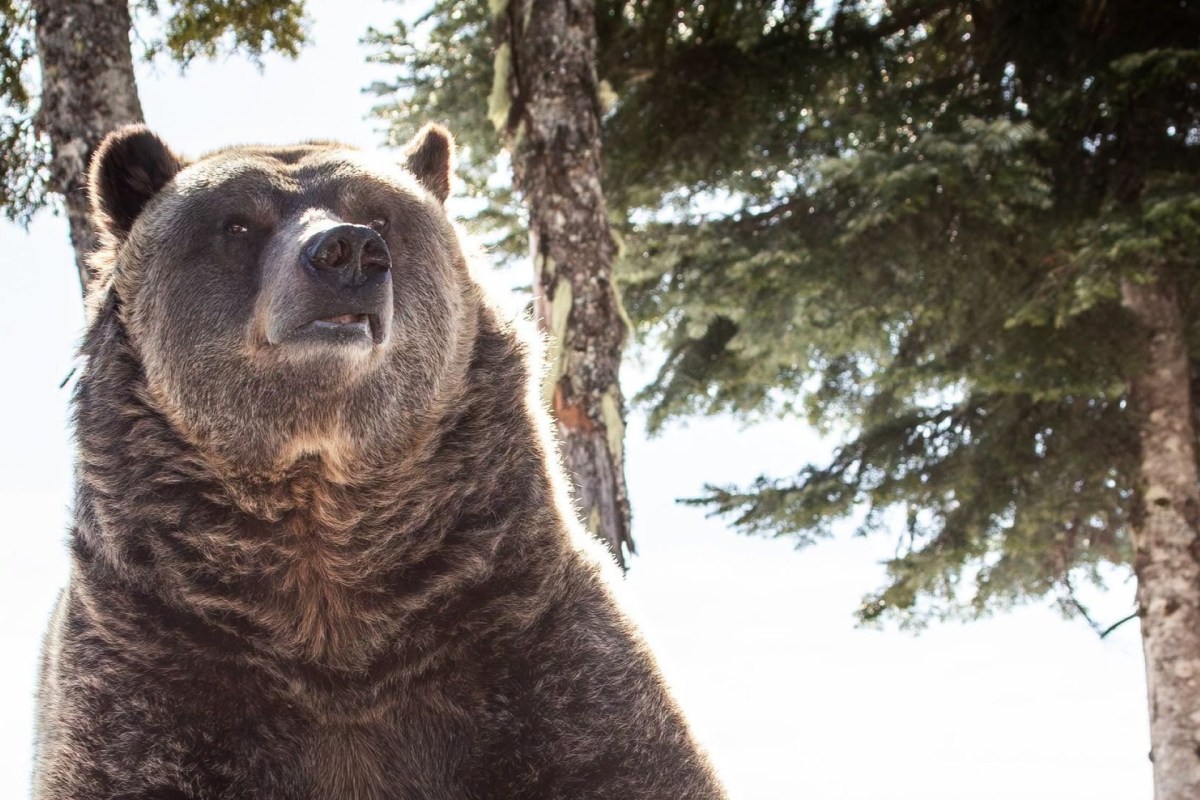
A grizzly bear that began life as a starving orphan on a British Columbia logging road became one of Canada's most recognizable rescued animals and a powerful reminder of how much people value opportunities to protect wildlife.
However, CBC News reported Grinder, the longtime resident of the Grouse Mountain Wildlife Refuge, died at age 25 after his care team determined his quality of life had declined too far.
What happened?
Grinder was found near Invermere, British Columbia, in 2001 and taken to the refuge after being discovered as an orphaned cub, the outlet said. He later shared the enclosure there with another rescued grizzly, Coola, for the rest of his life.
Veterinarian Ken Macquisten, director of Grouse Mountain Wildlife Refuge, said staff noticed a rapid decline after hibernation. What began as stiffness turned out to involve a spinal problem connected to a limp in Grinder's left hind leg, CBC News reported.
"It very quickly over the last several days developed to the point that he just was not even able to stand and use his hind legs at all," Macquisten told the outlet.
A Grouse Mountain resort statement said the team chose a humane passing because they saw "no realistic path to recovery or return to acceptable quality of life," per CBC News.
TCD Picks » Quince Spotlight
💡These best-sellers from Quince deliver affordable, sustainable luxury for all




"I've held Grinder in my hands and been able to pick him up and, and then today, very sad day, was able to say goodbye to him," Macquisten added.
Why does it matter?
Grinder's story showed what long-term rescue and care can look like for a wild animal that otherwise might not have survived. Many people visited the refuge over the years to watch Grinder and Coola.
The refuge added in their statement that "alongside fellow rescued grizzly bear Coola, [Grinder] helped educate guests from around the world about grizzly bears and the importance of protecting wildlife."
Macquisten also emphasized to CBC News that the bears' appeal came from simply being themselves.
"These bears could care less that you're here or not," he told the outlet. "They're going to do whatever they wanted that day. And we get to witness and watch them."
What's being done?
Wildlife refuges can play a role when an animal cannot return to the wild. Grinder's rescue as a cub led to years of protected care at the refuge, where he lived safely while helping the public learn more about grizzlies.
Macquisten shared with CBC News that Grinder remained strong-willed throughout his life and was "the leader in everything he did." He was usually the one to tunnel out from the hibernation den first each year.
The bear did get a chance to say goodbye to Coola in his telling. Reflecting on decades with Grinder and Coola, where he observed the bears in their natural element, Macquisten concluded to CBC News: "They're so much like us."

Get TCD's free newsletters for easy tips, smart advice, and a chance to earn $5,000 toward home upgrades. To see more stories like this one, change your Google preferences here.







