


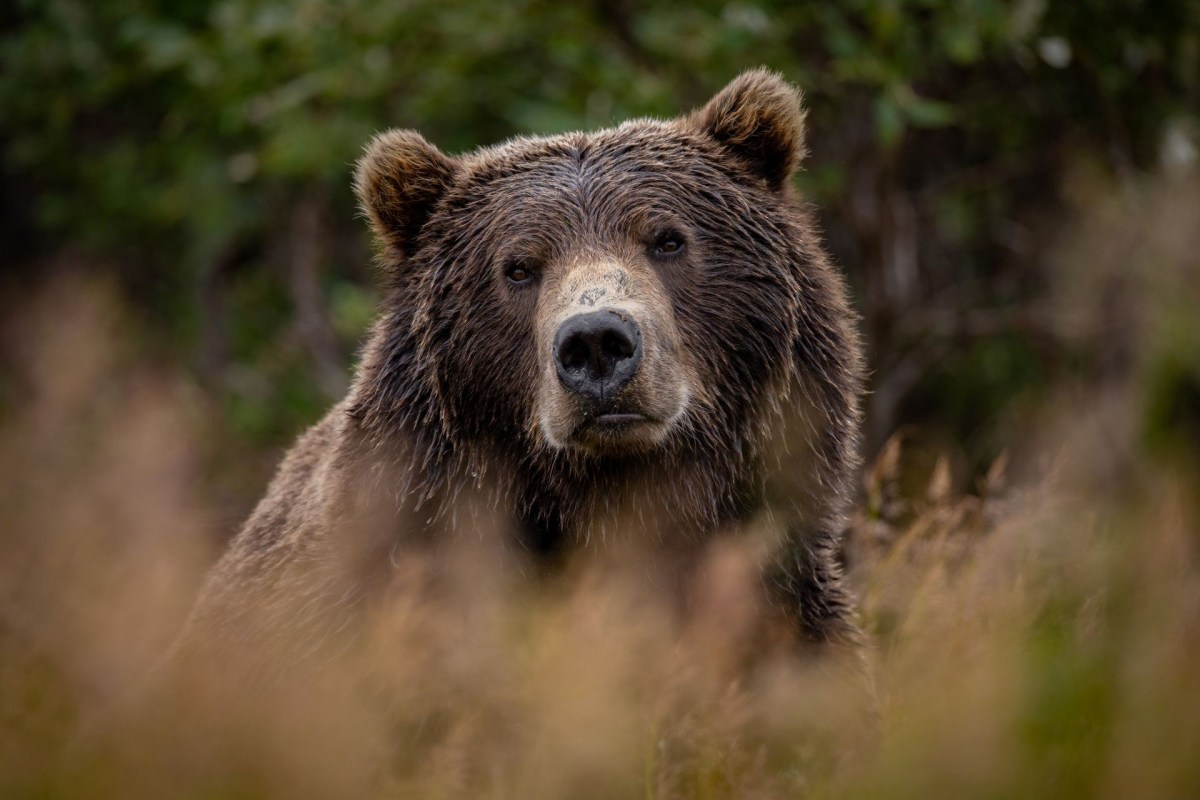
California's state animal, the grizzly bear, vanished from its wild roughly a century ago. Now, lawmakers are weighing whether the Golden State could and should bring the animal back.
The proposal under debate would not send grizzlies back anytime soon. Instead, it would ask the state to determine whether reintroduction is even a realistic option in modern California.
What's happening?
According to CalMatters, Senate Bill 1305, introduced by Inglewood Democratic Sen. Laura Richardson, would require the California Department of Fish and Wildlife to create a roadmap examining whether, and under what circumstances, grizzly reintroduction is "feasible and advisable."
The bill has kept moving forward despite objections from Republicans, ranchers, hunting groups, and some rural residents, and it is now waiting for action in the Assembly Appropriations Committee after lawmakers return Aug. 3, the outlet noted.
CalMatters reported that, before the Gold Rush, grizzlies were thought to number as many as 10,000 and lived across much of California. Settlers later systematically eliminated them, and by the 1920s the species had vanished from the state, leaving black bears as California's only remaining bear species.
Backers of the new bill include at least 40 tribes, along with environmentalists and animal welfare groups. CalMatters reported that a 2025 study by tribes, environmentalists, and university researchers found that the Klamath Mountains, Trinity Alps, southern Sierra Nevada, and parts of the Transverse ranges could potentially support between 424 and 1,713 grizzlies, with an initial reintroduction population of 25.
TCD Picks » Quince Spotlight
💡These best-sellers from Quince deliver affordable, sustainable luxury for all




Opposition, however, remains strong.
"I just don't think that our California today is ready for a grizzly bear," Republican Assembly Member Heather Hadwick said, as reported by CalMatters.
Why does it matter?
Supporters say restoring an apex predator could revive ecological processes that have been disrupted for generations, including changes in prey populations, soil health, and even wildfire resilience across some landscapes.
Tiana Williams-Claussen, director of the Yurok Tribe's wildlife department, told lawmakers, as reported by CalMatters, "I can see the ways in which my homeland has suffered from the loss of iconic species such as the grizzly, and that this loss lingers in our heart and in the attenuation of a millennia-old relationship."
Opponents, meanwhile, are focused on the human consequences. They point out that rural Californians already deal with wolves, mountain lions, and black bears, and they say another large predator could add new threats for livestock and public safety.
Elizabeth Washoe, a Native American from Modoc County, argued to CalMatters that reintroduction may also be unfair to the animals themselves. Because California is far more populated now than when grizzlies last lived there, the animals could be in closer contact with humans, creating more dangerous scenarios for people and the grizzlies alike.
What's being done?
At this stage, California is deciding only whether to conduct a study, not whether to actively reintroduce grizzlies.
Even that narrower step has practical hurdles. The bill includes no funding, and the California Department of Fish and Wildlife has said it is already stretched thin. As CalMatters noted, a legislative analysis found the agency has resources to complete just 38% of the duties it already has.
Former department spokesperson Jordan Traverso previously told Alta Journal, as reported by CalMatters, that "bringing another predator into the state that we would have to manage and come up with some program to figure out what happens when the grizzly attacks a human or kills livestock does not seem feasible for us."
Even so, supporters argue that a formal study is the right place to start. They say it would allow the state to examine habitat, public safety, livestock effects, and future conservation needs before any decision is made.

Get TCD's free newsletters for easy tips, smart advice, and a chance to earn $5,000 toward home upgrades. To see more stories like this one, change your Google preferences here.







