


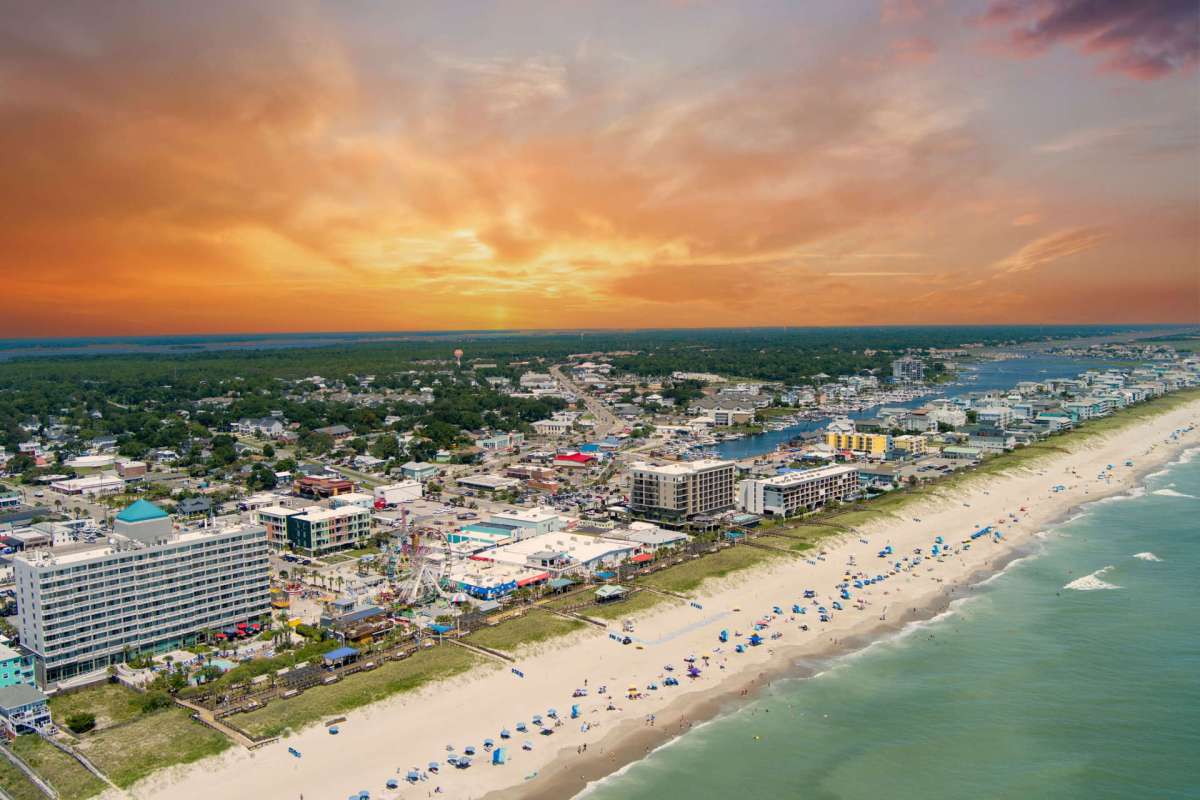
A 14-foot great hammerhead shark washed ashore twice at the north end of Carolina Beach in North Carolina. The startling wildlife encounter turned into a major beach response after tissue samples were taken to discover the cause of death.
What happened?
The shark's beaching followed an earlier report, around 3 a.m., of a great hammerhead in the surf. WRAL.
The initial sighting was reported to the North Carolina Shark Conservancy.
WECT reported that Carolina Beach Ocean Rescue joined fire and police crews in getting the animal completely onto shore.
Experts told WECT the shark was already dead when crews recovered it.
Why does it matter?
Great hammerheads are among the ocean's most recognizable predators, but they are also highly vulnerable.
TCD Picks » Quince Spotlight
💡These best-sellers from Quince deliver affordable, sustainable luxury for all




Human activity can affect wildlife even when people are not directly tied to the event. In this case, fishing activity was suspected.
Large stranded animals can still pose risks because of sharp teeth, disease concerns, or unexpected movement if they are not fully deceased.
Experts have noted that human expansion into wild spaces can increase contact between people and animals. BBC Future explains how habitat pressure and environmental change can make these encounters more likely.
What's being done?
Rescue, fire, and police personnel responded together to secure the shark and move it out of the surf zone.
Groups such as the North Carolina Shark Conservancy receive reports and help track shark activity. That information can improve understanding of local marine ecosystems and help officials respond more quickly when stranded animals are spotted.

Get TCD's free newsletters for easy tips, smart advice, and a chance to earn $5,000 toward home upgrades. To see more stories like this one, change your Google preferences here.







