


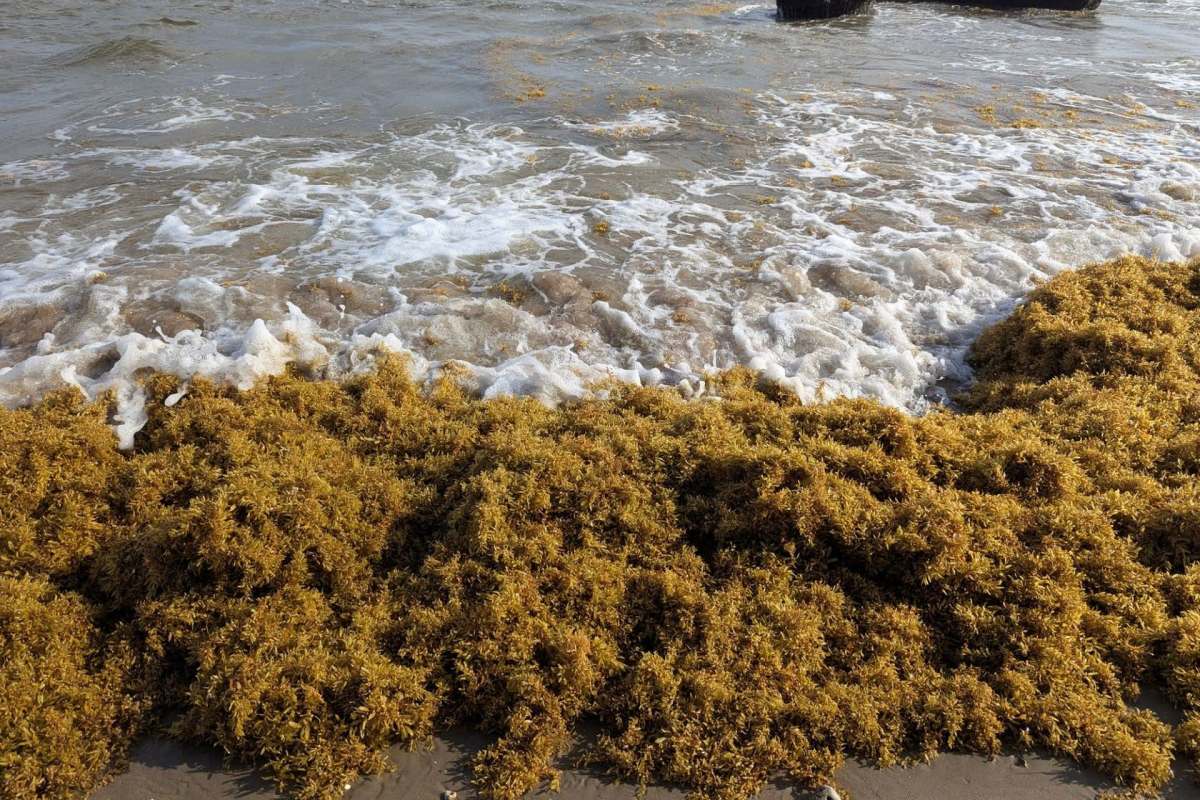
The Great Atlantic Sargassum Belt, a massive bloom of brown seaweed spanning the Atlantic Ocean, Caribbean Sea, and Gulf of Mexico, is headed for a record 2026 season, according to Popular Science.
Marine biologists warn the island-size masses of sargassum are not just getting bigger but are also forming earlier than ever before.
Researchers say the growing buildup is being driven by warm ocean temperatures and nutrient pollution, creating a cascading threat for coastal communities that can include foul-smelling air, contaminated water, and major disruptions to daily life.
In January, measurements of the Great Atlantic Sargassum Belt totaled near 9.5 million tons across the Atlantic, Caribbean, and Gulf. In 2025, it reached 37.5 million tons.
This year's early measurement is a striking total for the start of the year and an early sign that this season could outpace the last one, which set a record.
According to researchers, the changing climate is the primary driver behind the surge, while nutrient-heavy agricultural runoff is making matters worse. Popular Science also described runoff tied to deforestation in the Amazon Basin and Congo as helping drive explosive algae growth, giving the floating seaweed the conditions it needs to spread.
Get cost-effective air conditioning in less than an hour without expensive electrical work The Merino Mono is a heating and cooling system designed for the rooms traditional HVAC can't reach. The streamlined design eliminates clunky outdoor units, installs in under an hour, and plugs into a standard 120V outlet — no expensive electrical upgrades required. And while a traditional “mini-split” system can get pricey fast, the Merino Mono comes with a flat-rate price — with hardware and professional installation included. |

Once sargassum reaches shore, the risks can intensify quickly.
After about 48 hours, it begins breaking down and giving off hydrogen sulfide, infamous for its "rotten egg" odor, and ammonia gases.
For people living along affected coastlines, rotting sargassum can make entire areas hard to use or even unsafe to spend time around. Exposure to this decomposing plant can cause throat, nose, and eye irritation.
This is about far more than a stinky and messy beach.
TCD Picks » Quince Spotlight
💡These best-sellers from Quince deliver affordable, sustainable luxury for all




Too much sargassum on a beach's shore can inhibit sea turtle nesting. For those that do hatch, the sargassum can pose obstacles in making it back out to the ocean.
Dense piles of sargassum can also block sunlight and prevent native plants from germinating.
There is a broader environmental warning in this trend.
Scientists tying the seaweed boom to warmer seas and runoff from large-scale land clearing are pointing to the same pattern seen in many other ecosystem disruptions: Human-driven pollution is creating conditions that are increasingly difficult for communities to manage.
Miami-Dade County in Florida estimates that it costs around $35 million to remove sargassum from its beaches every year.

Get TCD's free newsletters for easy tips, smart advice, and a chance to earn $5,000 toward home upgrades. To see more stories like this one, change your Google preferences here.
Cool Picks






