


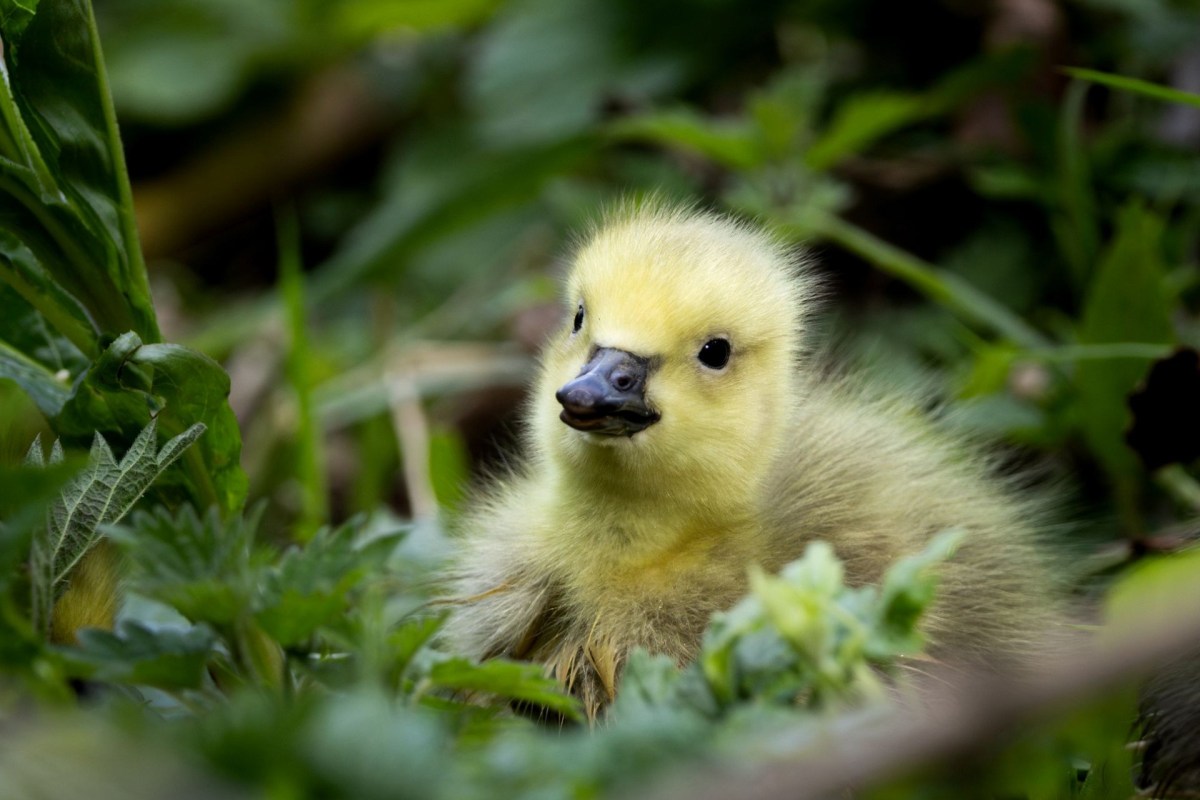
A solitary gosling in Pittsburgh's North Park stood out to rescuers because its behavior didn't match that of the geese around it.
Rather than sticking with a flock, the bird kept gravitating toward people and edging near traffic, a pattern that suggested it may have become too comfortable with humans to function safely in the wild.
Rescuers say the episode underscores an important lesson: Efforts meant to help wild animals can sometimes make their independent survival harder.
What happened?
Near Lakeshore Drive, people spotted a gosling spending time around humans, apart from other geese, and seeming to head toward the road, CBS News Pittsburgh reported.
Shannon Sapolich, a senior staff member at Wildlife Works, said the concern was flagged by volunteer Rebecca Reid, and friends who are often at the park monitored the gosling afterward.
According to CBS News Pittsburgh, the bird was drawn more to humans than to fellow geese.
TCD Picks » Quince Spotlight
💡These best-sellers from Quince deliver affordable, sustainable luxury for all




"He basically knows how to speak 'people' and doesn't really know how to talk to other geese," Sapolich said.
After the rescue, the gosling was taken to Wildlife Works in Youngwood. Staff suspected it had been human-raised after someone took it in as a very young bird or after it was orphaned.
Sapolich said that kind of exposure can habituate a wild animal, leaving it at ease around people while weakening instincts it needs to survive.
Why does it matter?
For wildlife rescuers, this case points to a common human-caused problem.
Someone may bring in a baby wild animal thinking they are helping, but human contact can reshape its behavior for the long term. For this gosling, being comfortable with people may have contributed to its separation from other geese and put it at risk from vehicles and the absence of normal flock relationships.
As Sapolich told CBS News Pittsburgh, Canada geese depend heavily on social bonds and typically stay with their families for a year or two while learning how to survive.
She also said geese are federally protected, which means keeping or rehabilitating them at home is against the law.
Trained, licensed wildlife rehabilitators can treat injured or orphaned animals in ways that avoid making them dependent on humans.
What's being done?
At Wildlife Works, staff are trying to reverse that habituation by slowly introducing the gosling to geese and other goslings.
The team is prioritizing socialization before any release, with the objective to help the bird recover normal goose behavior.
They want the gosling to settle in with a flock rather than continue to seek out people.
"The overall goal is for him to learn to speak to other geese, to fit into a flock, to learn to socialize," Sapolich said. "And then he'll be released and be able to live with a flock."

Get TCD's free newsletters for easy tips, smart advice, and a chance to earn $5,000 toward home upgrades. To see more stories like this one, change your Google preferences here.







