


Protecting endangered wildlife may sound like a matter of charity, but one new conservation program is testing whether it could work more like a paycheck. In Rwanda, that idea has given mountain gorillas something close to their own bank accounts.
According to The Washington Post, the nonprofit Tehanu, founded by former war correspondent Jonathan Ledgard, is piloting a system that creates bank accounts in the names of animals and plants so they can "spend" money on their own conservation. Ledgard argues the approach could help correct a longstanding imbalance in which human economic systems extract value from nature without directly compensating it in return.
"It's truly insane that we've built these economic systems without … understanding that we also have to reward nature for its services," Ledgard told the Post.
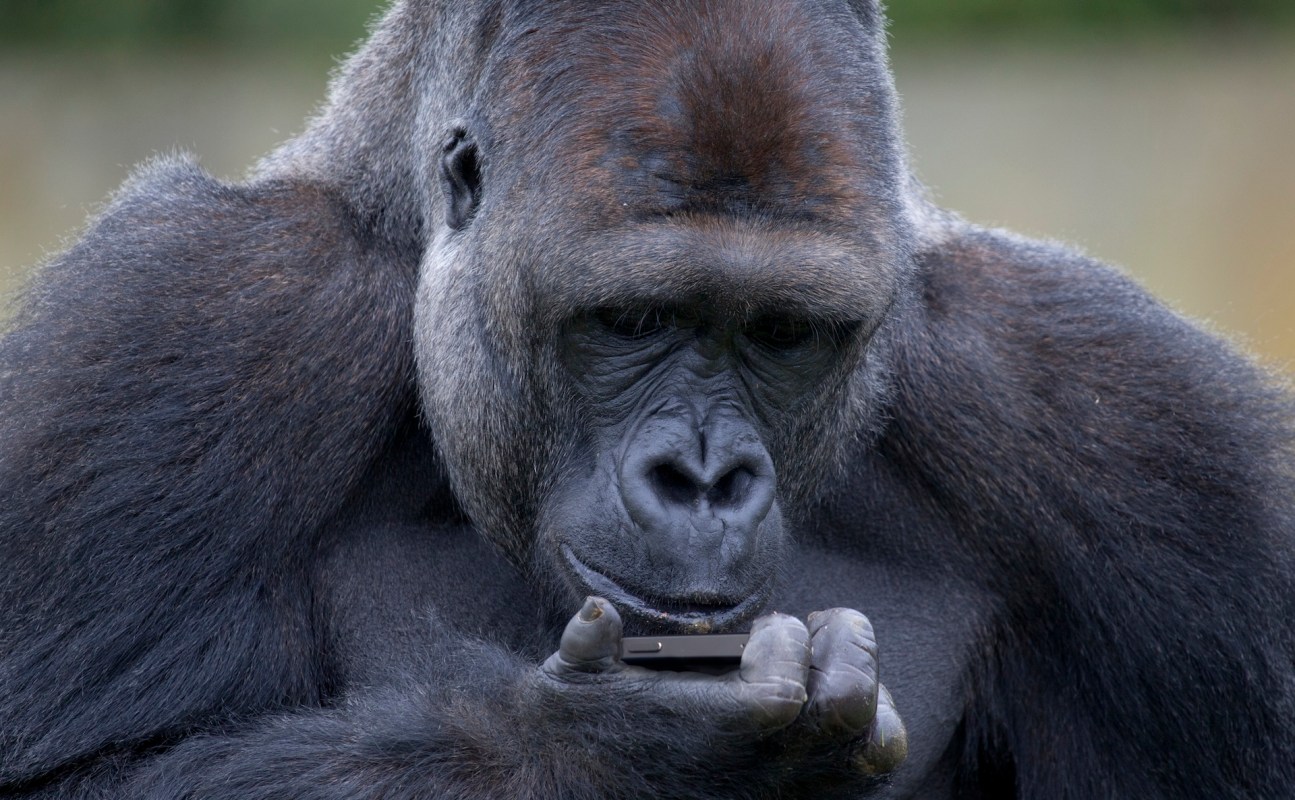
While the program looks to protect a variety of species, the first pilot centered in Volcanoes National Park, where around 350 mountain gorillas live.
Tehanu gave each gorilla a digital identity tied to its distinctive nose-wrinkle pattern, or noseprint, and followed the animals with motion-activated camera traps. Wildlife biologists and AI systems trained on scientific research then helped determine which interventions would best support the gorillas' needs.
From there, the model functions like a small conservation marketplace. When a person carries out a gorilla-supporting action, such as removing snares, joining an anti-poaching patrol, or conducting veterinary monitoring, they can receive micropayments directly to their phone.
TCD Picks » Quince Spotlight
💡These best-sellers from Quince deliver affordable, sustainable luxury for all




In August 2024, Tehanu recorded what the Post described as its first interspecies transaction: 5,000 Rwandan francs, or $3.42, sent to a local ranger after a snare was removed from a baby gorilla named Gisubizo.
While the gorillas in Volcanoes National Park are relatively well protected compared to many other species, Ledgard says most of the funding managed through Tehanu is intended for less visible but ecologically and economically critical species that receive little conservation attention or funding, such as bats and fig trees.
Ledgard told the Post that biodiversity is often concentrated in some of the world's poorest communities. In his view, expecting those communities to carry the full cost of conservation without meaningful economic support is both unrealistic and unfair.
If this kind of system proves effective, it could create a more direct financial incentive to protect habitats, especially in less wealthy communities that have high levels of natural biodiversity.
This approach has the potential to produce widespread benefits. Healthy ecosystems support cleaner water, crop pollination, seed dispersal, and carbon storage. In other words, helping species survive can also help communities strengthen local economies and protect resources that people depend on every day.
Ledgard's ambitions extend far beyond gorillas.
According to the Post, Tehanu is also considering related pilots involving Romania's ancient beech trees and straw-colored fruit bats that live in the Congo rainforest.
Still, major questions remain, with critics arguing that putting a price on nature risks turning conservation into a purely transactional system.
Regardless of the program's success, Ledgard sees the system as a transitional step as humanity's relationship with nature evolves along with technology.
"In 30 years I would expect — I would hope — that our stewardship of other species is much more advanced because we are able to understand and act upon the interests of a large number of nonhuman species in ways that we presently do not," Ledgard said.

Get TCD's free newsletters for easy tips, smart advice, and a chance to earn $5,000 toward home upgrades. To see more stories like this one, change your Google preferences here.







