


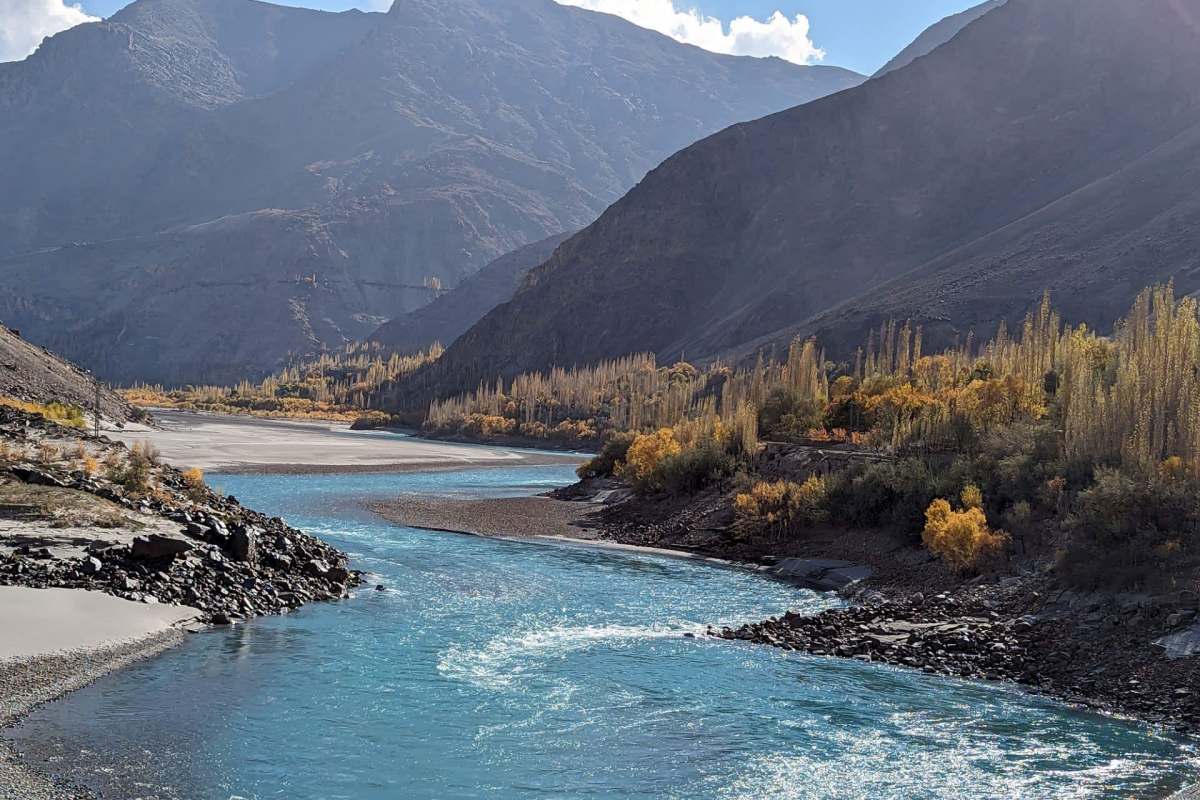
Above-average temperatures in Pakistan could cause glaciers to melt rapidly, potentially inundating communities downstream with floodwaters, Dawn newspaper reported.
What's happening?
As global temperatures increase, ancient ice formations such as glaciers are dwindling in size, as the National Oceanic and Atmospheric Administration explained.
Melting glaciers form lakes that are dammed by either moraines (formations of rock and sediment) or ice. Sometimes, the pressure from the meltwater overwhelms the dams, leading to catastrophic eruptions called glacial lake outburst floods.
Warm winter temperatures have put Pakistan's Gilgit-Baltistan region at high risk of this sort of flood, Dawn newspaper reported. If the warm streak continues, "the risk of glacier melt acceleration and potential Glof occurrences may increase in vulnerable areas," according to the Pakistan Meteorological Department.
Why are GLOFs concerning?
GLOFs pose a significant threat to the lives and livelihoods of people living downstream.
In 2024, a GLOF destroyed the Sherpa village of Thame in the Himalayas. The next year, a GLOF killed at least nine people on the border of Tibet and Nepal.
TCD Picks » Quince Spotlight
💡These best-sellers from Quince deliver affordable, sustainable luxury for all




Pakistan is particularly susceptible to GLOFs because it contains more glacial ice than any other country outside the polar regions. The receding glaciers have increased the frequency of deadly flooding while cutting into the region's tourism economy, the Washington Post reported.
GLOFs also introduce many of the same problems seen with other types of flooding, such as storm surges. For example, they can destroy crops, harming farmers' yields while making food harder to come by, thereby raising prices for locals.
What's being done about glacial flooding?
Many high-risk communities have early warning systems so that people can evacuate if flooding is imminent, according to the United Nations. Engineering solutions to lower water levels in glacial lakes can also help.
Still, the best way to prevent flooding downstream from glaciers is to end the trend of rising global temperatures that is resulting in melting ice. That means ending humanity's reliance on fuels that pollute the air and trap heat in our atmosphere, and transitioning toward renewable energy instead.
|
Which of these savings plans for rooftop solar panels would be most appealing for you?
Click your choice to see results and earn rewards to spend on home upgrades. |
 Save $1,000 this year 💸
Get TCD's free newsletters for easy tips to save more, waste less, and make smarter choices — and earn up to $5,000 toward clean upgrades in TCD's exclusive Rewards Club.







