


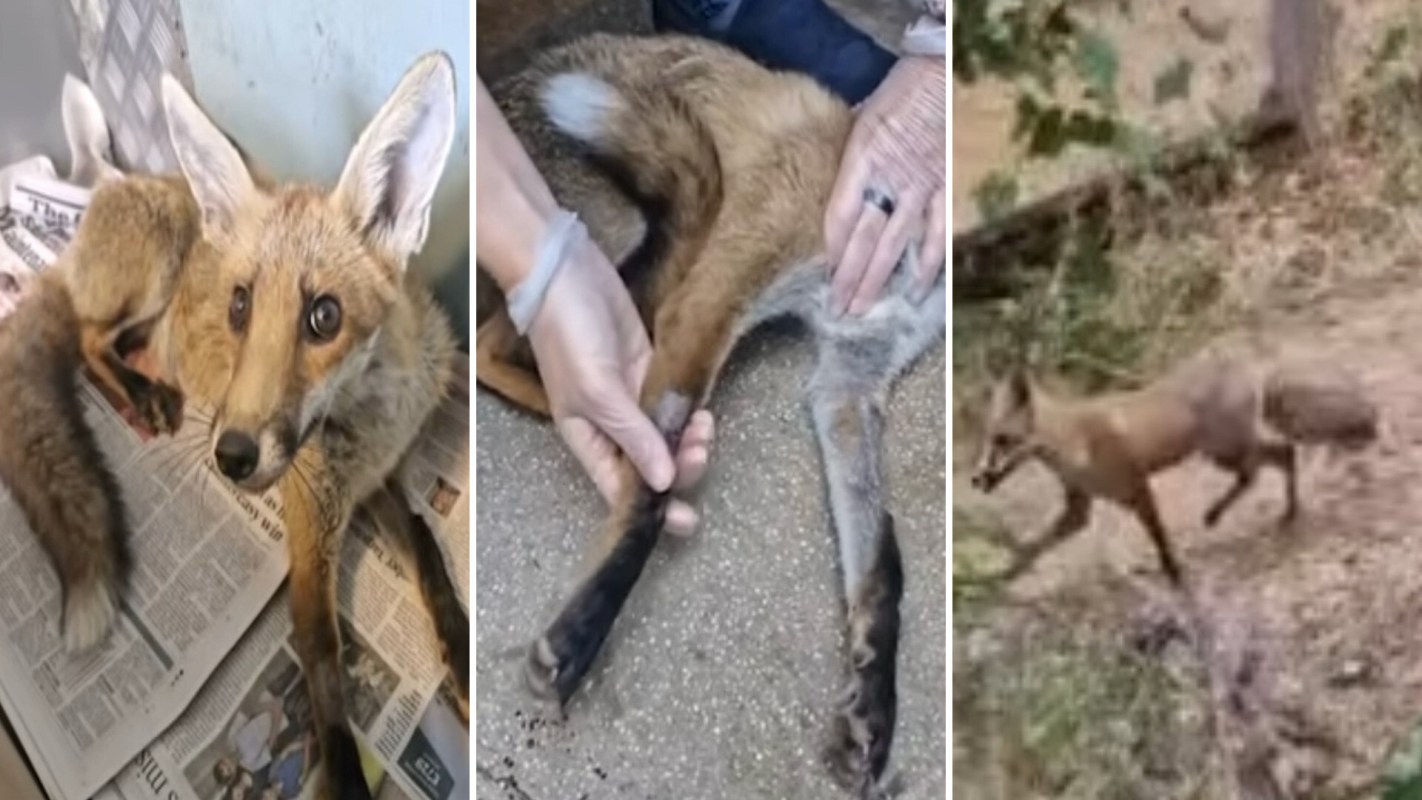
The Wildlife Aid Foundation took in Steven the fox after paralysis in his front legs left him unable to walk. His recovery later unfolded in a way that can feel almost unbelievable until you see each stage in sequence.
Here's what to know
In a YouTube video shared by Wildlife Aid (@wildlifeaid), the organization set up the ordeal by writing, "When Steven arrived, his front legs were paralysed, and he was unable to walk."
The footage shows the full progression people rarely see, beginning with a fox in critical condition and ending with one that relearns how to move and eventually run.
Wildlife Aid said its vets were not sure at first that he would live.
"Unsure if he would survive, our vets did everything they could to help him walk again," the organization wrote alongside the footage.
Much of the video centers on the slowest part of rehabilitation, where even minimal progress carries weight. Even after initial emergency triage and hydration, Steven wasn't doing much better.
TCD Picks » Quince Spotlight
💡These best-sellers from Quince deliver affordable, sustainable luxury for all




However, physical therapy started to turn the tide. The fox started with a few steps and kept progressing. After a week, Wildlife Aid put Steven outside his initial pen. The rescuers were impressed by his movement, and he was ready for some final testing.
By the video's final moments, Steven is using his legs again and is eventually seen running as he's released back into the wild.
"Well done Steven!" a YouTube viewer remarked. "And well done Wildlife Aid! Thank-you for seeing his potential and not giving up on him."
More background
For an animal to regain mobility, it can take repeated veterinary care, close monitoring, and time. All that comes without any guarantee of success.
For wild foxes, the ability to move normally is essential. Walking, balancing, and running are necessary not just for comfort but for survival. An animal that cannot properly use its legs may struggle to find food, avoid threats, or return to life in the wild.
Steven's case shows what wildlife professionals can accomplish when they have the resources to step in at the right moment, and the patience to brush off some early discouraging signs.
Many injured wild animals are treated outside the public eye. Viewers may only see a short video, but behind that footage is a broader system of rescue, diagnosis, and rehabilitation.
What's being done?
In Steven's case, the veterinary effort focused on helping him regain the use of his front legs.
More broadly, wildlife rescue groups play a crucial role in caring for animals that have been injured, weakened, or displaced.
Their work can include emergency treatment, rehabilitation plans, and ongoing observation to determine whether an animal is recovering enough to regain basic functions.
Where can I learn more?
Steven's recovery is a reminder that wildlife rehabilitation often comes down to patience, veterinary care, and a long series of small gains. That same pattern arises in very different emergencies, from severely injured foxes to a fawn that needed help walking again.
• Rescuers watched a young fox make a stunning 48-hour turnaround after a car strike.
• The RSPCA extracted a fox from a drying rack after his back leg became entangled.
• In Luton, rescue workers used a creative strategy to free a trapped juvenile fox.
• Massachusetts vets at Newhouse Wildlife Rescue made a heartbreaking discovery during fox surgery.
• At Austin Wildlife Rescue, a week-old fawn got a tiny splint to walk again.
Seen alongside Steven's case, these rescues show how much difficult, hands-on work goes into giving injured wild animals a real shot at recovery. In many cases, that second chance starts because someone is there and ready to step in.

Get TCD's free newsletters for easy tips, smart advice, and a chance to earn $5,000 toward home upgrades. To see more stories like this one, change your Google preferences here.







