


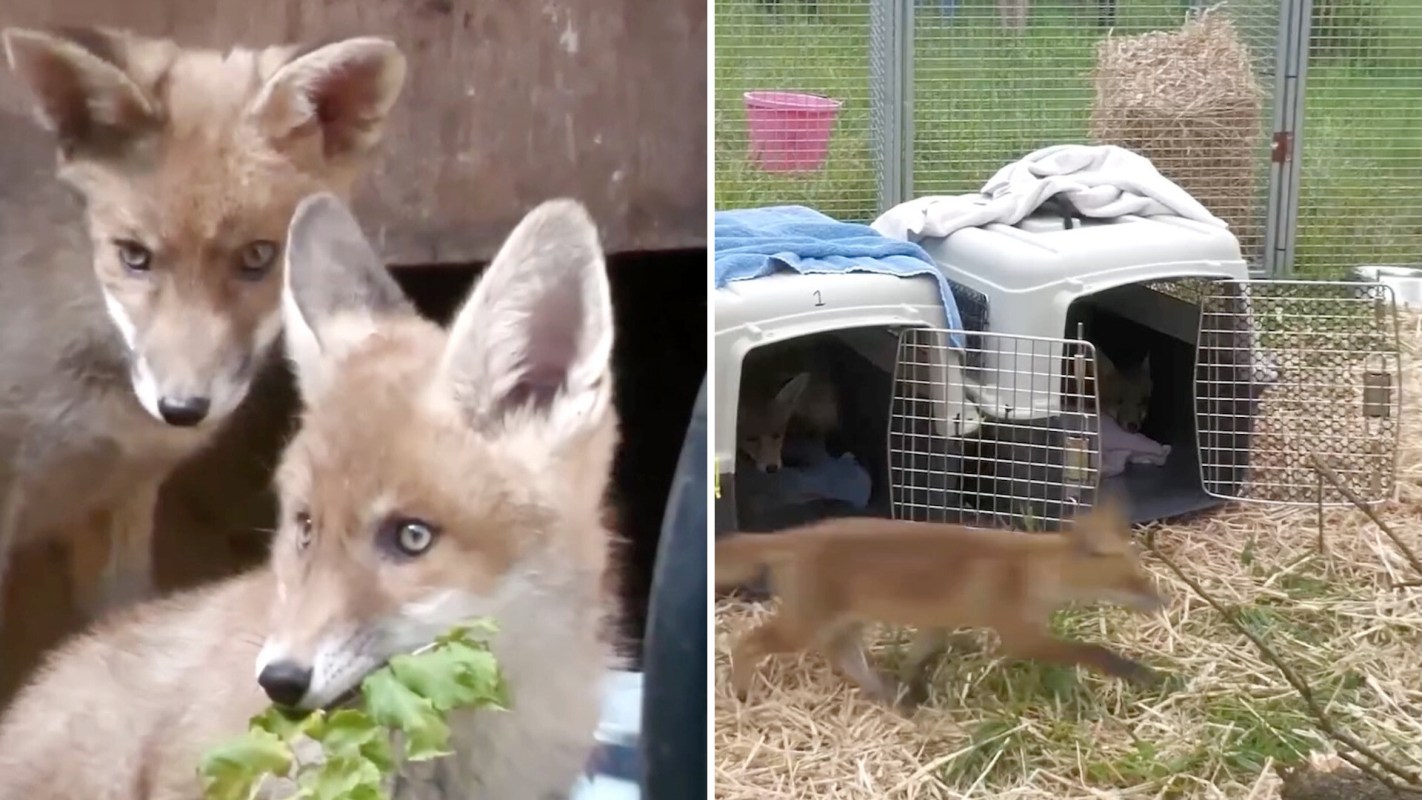
A pair of fox cubs that once needed a 20-hour rescue are now nearing the moment they can return to the wild where they belong.
After their mother died, Ed and Eve were rescued and taken into care — and now the two young foxes are approaching a soft release.
What happened?
An Instagram post from the Wildlife Aid Foundation (@wildlifeaid) in Surrey, England, shared how much Ed and Eve have changed since their rescue.
"They grow up so fast," the caption read, describing them as "all grown up and full of life."
The video also pointed to what comes next. One staff member said, "In a couple days they're going to be going to a soft release pen."
Another reflects on their transformation, saying, "They've gone from being tiny little brown balls to proper miniature foxes."
TCD Picks » Quince Spotlight
💡These best-sellers from Quince deliver affordable, sustainable luxury for all




The foundation said the "soft release" stage is meant to ease the cubs toward life in the wild, letting them adjust gradually while still receiving support as they learn to survive independently.
Why does it matter?
Wildlife rescue stories like this offer a glimpse of what patient, hands-on conservation looks like in practice — not just for animals, but for the people and communities willing to step in and help.
When young wild animals lose a parent, their chances of survival can drop quickly. Skilled intervention from wildlife rehabilitators can give them a second chance without turning them into permanent captives. Healthy fox populations play an important role in local ecosystems, helping control rodents and maintain the natural balance in landscapes near neighborhoods and farms.
Efforts like these depend on trained staff, funding, public awareness, and community trust. Wildlife support systems take time and resources to make successful releases possible.
What's being done?
In this case, the most significant step underway is the soft release process itself. Rather than sending the foxes directly back into the wild, caregivers are using a gradual transition that gives the animals a safer path to independence.
That approach improves the odds that rescued animals can adapt successfully, find food, avoid danger, and live without continued human support. Rescue is only the beginning; rehabilitation and release planning are just as essential. Ed and Eve's story is a small but powerful example of conservation in action.

Get TCD's free newsletters for easy tips, smart advice, and a chance to earn $5,000 toward home upgrades. To see more stories like this one, change your Google preferences here.







