


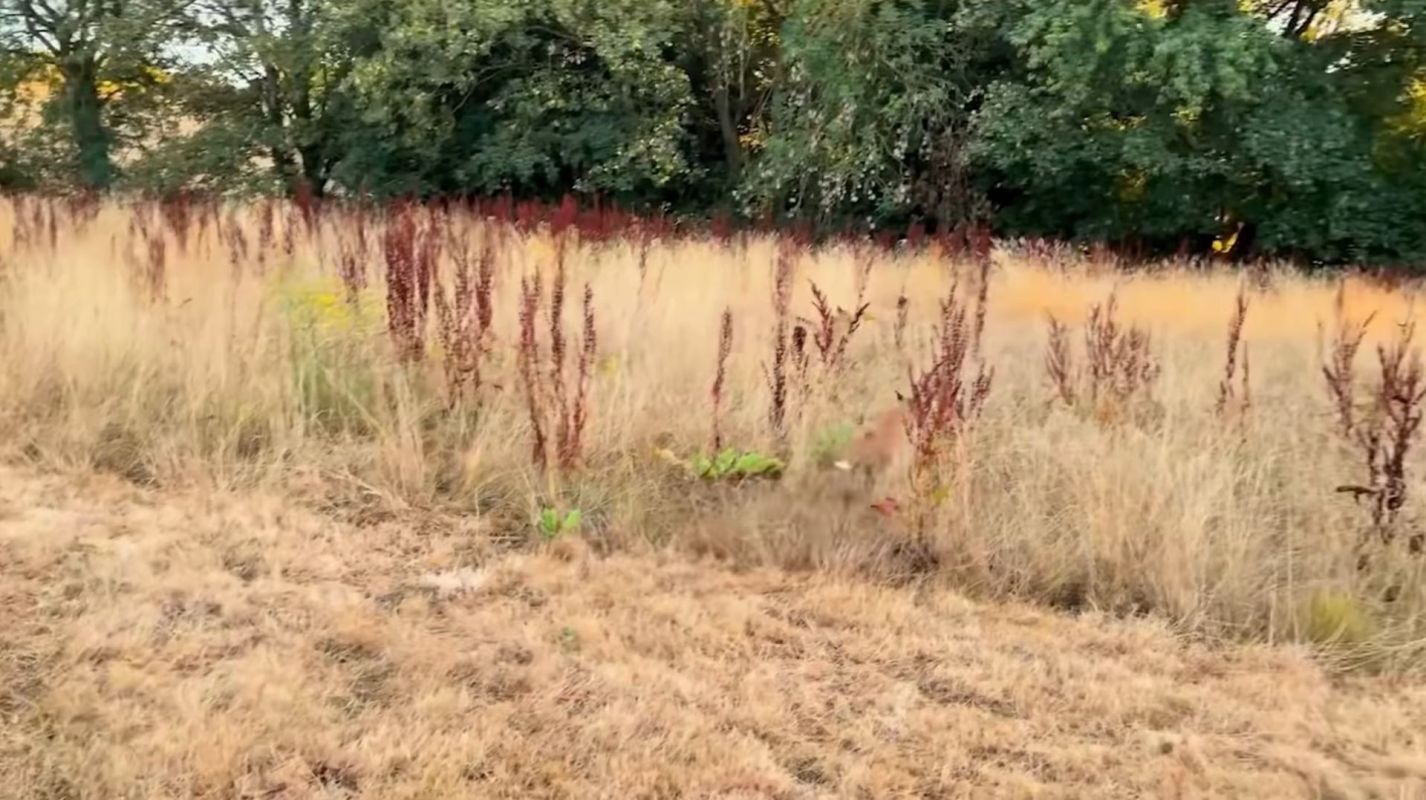
Three fox cubs that were once wedged in a gap just six inches wide between two homes in Leicester have now been released into the wild.
Their rescue, recovery, and release brought together neighbors, emergency crews, and wildlife rescuers, according to Metro.
Here's what to know
Residents on Letchworth Road alerted authorities after hearing a fox crying out.
Responding firefighters opened part of a garage wall to get to the 12-week-old cubs, which were stuck in a six-inch space that narrowed between neighboring buildings.
The fire service said the homeowner allowed its Technical Rescue Team to remove brickwork from the garage, where they discovered "not one, not two, but three trapped cubs."
Once freed, the animals were brought to Leicestershire Wildlife Hospital. One arrived in especially poor condition, Amy Blower, the charity's team leader, told the BBC.
TCD Picks » Quince Spotlight
💡These best-sellers from Quince deliver affordable, sustainable luxury for all




"One of them was particularly poorly and was on oxygen overnight at a local vet's and it wasn't certain if it would pull through, but thankfully it did," Blower recalled.
They remained in care for several weeks, building strength and practicing the behaviors they would need to live independently, before all three were released together at an undisclosed location.
More background
The space between the houses seemed like a place to squeeze through, but it narrowed enough to trap the cubs.
Foxes and other wild animals are increasingly sharing space with human communities, especially in towns and cities. When people handle those encounters carefully, residents stay safe, distressed wildlife gets help, and local ecosystems are better protected.
The wildlife hospital shared a social media update about the fox cubs.
"The three cubs have been in our care, learning all the essential skills needed for life back in the wild – enjoying digging and searching for their food, alongside lots of enrichment," it read in part.
"Last week, it was time for their release. Here, they are being support fed for a while until they have adjusted to life back in the wild!"
Rescue alone is not always enough, especially for young animals that need time to rebuild their strength and practice natural behaviors before they can return to the wild.
What's being done?
Wildlife recovery often depends on a chain of support, not a single dramatic moment.
Help came in stages: nearby residents reported the cries, fire crews carried out the extraction, and vets and rehabilitation workers took over when one cub's health worsened.
Blower told the BBC the cubs will continue to receive supplemental food for at least two weeks as they adjust to finding their own meals.
The release was a reward for the people who cared for them.
"It was quite an exhilarating feeling seeing them go back into the wild," Blower told the BBC.
"All of our volunteers have worked really hard to get them to that point. It's obviously a feeling of relief and excitement for their future out there as well."
Where can I learn more?
These stories follow similar fox rescues. They trace what happens after extraction, from treatment and rehabilitation to release.
• After their mother died, rescuers spent 20 hours getting fox cubs back to the wild.
• Firefighters freed a cub from a wheel after distress calls signaled it was trapped.
• At Sweet Briar Nature Center, a three-legged fox kit is thriving after a fence entrapment.

Get TCD's free newsletters for easy tips, smart advice, and a chance to earn $5,000 toward home upgrades. To see more stories like this one, change your Google preferences here.







