


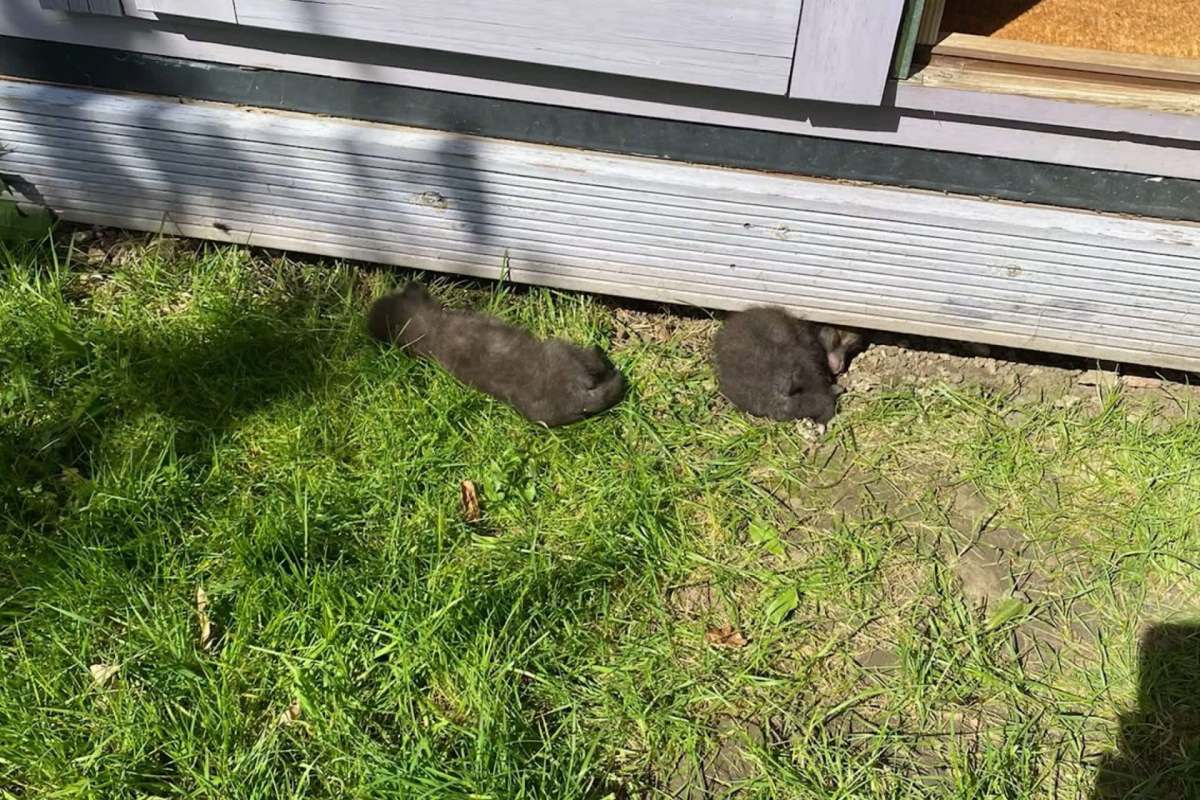
What began as an urgent report of a pair of lone baby foxes grew into a larger rescue once the responding team took a closer look.
What happened?
When Wildlife Aid Foundation rescuers Louis and Dan reached the local garden, their immediate concern was whether their mother was gone. If she were nowhere to be found, the cubs would need help fast.
As shown in footage shared by Wildlife Aid, the team assessed the scene, but as daylight waned, they set up trail cameras and returned the next day. At that time, they searched the area more thoroughly using thermal imaging and the trail camera footage.
That closer check revealed that the pair in sight were not alone. Additional cubs were found beneath the shed. The team then had to lure the rest of the cubs out — five in total.
Once back at the vet, they confirmed that "mom had not been around for about a week," according to the rescuer.
The foxes were thin, some of them with ticks, and one was in critical condition.
TCD Picks » Quince Spotlight
💡These best-sellers from Quince deliver affordable, sustainable luxury for all




The rescuer added, "One cub was quite poorly indeed. And needed urgent treatment. But the others seemed strong in comparison."
Why does it matter?
Fox cub rescues can be delicate because separating young wildlife from a healthy parent too soon can create new risks. According to the Wildlife Aid, if mothers are separated from their cubs, they are at risk of mastitis, which can be fatal. In situations like this, the most important question is whether the mother is truly gone or out looking for food.
These rescuers used thermal imaging and trail cameras to ensure they didn't miss any cubs that were tucked beneath the shed.
Sheds are not the only places wildlife could use that people miss. For example, a quiet place in a yard or other garden structures can serve as temporary shelters for these animals.
It's vital to seek expert help if you come across baby wildlife, so you don't separate families.
Careful observation, such as what the rescuers did, can make the difference between an unnecessary intervention and a successful rescue.
What's being done?
Thermal imaging and trail cameras played a major role in helping the Wildlife Aid team build a clearer understanding of what was happening around the shed.
As it said, the "rescue [was] made possible thanks to thermal imaging and trail cameras."
While the team originally thought there were two cubs, these tools helped them realize the situation was more dire and gave them better odds at protecting all the cubs.
The Wildlife Aid advised observing the baby wildlife before moving them, to ensure the mother doesn't return. It's also said that an expert should be called to handle the wildlife safely.
If possible, observations should be made from a distance, including details about the location, timing and any adult animals seen nearby. Those details can help experts decide whether a rescue is truly needed and how to carry it out safely.

Get TCD's free newsletters for easy tips, smart advice, and a chance to earn $5,000 toward home upgrades. To see more stories like this one, change your Google preferences here.







