


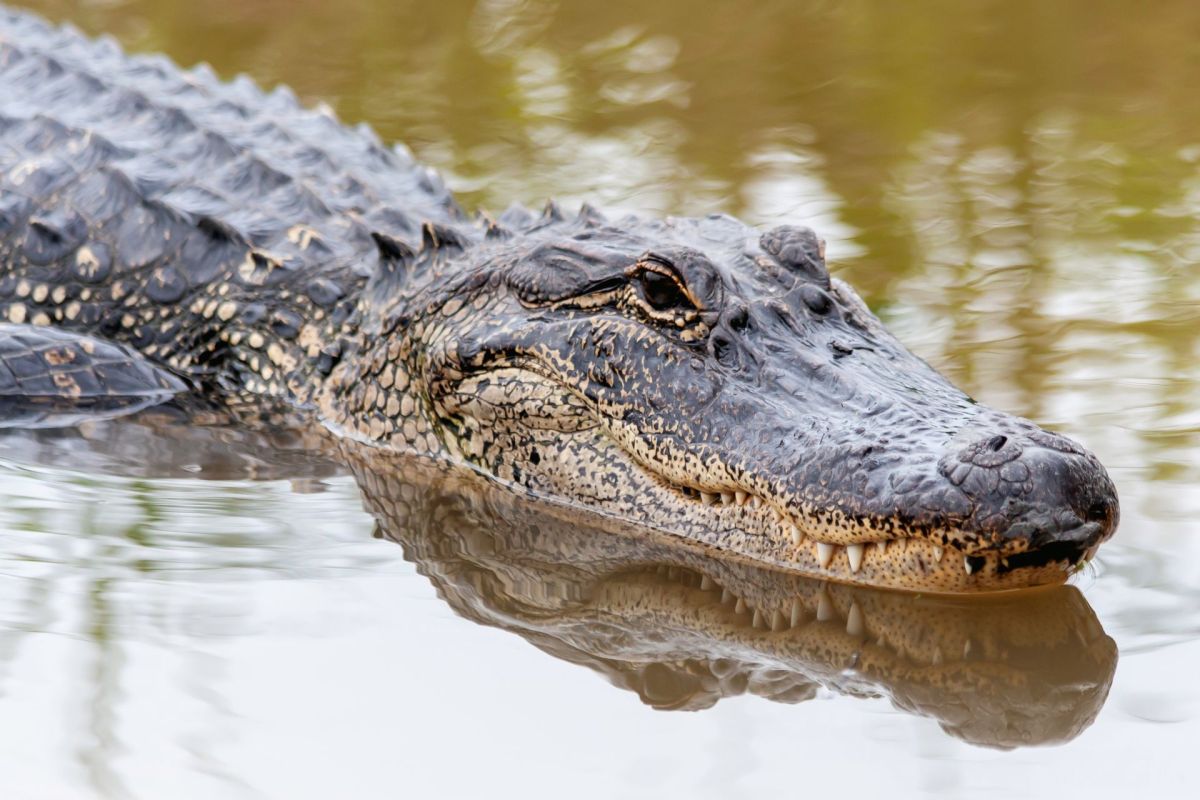
Rumors have long swirled that Fort Worth's alligators are escaped pets dumped into local waterways.
But researchers have told the public that these reptiles have likely been part of the North Texas landscape for generations.
What happened?
The Fort Worth Nature Center & Refuge wants locals to know that gators have long existed in the area, with the first recorded sighting dating back to 1849.
As KERA News reported, Refuge staff are now carrying out fieldwork in the Trinity River wetlands to learn more about the area's wild alligators by catching, tagging, and measuring them.
The wildlife specialists are trying to better understand roughly how many gators live in the area and how large they're growing to be, at least on average.
Once these wildlife experts locate an alligator, they safely measure it, tag it, and then release it back into the water, per KERA News.
TCD Picks » Quince Spotlight
💡These best-sellers from Quince deliver affordable, sustainable luxury for all




Staff at the Refuge want people to know that these reptiles' presence in the area is actually a good thing.
American alligators are "keystone species," which, as the name suggests, means they hold ecosystems together and potentially could cause a collapse if removed.
These reptiles' apex predator status means they keep certain animal populations in check. But they also engineer ecosystems and habitats when they burrow into the mud, creating "gator holes."
Why does it matter?
Alligators can reveal a great deal about the condition of the wetland ecosystem that people and animals rely on.
Jared Wood, who works at the Refuge, explained to KERA News: "If you have alligators, it's generally a sign that if you can support that apex predator, you have a healthy wetland system."
Wetlands support biodiversity, help filter water, and buffer landscapes against the impacts of extreme weather events such as flooding.
In a fast-growing city that is losing natural land, recognizing alligators as native wildlife instead of as invasive threats can help people better understand the environment around them.

Get TCD's free newsletters for easy tips, smart advice, and a chance to earn $5,000 toward home upgrades. To see more stories like this one, change your Google preferences here.







