


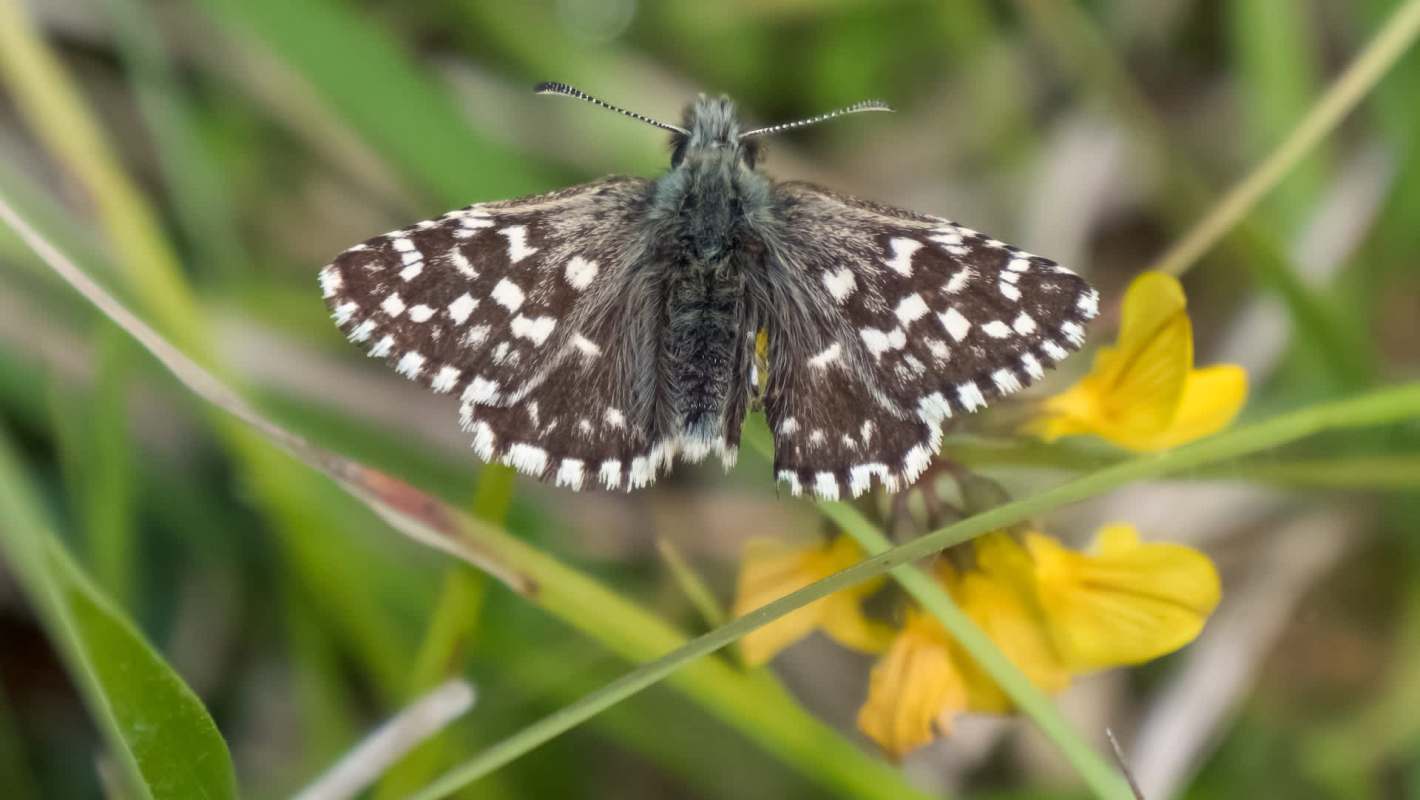
A former landfill near Horsham in West Sussex has become an unlikely bright spot for wildlife recovery.
Brookhurst Wood, once a repository for household waste, now supports three endangered butterfly species that have been disappearing across the U.K., showing how damaged land can be brought back to life with careful restoration, Sussex Express reported.
What happened?
According to Sussex Express, the Brookhurst Wood landfill stopped operating in 2018.
Today, the area supports the Grizzled Skipper, Dingy Skipper, and Small Heath, all classed as vulnerable and counted among the U.K.'s most threatened butterflies.
That comeback came after more than 35 acres (14 hectares) at the site were restored as grassland filled with wildflowers.
Sussex Express reported that the transformed area now supports 26 butterfly species in total, with Common Blue, Green Hairstreak, Small Copper, Peacock, and Red Admiral among those present, along with migratory arrivals such as Painted Lady and Clouded Yellow.
TCD Picks » Quince Spotlight
💡These best-sellers from Quince deliver affordable, sustainable luxury for all




David Bridges, a Butterfly Conservation local volunteer who has been working closely with waste management firm Biffa UK, explained why the outcome was so meaningful.
"Butterflies are great indicators of the health of our environment. The sensitive restoration of landfill sites such as the Brookhurst Wood site is providing perfect conditions in which they can thrive," Bridges observed.
Sussex Express reported that Butterfly Conservation's annual Big Butterfly Count continues through Aug. 9 and asks locals to spend 15 minutes a day counting butterflies.
Why does it matter?
Butterflies help pollinate plants and also serve as indicators of whether local ecosystems are healthy enough to support a broad range of life.
When butterfly numbers plummet, it can point to wider problems such as habitat loss, pollution, and climate-related stress.
Sussex Express noted that U.K. butterfly populations have been in steep decline since the 1970s, with four out of five affected.
Against that backdrop, habitat recovery at places like Brookhurst Wood shows that long-neglected land can be made productive for nature again.
Healthier landscapes can support cleaner air, more resilient local environments, and stronger biodiversity in nearby communities.
Even though this particular site is not open to the public, restoring it rather than leaving it degraded can still benefit surrounding ecosystems and the people who depend on them.
The site is also drawing birdlife that has struggled elsewhere, including nightingales, skylarks, and linnets, as well as regular sightings of kestrels and red kites.
What happens next?
For Biffa, Brookhurst Wood is one piece of a broader restoration effort focused on converting former landfill areas into usable wildlife habitat.
At this site, the work has involved reshaping the land and planting species-rich grassland so the area can support insects, birds, and other wildlife.
Biffa is also turning some restored landfill land into Biodiversity Net Gain units for developers in England. Biodiversity Net Gain rules require projects to deliver at least a 10% increase in biodiversity, which creates more demand for places where habitat can be restored at scale.
"It has been wonderful to see butterflies including the rare Grizzled Skipper flourishing here, thanks to Biffa's great work, in partnership with Butterfly Conservation, restoring this former landfill site to benefit nature," Bridges remarked.
Duncan Wright, Biffa's Landfill General Manager, said that it was "an absolute joy watching Brookhurst Wood transform from a working landfill site into a safe sanctuary for rare butterflies and birds."

Get TCD's free newsletters for easy tips, smart advice, and a chance to earn $5,000 toward home upgrades. To see more stories like this one, change your Google preferences here.







