


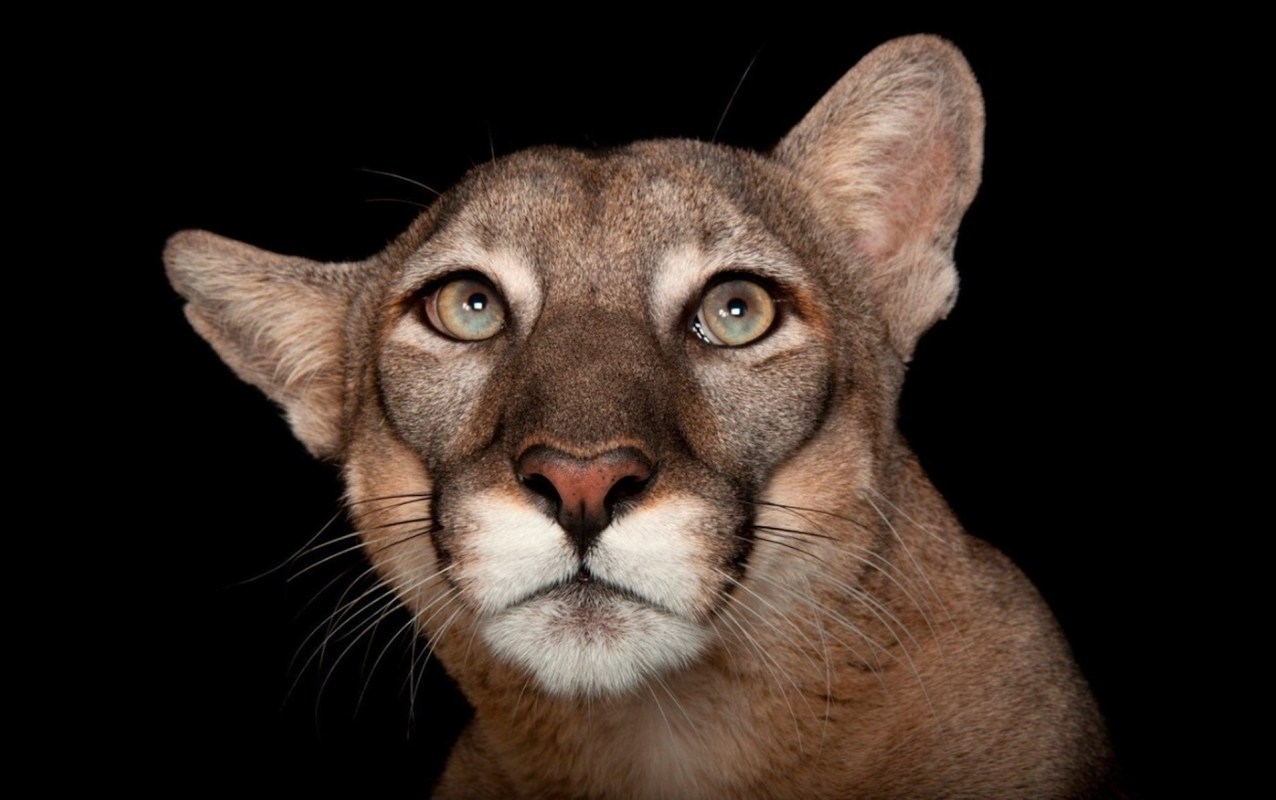
Lucy, a Florida panther that spent nearly two decades at ZooTampa helping people connect with a threatened native species, is being remembered for a life that reached far beyond a single zoo habitat.
Before she died, Lucy's presence had already extended well beyond Tampa. She won over local visitors, and as content creator and wildlife photographer Joel Sartore shared, her likeness was displayed on the Empire State Building and featured on a U.S. postage stamp.
What happened?
In an Instagram post, Sartore said Lucy died after living at ZooTampa for nearly 20 years. He accompanied the announcement with a portrait of the Florida panther and a short tribute.
Sartore said an injury Lucy had as a cub meant she couldn't be returned to the wild. As she grew, Lucy became a favorite for visitors of the zoo.
"Lucy became an incredible ambassador for her species," Sartore wrote.
Her influence reached audiences far from Florida. Sartore said her image was once projected onto the Empire State Building in New York City and also appeared on a U.S. postage stamp, rare honors for any animal.
TCD Picks » Quince Spotlight
💡These best-sellers from Quince deliver affordable, sustainable luxury for all




Why does it matter?
Lucy's life showed how one animal could shape the way people think about the wildlife around them. Florida panthers are native to the region, but many people will never see one in the wild. Lucy offered a chance to connect with a species that might otherwise feel distant or abstract.
Seeing a native animal not just as a symbol or a headline but as an individual with a story can deepen support for protecting habitats.
Lucy also represented something bigger than celebrity. Her appearances on a landmark building and a postage stamp made her a visual reminder that native species are part of the American landscape, not separate from it.
Her reach tied the issue of coexistence to places where wildlife still shares neighborhoods, roads, and green spaces.
What can I do?
While most people can't directly affect the fate of an entire species on their own, they can still help create safer, healthier communities for native wildlife. Learning which animals live in your area and how to avoid disturbing them is a practical first step.
Supporting local zoos with ethical practices, wildlife rehabilitators, and conservation organizations that focus on education can also make a difference, especially when those groups help residents better understand native species.
Even simple choices such as preserving green space, planting native vegetation, and backing community habitat protections can improve conditions for animals close to home.
Sartore's tribute captured Lucy's lasting impact in one line: "Throughout her life, she was a powerful reminder of our duty to coexist and protect the native species that share our backyards."

Get TCD's free newsletters for easy tips, smart advice, and a chance to earn $5,000 toward home upgrades. To see more stories like this one, change your Google preferences here.







