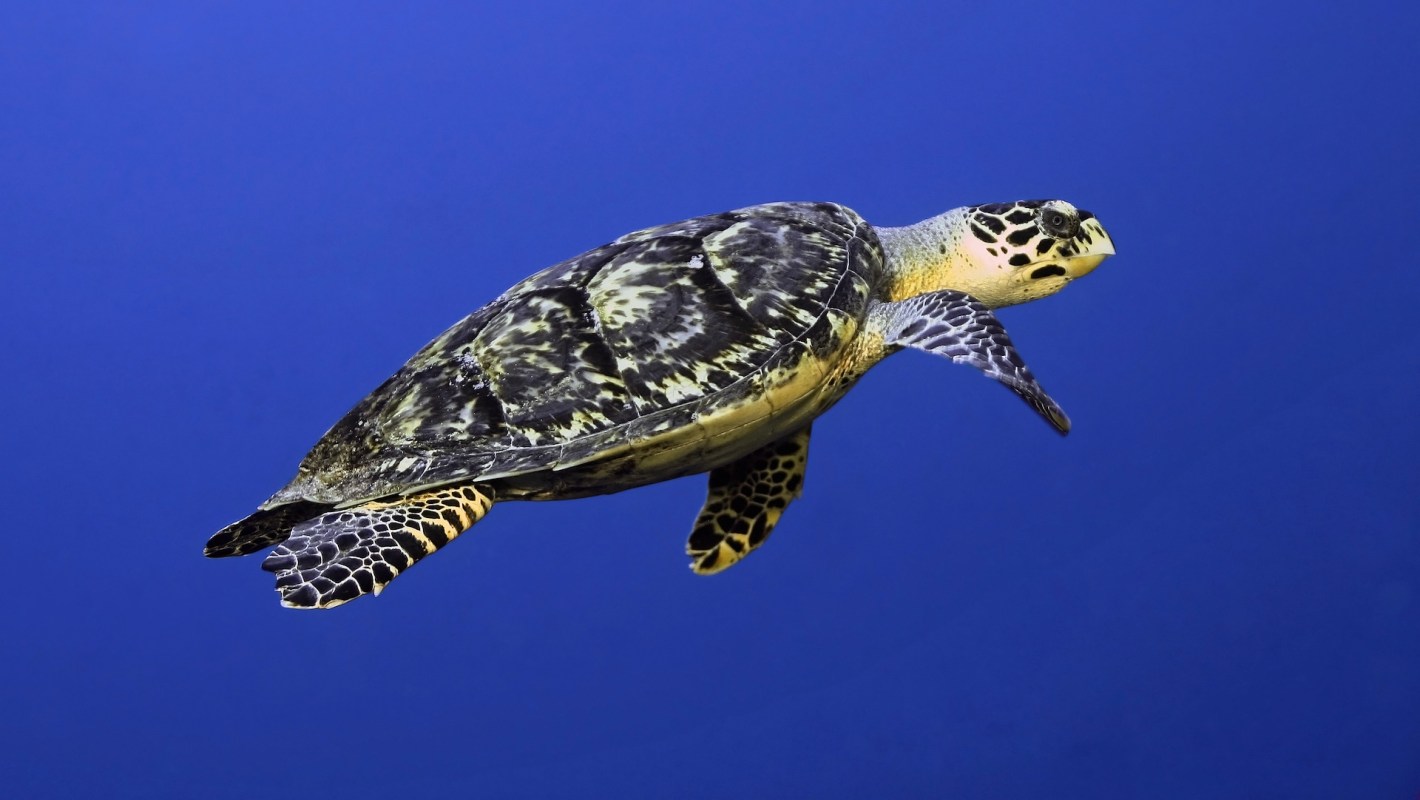
Florida authorities said a man now faces a felony charge after allegedly listing the shell of an endangered sea turtle on Facebook Marketplace for $2,700, CBS12 reported.
What happened?
A Marketplace ad offering what the seller called a "rare turtle shell" in "perfect condition" prompted investigators to open a protected-species case.
The Florida Fish and Wildlife Conservation Commission said it began looking into the listing on June 30 after a Boynton Beach police officer notified the agency, according to CBS12.
When officers went to a Lake Worth Beach home connected to the listing on July 1, they met 63-year-old Addison Mullen.
Investigators said Mullen admitted he had the shell but refused to produce it without a search warrant, per CBS12. He also claimed to have "paperwork" for it, but the station noted he did not provide any documentation.
A judge later signed off on a search warrant, and officers returned on July 6, according to CBS12. They recovered the shell from the residence and sent it to the FWC Field Lab in Tequesta, Florida.
TCD Picks » Good Store Spotlight
Get 10% off your next purchase with code TCD10




A biologist reportedly identified it as belonging to an Atlantic hawksbill sea turtle. Florida's Marine Turtle Protection Act and the federal Endangered Species Act both protect that turtle species.
Mullen is now accused of trying to sell part of a protected marine turtle species, which Florida law classifies as a third-degree felony.
Why does it matter?
The hawksbill is the sea turtle species least commonly found on a regular basis in Florida, the outlet noted.
The FWC said its patterned shell was once used to make jewelry, hair ornaments, and other decorative items. Although that trade is banned in the United States, this case suggests demand for such items has not entirely disappeared.
TCD Picks » Quince Spotlight
💡These best-sellers from Quince deliver affordable, sustainable luxury for all




Treating endangered wildlife as a collectible can harm ecosystems and the people who depend on them. Sea turtles play an important role in coastal ecosystems that help support Florida's beaches, reefs, recreation economy, and local identity.
Weakening protections for them can create ripple effects for communities that rely on healthy shorelines and thriving marine life.
Wildlife trafficking also uses up public resources. Investigations, lab analysis, and legal proceedings all require time and money that could otherwise go toward habitat protection, species recovery, and community safety.
What's being done?
Wildlife officers moved quickly after hearing about the listing, obtaining a warrant to recover the shell and relying on a biologist to verify the species. The enforcement action helps ensure endangered species protections carry legal weight, as CBS12 detailed.
More broadly, both state and federal laws already prohibit the sale of protected sea turtle parts. Those protections are meant to curb illegal trade and reduce the incentive to possess or profit from threatened wildlife.
Animal products of uncertain origin or legality can fuel illegal trade. Suspicious online listings can be reported to wildlife agencies or local law enforcement. There is a growing movement to combat the social media locations that facilitate much of the wildlife trade.

Get TCD's free newsletters for easy tips, smart advice, and a chance to earn $5,000 toward home upgrades. To see more stories like this one, change your Google preferences here.