


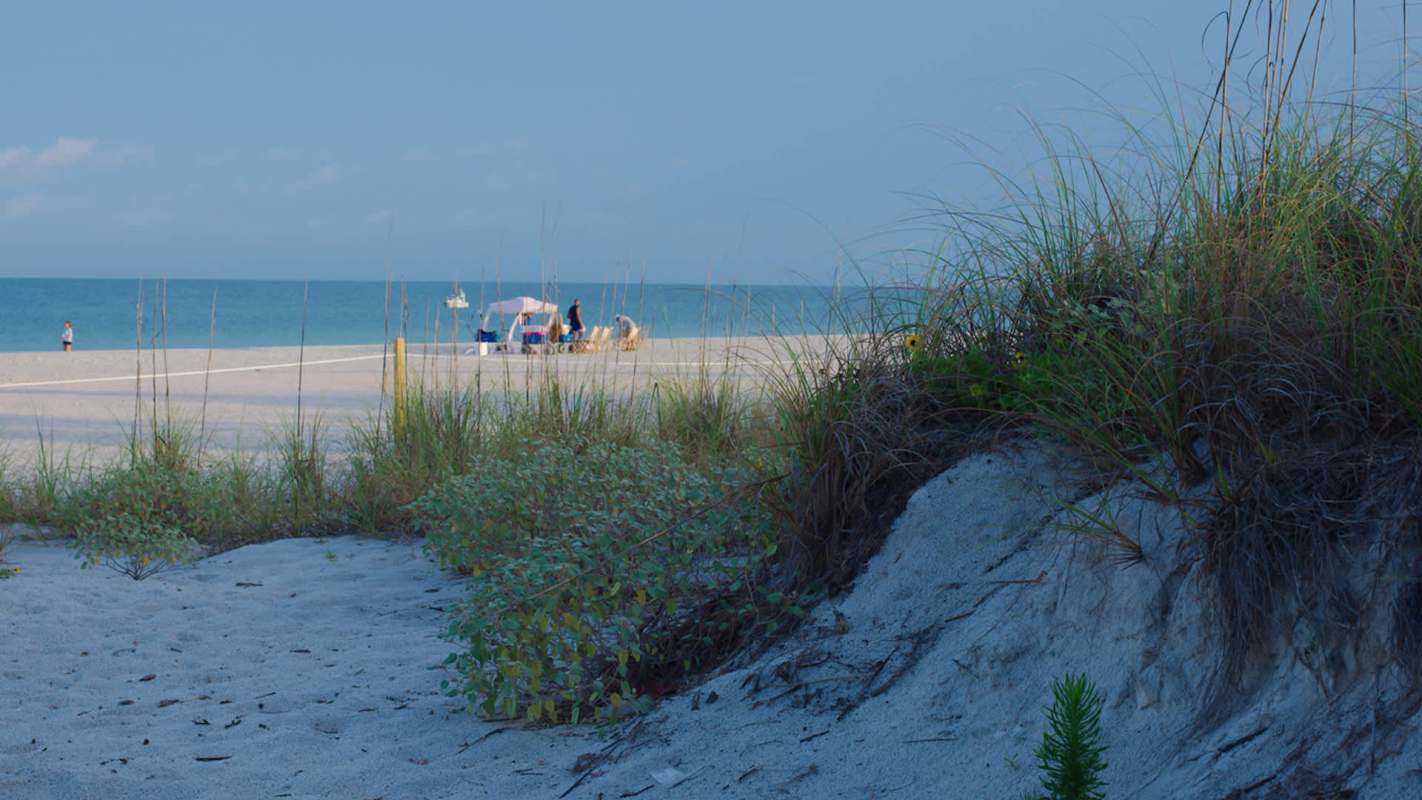
In late April, beach visitors on Florida's Gulf Coast found hundreds of pesticide-filled mothballs strewn across white sand where vulnerable shorebirds were nesting.
Now, two local business owners are facing criminal charges in a case that has alarmed conservationists and raised concerns about public health, wildlife, and the future of the beach.
What happened?
According to the New York Post, authorities say an effort to stop black skimmers from nesting on St. Petersburg's St. Pete Beach led to charges against Christopher Monroe, who owns and manages Chris' Beachside bar, and Robert Czyszczon, who owns the Plaza Beach Hotel.
The Florida Fish and Wildlife Conservation Commission said in a news conference that the pair allegedly spread roughly 1,500 mothballs across the beach to frighten away the endangered birds, which were "attempting to establish a nesting colony," per the Post.
Investigators used surveillance video, receipt records, phone data, and text messages to build the case. Initially, 1,000 mothballs were spotted and removed. Then, overnight, another 500 showed up. In one message, one of the men allegedly wrote, "They're the worst birds."
Monroe and Czyszczon were reportedly concerned that nesting activity would interfere with beach access and hurt business revenue.
TCD Picks » Quince Spotlight
💡These best-sellers from Quince deliver affordable, sustainable luxury for all




Why does it matter?
Mothballs contain pesticides, and officials said placing them on the beach meant wildlife and children "could easily come in contact with them," per the Post.
The situation also added pressure to a species already facing significant challenges.
Florida is home to about 6,800 black skimmers, and officials estimate that several hundred live on Pinellas County beaches. Because skimmers nest directly on sand, they are especially vulnerable to disturbance. When nesting is delayed, young birds may not be ready to leave the nest before dangerous weather arrives at the end of hurricane season in November.
As an FWC official noted, per the Post, that "can wipe out a colony."
A biodiverse ecosystem supports not only wildlife but also the communities that rely on healthy beaches for recreation and tourism.
What's being done?
Once the mothballs were discovered, FWC said officers, investigators, and volunteers moved quickly. Search warrants were served, cellphones were seized, and digital evidence was reviewed as authorities worked to determine who was responsible.
Both men were charged with third-degree felonies of illegal dumping, and each could face up to five years in prison, a $5,000 fine, and up to five years of probation if convicted. An FWC official also said they were charged with misdemeanors of "attempted take of a state-listed imperiled species by harassment," according to the Post.

Get TCD's free newsletters for easy tips, smart advice, and a chance to earn $5,000 toward home upgrades. To see more stories like this one, change your Google preferences here.







