


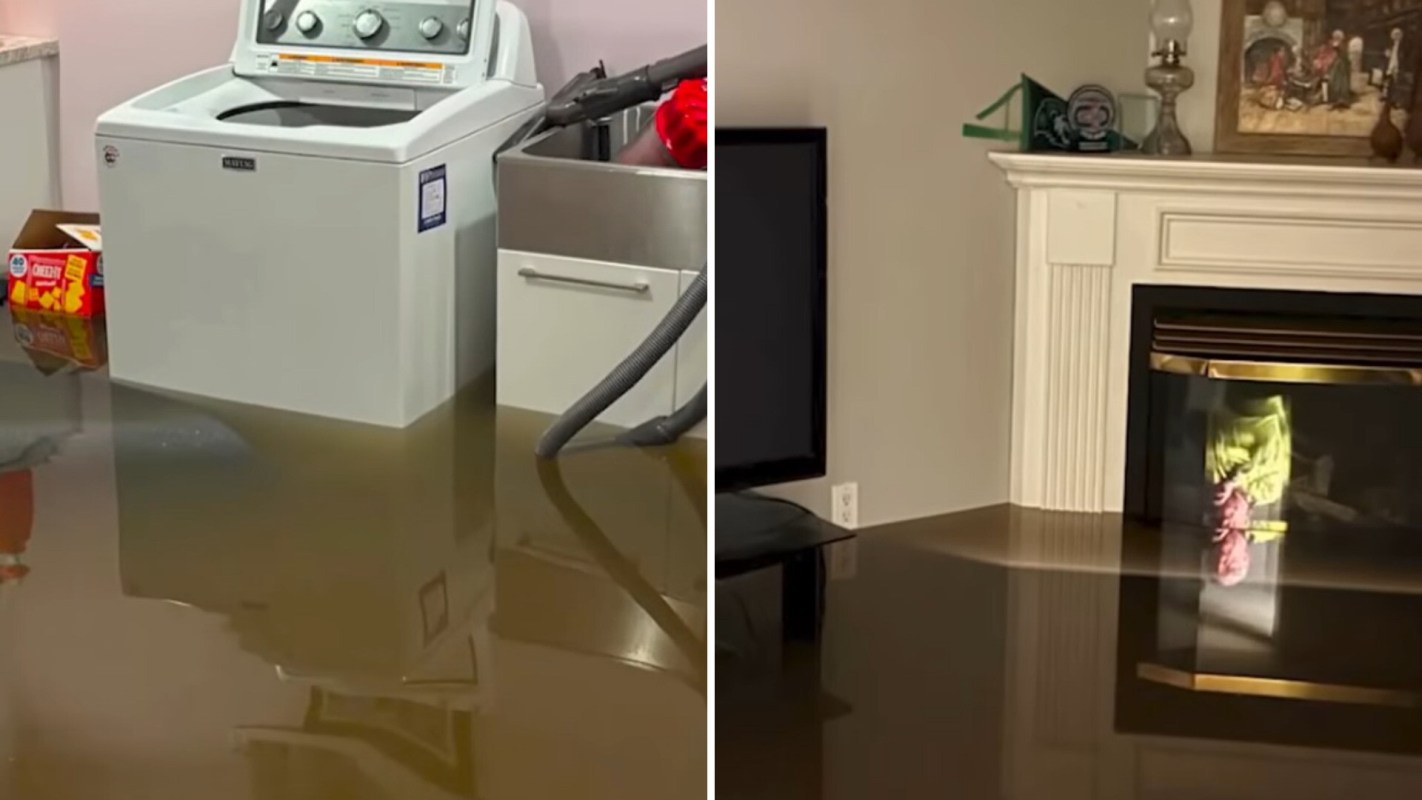
Two major floods have left the largest city in Canada's Niagara region facing mounting home damage.
The latest downpour in St. Catharines, Ontario, dropped more than 5 inches of rain, sending water rushing into houses again and prompting the mayor to request government aid.
What happened?
Homes in St. Catharines were hit again before many could fully recover, as the city faced its second major flood, resulting in almost ten inches of rain between the two and the declaration of a local state of emergency.
The latest storm dropped more than 5 inches of rain on the city, The Weather Network reported, and the resulting damage to homes led the mayor to seek government assistance. It was also one of the area's rainiest days on record.
The mayor of St. Catharines, Mat Siscoe, was not immune from the damage and told the public that his basement had flooded twice within the last week.
In the Weather Network video, Siscoe was quoted as saying, "Mother Nature is definitely in charge… Respectfully, I am requesting that we have some form of disaster relief assistance coming from the federal and the provincial governments. The people of St. Catharines deserve it, just like any other municipality in the country would deserve it in situations as tough as this."
TCD Picks » Quince Spotlight
💡These best-sellers from Quince deliver affordable, sustainable luxury for all




Siscoe added, "Make sure you call your insurance company. Make sure you document what's going on. Make sure your family is safe. It could be worse. It's not a fire. We'll get through this"
Why does it matter?
The mayor's appeal for assistance underscores how quickly repeated storms can strain a city's resources. When communities are hit twice in quick succession, even minor weaknesses in drainage systems, foundations, and roads can quickly become major repair bills.
Municipal crews may be able to respond to one severe event, but repeated flooding can push emergency services, cleanup budgets, and recovery programs well beyond what local governments can comfortably absorb.
But flash floods are more than inconvenient weather events. They can threaten lives, damage electrical systems, cut off roads, contaminate water, and force families from their homes. For many people, the worst effects continue long after the rain stops, as they deal with insurance claims, mold risks, ruined belongings, and temporary displacement.
Worsening extreme weather disasters also put public health, community safety, and economic stability at risk.

Get TCD's free newsletters for easy tips, smart advice, and a chance to earn $5,000 toward home upgrades. To see more stories like this one, change your Google preferences here.







