


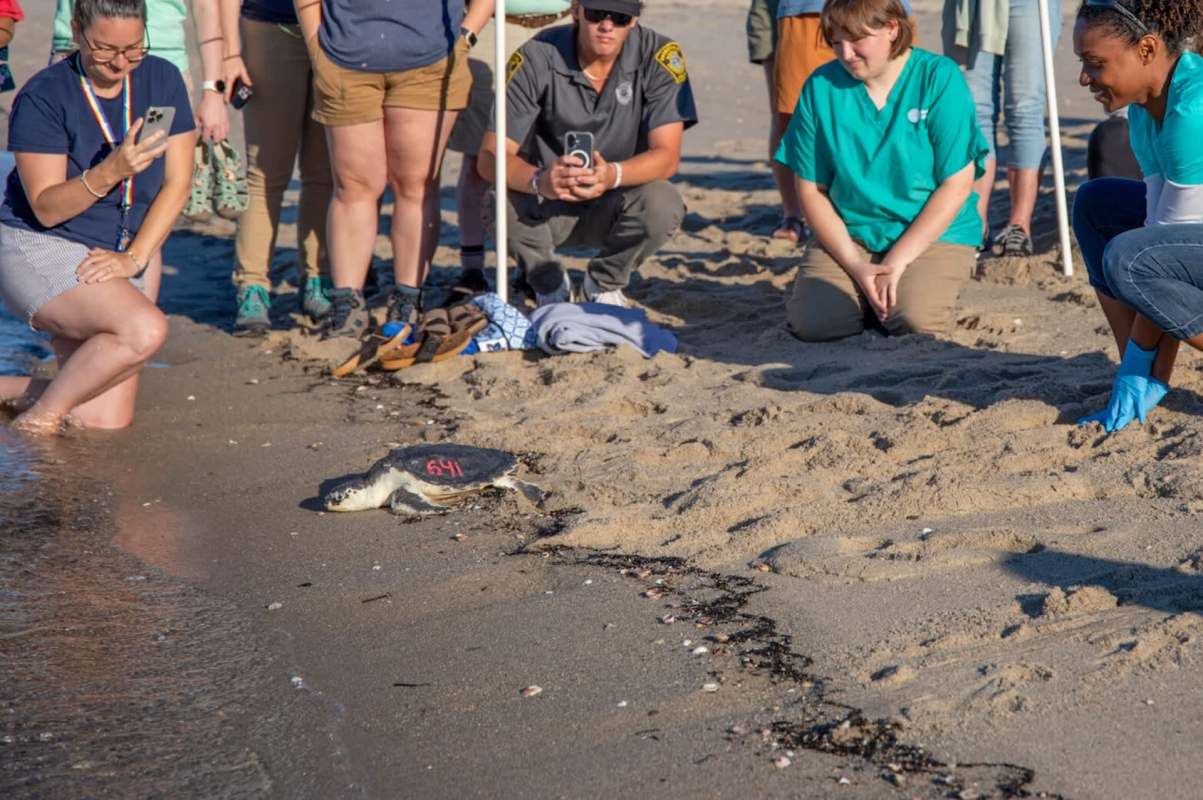
After months of treatment, monitoring, and careful rehabilitation, five sea turtles in Massachusetts have made it back to the ocean. It's a small but powerful sign of how rescue work can give vulnerable wildlife — and the coastal ecosystems people depend on — another chance.
What happened?
During Cape Cod's late-fall and early-winter "cold-stunning" season, five Kemp's ridley sea turtles were discovered in life-threatening condition, with WBZ NewsRadio reporting medical problems that included pneumonia, dehydration, and trauma.
After seven months of care at the New England Aquarium's Sea Turtle Hospital in Quincy, they were released into Massachusetts waters.
Aquarium staff worked alongside volunteers from Mass Audubon's Wellfleet Bay Wildlife Sanctuary throughout the recovery process to get the turtles ready to return to the wild. Before release, scientists from the aquarium's research arm tagged the animals so they can be tracked after reentering the ocean. The aquarium has released 35 turtles off Cape Cod so far this summer.
Why does it matter?
Since little is known about this particular endangered sea turtle, conservation and protection efforts are paramount. When threatened marine animals survive and return to the wild, it helps strengthen ocean ecosystems that support fishing, tourism, and the natural coastal spaces many communities rely on for work and recreation.
Cold-stunning season is a period spanning from October through January when rapidly dropping coastal water temperatures cause sea turtles to experience a hypothermia-like shock and become lethargic and wash ashore. Cold-stunning events, triggered by patterns of extreme weather shifts, have become a recurring challenge in New England waters, creating a need for rapid-response rescue networks, veterinary care, and long-term rehabilitation capacity.
TCD Picks » Quince Spotlight
💡These best-sellers from Quince deliver affordable, sustainable luxury for all




What's being done?
Quick action from volunteers and wildlife responders who locate turtles during this time and get them into care facilities, like New England Aquarium's Sea Turtle Hospital, gives these rare animals a second chance at life, saving them from what would have been fatal in the wild.
For the team that cared for these animals, the release represents the result of months of sustained work. As Dr. Melissa Joblon, Director of Animal Health at the New England Aquarium, put it: "Our team tracks each turtle's progress closely and adjusts care as needed throughout recovery. These five turtles are now strong enough to survive entirely on their own in the wild."
Researchers used post-release tagging, both satellite and acoustic, to monitor where rehabilitated turtles go after they return to the ocean. This provides more insight into survival, movement, and behavior to improve rehabilitation efforts.

Get TCD's free newsletters for easy tips, smart advice, and a chance to earn $5,000 toward home upgrades. To see more stories like this one, change your Google preferences here.







