


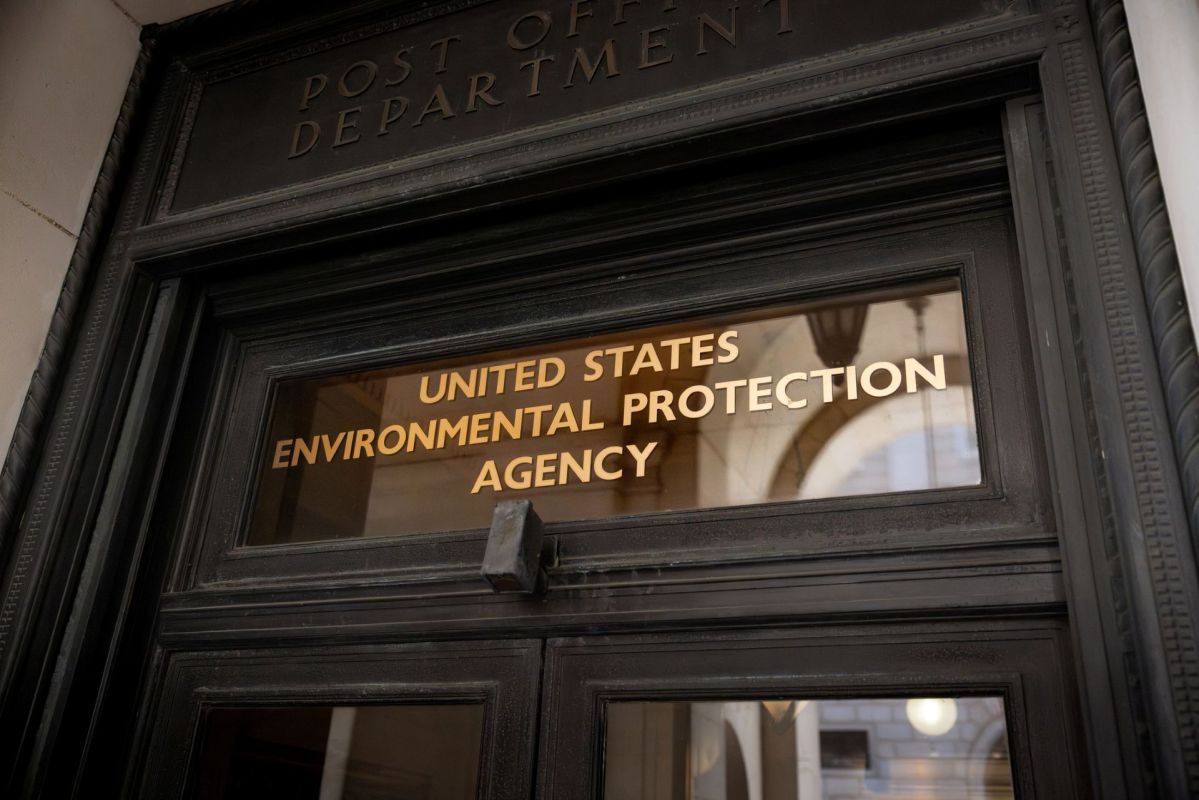
The EPA's reported move to sideline its Integrated Risk Information System program, could change how the federal government evaluates dangerous chemicals.
Now, public health experts say that shift may make it harder to protect families from toxic exposures.
ProPublica reported that in a memo, EPA's Deputy Administrator, David Fotouhi told the agency to stop relying on IRIS in chemical risk assessments.
IRIS has served as a central scientific program for evaluating the health risks of chemicals. Its findings have helped inform limits and safeguards tied to contaminants in drinking water, industrial solvents, and other hazardous substances.
Additionally, states have used IRIS assessments to better regulate chemicals and keep industries from overly polluting the environment. Other countries use IRIS resources when they can't afford to pay for their own scientific reviews of chemicals.
ProPublica also reported that, in an internal memo, Fotouhi attacked the program and said the EPA planned to attach disclaimers saying that toxicity findings "are not necessarily meant to be used in regulation."
TCD Picks » Quince Spotlight
💡These best-sellers from Quince deliver affordable, sustainable luxury for all




This move follows guidance from the Heritage Foundation's controversial Project 2025 to nix IRIS because its safety reviews cause "billions in economic costs."
Experts told the outlet that the change could weaken hundreds of health protections that rely on consistent, science-based toxicity reviews. That could affect rules tied to substances people encounter at home, on the job, or through local water systems.
Maria Doa, who worked as an EPA scientist and regulated chemicals for two decades, sharply criticized the move, telling ProPublica, "This is the EPA adopting the industry's talking points. And it's going to leave a lot of people at risk."
Another former EPA employee, attorney Robert Sussman, explained to the outlet, "This creates the opportunity for companies that pollute to push back on rules and regulations they don't like. Anybody who wants to ignore a regulation, permit, or enforcement action can now just point to this memo… It's a huge setback for the process of protecting people from chemicals."
For communities already concerned about pollution, the move also raises fears that decisions once grounded in a centralized scientific review process could become more vulnerable to delays, inconsistencies, or political pressure.

Get TCD's free newsletters for easy tips, smart advice, and a chance to earn $5,000 toward home upgrades. To see more stories like this one, change your Google preferences here.







