


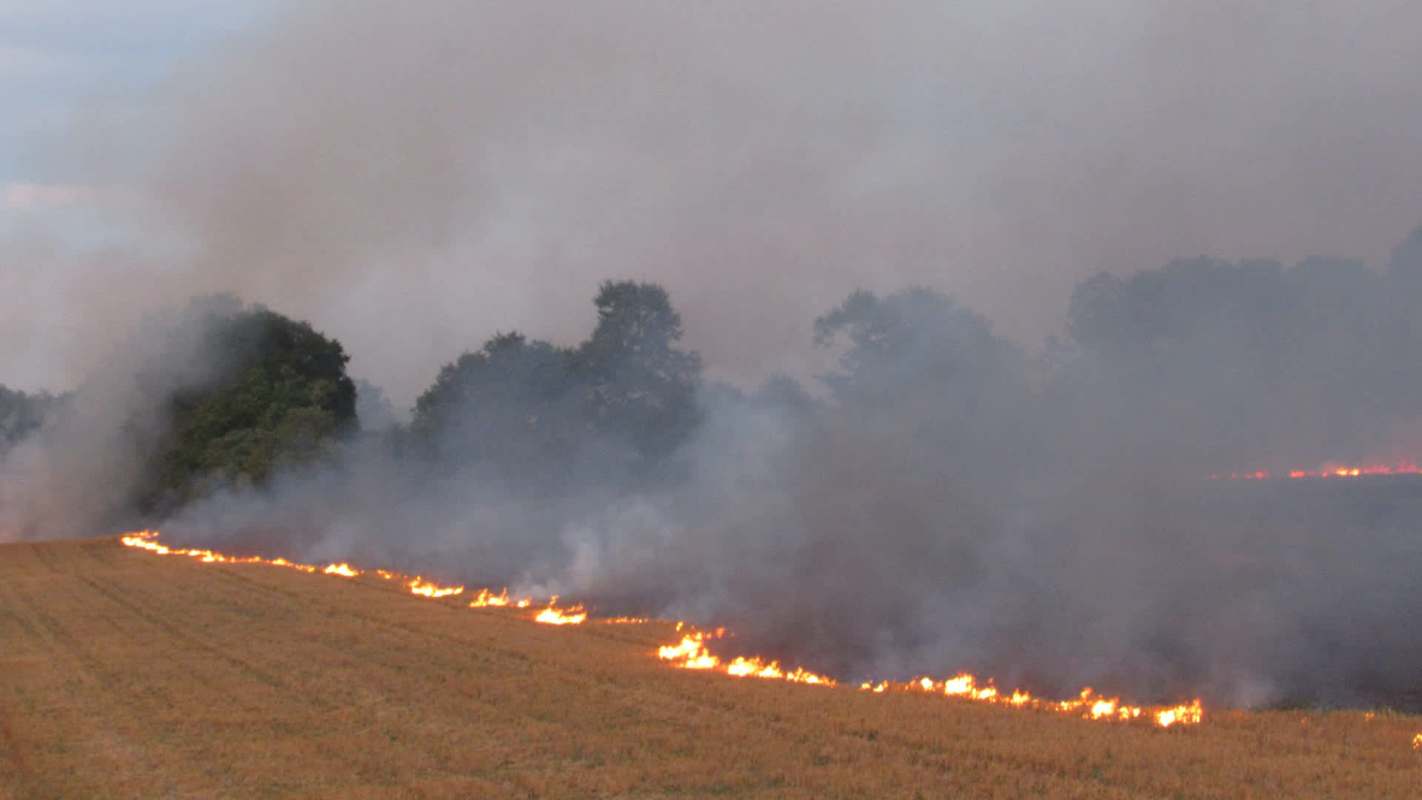
England was supposed to start a wildfire risk program in 2023, but one campaigner says it never took effect. The finding raises new questions about how prepared England is for climate-driven disasters.
Here's what to know
In an Instagram post shared by Guy Shrubsole (@guy.shrubsole) after he linked to a Guardian story dated Oct. 4, Shrubsole said DEFRA had included a wildfire risk program in its National Adaptation Programme for 2023 but never put it into action. He presented the unstarted effort as a major failure in the country's climate adaptation planning.
"I discovered via an FOI request that DEFRA's commitment in the National Adaptation Programme to run a 'wildfire risk programme' since 2023 'was not brought into effect,'" he wrote in the post's caption.
He further wrote that "successive governments have been asleep at the wheel in preparing us for the impacts of the climate crisis." By describing the abandoned program that way, he suggested the issue goes beyond rural land management and speaks to how the government protects people, homes, and infrastructure as extreme weather worsens.
He also linked the issue to staffing. In the post, he referenced a separate finding: Only 20 of DEFRA's 6,600 staff worked on climate adaptation. That figure offers one possible explanation for how a promised program could remain on paper instead of being put into action.
More background
Wildfire preparedness affects communities far beyond moorland regions. When a national risk program never gets off the ground, local residents, farmers, and emergency responders may be left with fewer resources to limit damage before dry conditions turn into active fires.
TCD Picks » Quince Spotlight
💡These best-sellers from Quince deliver affordable, sustainable luxury for all




Shrubsole also wrote that DEFRA "couldn't be bothered to pay attention to wildfire risks until jolted into doing so by Britain burning this summer." In his telling, the problem wasn't simply a lack of warning, but a failure to act even after the 2023 commitment.
The post also points to a wider adaptation gap inside government. If just 20 staff handle climate resilience work in a 6,600-person department, that could slow planning not only for wildfire threats but also for other forms of extreme weather that affect daily life, public safety, and the rural landscapes many communities rely on.
What's being done?
Looking ahead, Shrubsole said Prime Minister Andy Burnham has promised a Wildfire Summit in autumn 2026. He added that the summit "may cover other extreme weather too," suggesting the conversation could extend beyond wildfires.
He also said New Environment Secretary Angela Eagle has an opportunity to "radically rethink how we prepare for climate impacts, by restoring nature." Shrubsole pointed to Eagle's Guardian article, which he described as supportive of rewilding and critical of lobbyists who back moorland burning.
For specific actions, Shrubsole said the summit "must agree a plan to re-wet the U.K.'s peat bogs, restore lost ponds in farmers' fields, and stop grouse moor owners setting fire to moorland." Those proposals focus on land and water management strategies that could help lower fire risk while improving resilience for nearby communities.
Where can I learn more?
These stories examine how wildfire risk is also shaping policy and preparedness far beyond England.
• In California, utilities pursued the least effective way possible to tackle mounting wildfire danger.
• In the United States, officials are allowing logging in over half of national forest land.
• Researchers warn that regions with a temperate climate still need stronger wildfire preparation.

Get TCD's free newsletters for easy tips, smart advice, and a chance to earn $5,000 toward home upgrades. To see more stories like this one, change your Google preferences here.







